(424) 242-1130
Sober Living for Men in Vernon, CA
 Read Reviews
 What to Expect
 Get Local Help
Our Stats


Why Design for Recovery
Choosing a men's sober living program is about more than having a safe place to live. It's about joining a community that encourages accountability, personal growth, and the daily habits that support lasting recovery.
The Foundation Behind Our Program
Structured LivingConsistent routines and clear expectations help create stability and make healthy habits easier to maintain.
Meaningful AccountabilityResidents are encouraged to take ownership of their recovery while receiving guidance from staff and peers.
Recovery-Focused CommunityLiving alongside other men with shared goals creates connection, encouragement, and mutual support throughout recovery.
Growth Through IndependenceEvery step is designed to help residents build confidence, strengthen life skills, and prepare for independent living.
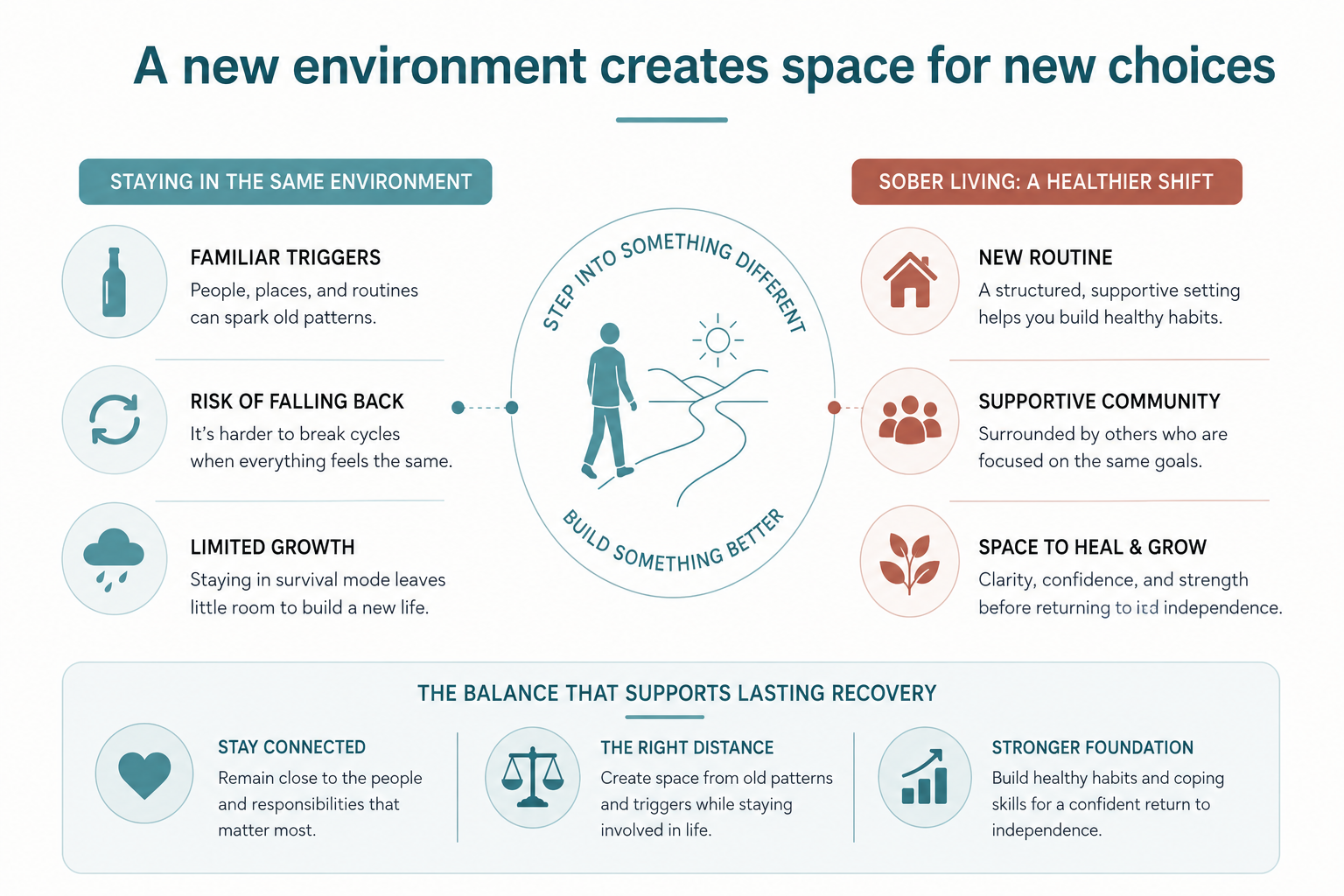
Creating Distance From Everyday Triggers
Early recovery often benefits from stepping away from familiar environments that may have contributed to substance use. A new setting creates space to establish healthier routines while focusing on long-term recovery.
For men coming from Vernon, sober living offers the opportunity to remain connected to work, family, and other responsibilities while building consistency in a structured, recovery-focused community.
Living alongside peers with similar goals provides accountability, encouragement, and the support needed to navigate everyday life with greater confidence.
Take a Look Inside Our Sober Living Homes


The People Behind the Program
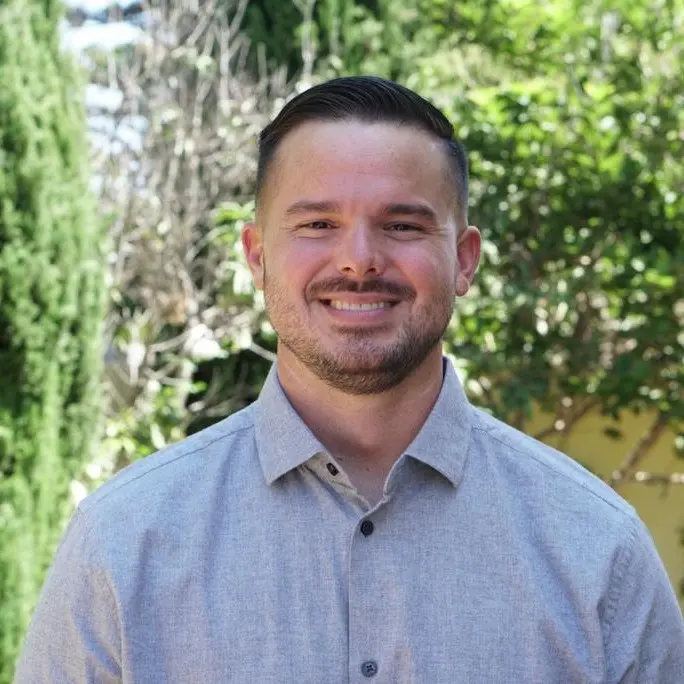
David Beasley
David Beasley is the founder and Program Director of Design for Recovery Sober Living Homes. Drawing from his own recovery experience, he created a structured, recovery-focused environment where men can rebuild their lives through accountability, mentorship, and personal growth.

Matthew McCrystal
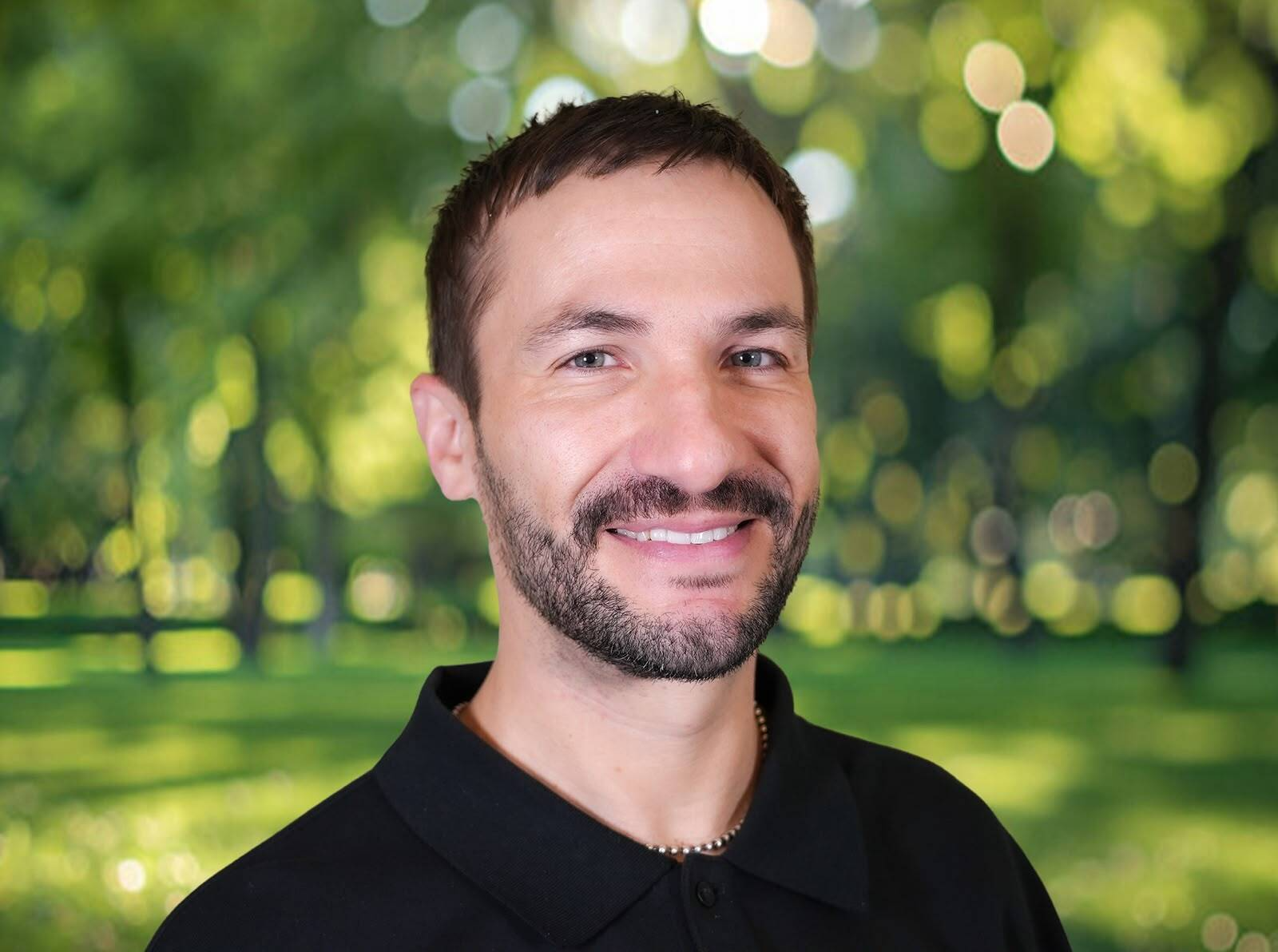
Matthew McCrystal oversees the daily operations of Design for Recovery, helping ensure every residence provides a safe, structured, and supportive environment. He brings both professional leadership and lived recovery experience to his role.
What We Offer

Employment Support
Returning to steady work is often the clearest early marker of recovery taking hold. We help residents with resumes, interview practice, and the job search itself, paired with the daily accountability that keeps things moving.

Life and Recovery Skills
Long-term sobriety depends on the rest of life feeling stable too. Through house structure and peer accountability, residents build practical skills: budgeting, routine, following through on commitments.

12-Step Programming
Our program is built around 12-Step principles. Residents get real support finding a sponsor, showing up to meetings, and living out those values daily, not just when a meeting is happening.

One-on-One Mentoring
In addition to house structure, every resident gets individual mentor time: a space to address what's actually underneath the day-to-day, not just compliance with house rules.

Money Management
Financial instability quietly undoes a lot of early recovery. Residents learn practical money skills here: budgeting, saving, habits meant to hold up long after they leave the house.

Family Services
We understand recovery reaches beyond the resident to the people closest to them. We help families understand what real support looks like right now, and how to stay close without taking control.

Medication Monitoring
For residents managing prescriptions, staying on schedule is critical. We help track medications and keep residents connected to their prescribing clinicians.

Life in Our Sober Living Homes
Life at Design for Recovery combines structure with the flexibility to continue moving forward. Many residents balance recovery with work, outpatient treatment, education, and other personal responsibilities while developing routines that support long-term sobriety.
Daily life includes recovery meetings, shared responsibilities, mentorship, and opportunities to build meaningful connections with peers. These routines help residents develop habits that continue to serve them long after leaving sober living.
Being part of a supportive recovery community also provides encouragement, accountability, and a sense of belonging throughout every stage of the recovery journey.
Explore Our Sober Living Homes
Our Path to Admission
Opening the Conversation
We start by understanding where things stand, whether you're reaching out for yourself or someone else. Our team will talk through what kind of structure and support would genuinely help.
Aligning on Fit
From there, we cover cost, logistics, and what's included, so nothing about the move-in process is a surprise. We work together to identify what matters most: job support, daily accountability, or meeting-based structure.
Moving Forward
Once we've confirmed it's the right fit, we'll walk through what move-in day looks like: meeting housemates, a full house tour, and expectations laid out clearly. Most residents settle in within their first few days.
In Their Own Words
Alumni share what changed for them during their time with Design for Recovery.

Benefits of Being Sober
Long-term recovery is built through consistent habits, supportive relationships, and an environment that encourages positive change every day.
Build Healthy Habits
Develop routines that make it easier to balance work, recovery, personal responsibilities, and self-care.
Stay Accountable
Living alongside peers with shared goals encourages responsibility, encouragement, and continued growth.
Prepare for Independent Living
Build the confidence and practical life skills needed to successfully transition into independent living.
Strengthen Your Support Network
Create lasting relationships with mentors, sponsors, housemates, and the wider recovery community.
Why Choose Sober Living Near Vernon?
Choosing sober living near Vernon allows you to stay connected to work, family, and the communities that matter while recovering in a structured environment. Many residents continue commuting to Vernon, Downtown Los Angeles, Commerce, Huntington Park, and Maywood while building healthier routines that support long-term recovery.
Transportation
Vernon's central location provides convenient access to Interstate 5, Interstate 710, US-101, and CA-60, making it easier to commute to work, outpatient treatment, recovery meetings, and appointments throughout the Los Angeles area.
Cost of Living
While Vernon itself has very little residential housing, the surrounding communities offer a range of living options and employment opportunities. Choosing sober living nearby allows residents to remain close to one of Southern California's largest industrial and employment centers while benefiting from a recovery-focused environment.
Weather
Vernon enjoys Southern California's mild climate, making it easy to stay active year-round. Spending time outdoors, exercising, and maintaining healthy routines can become valuable parts of everyday recovery.
Creating some distance from familiar environments doesn't mean leaving your responsibilities behind. Our homes help residents stay connected to the opportunities and relationships that matter while focusing on lasting sobriety.
Typical Drive from Vernon to Design for Recovery: 20–30 minutes
Community Services That Support Recovery
Recovery is strengthened by having access to the right support systems. Vernon and the surrounding communities offer a variety of services that can help residents continue building stability throughout recovery.
Financial Services
| Wells Fargo Bank | |
| 4580 Pacific Blvd |
Community & Social Services
| Helping Hands Society of Los Angeles | |
| 2360 E 51st St | |
| (323) 589-1922 |

Recovery Support Resources in Vernon
Vernon residents have access to recovery meetings and peer support throughout the surrounding communities, making it easier to stay connected at every stage of recovery.
Local Sober & Fun Spots Near Vernon
Recovery also means creating new routines and finding enjoyable ways to spend your free time. Vernon and the surrounding area offer opportunities to stay active, explore the community, and build healthy habits without alcohol or drugs.
Outdoor Activities
| The Rock Garden Climbing Center | |
| 2450 14th Ave | |
| (236) 426-3333 |
Fitness & Wellness
| Sam Gym | |
| 4458 Pacific Blvd |
Cultural & Social Venues
| Crystal Art Gallery | |
| 4950 S Santa Fe Ave | |
| (323) 581-6617 |
Local Public Health Trends in Vernon
Substance use continues to affect the Vernon community, highlighting the importance of accessible treatment, overdose prevention, and long-term recovery support. These public health trends provide local context while reinforcing why continued structure and community remain so valuable after treatment.
Overdose Deaths
In Vernon, recent reporting shows 1,784 overdose deaths in the most recent reporting period, highlighting why relapse prevention and daily structure continue to matter.
Naloxone Distribution
Public health programs serving Vernon have distributed 22,882 naloxone kits, demonstrating the continued importance of overdose response resources within the community.
Opioid-Related Hospitalizations
The opioid-related hospitalization rate in Vernon is reported at 10.0 per 100k, reflecting how substance use can continue to result in serious medical emergencies.
Recovery Looks Different for Everyone
No two recovery journeys are the same. Some residents arrive after residential treatment, while others are transitioning from detox or looking for additional structure while balancing work, outpatient care, or family responsibilities.
For men from Vernon, sober living provides the opportunity to stay connected to everyday life while building healthier routines in a supportive, recovery-focused community.

Frequently Asked Questions
Yes. Many residents continue commuting to Vernon for work while living in our sober living homes and participating in their recovery program.
No. Our sober living homes are located nearby, allowing residents to remain close to Vernon while benefiting from a structured recovery environment outside of familiar surroundings.
Our homes are within a convenient driving distance of Vernon, making it practical to commute for work, outpatient treatment, family visits, and other important commitments.
Yes. Many residents continue attending therapy, outpatient programs, and medical appointments in Vernon while living in our homes.
Absolutely. Many residents maintain regular contact with loved ones throughout recovery, and healthy family involvement is encouraged whenever appropriate.
Choosing sober living nearby allows you to remain connected to work and your support network while creating healthy distance from routines or environments that may have made recovery more difficult.
Loading Instagram feed...