(424) 242-1130
Sober Living for Men in Pasadena, CA
 Read Reviews
 What to Expect
 Get Local Help
Our Stats


Why Design for Recovery
Choosing a men's sober living program is about more than having a place to live. It's about joining a community that encourages accountability, personal growth, and the daily habits that support lasting recovery.
The Foundation Behind Our Program
Structured LivingConsistent routines and clear expectations help create stability and make healthy habits easier to maintain.
Meaningful AccountabilityResidents are encouraged to take ownership of their recovery while receiving support from staff and peers.
Recovery-Focused CommunityLiving alongside other men working toward similar goals creates connection, encouragement, and mutual support throughout recovery.
Growth Through IndependenceEvery step is designed to help residents strengthen life skills, build confidence, and prepare for independent living.
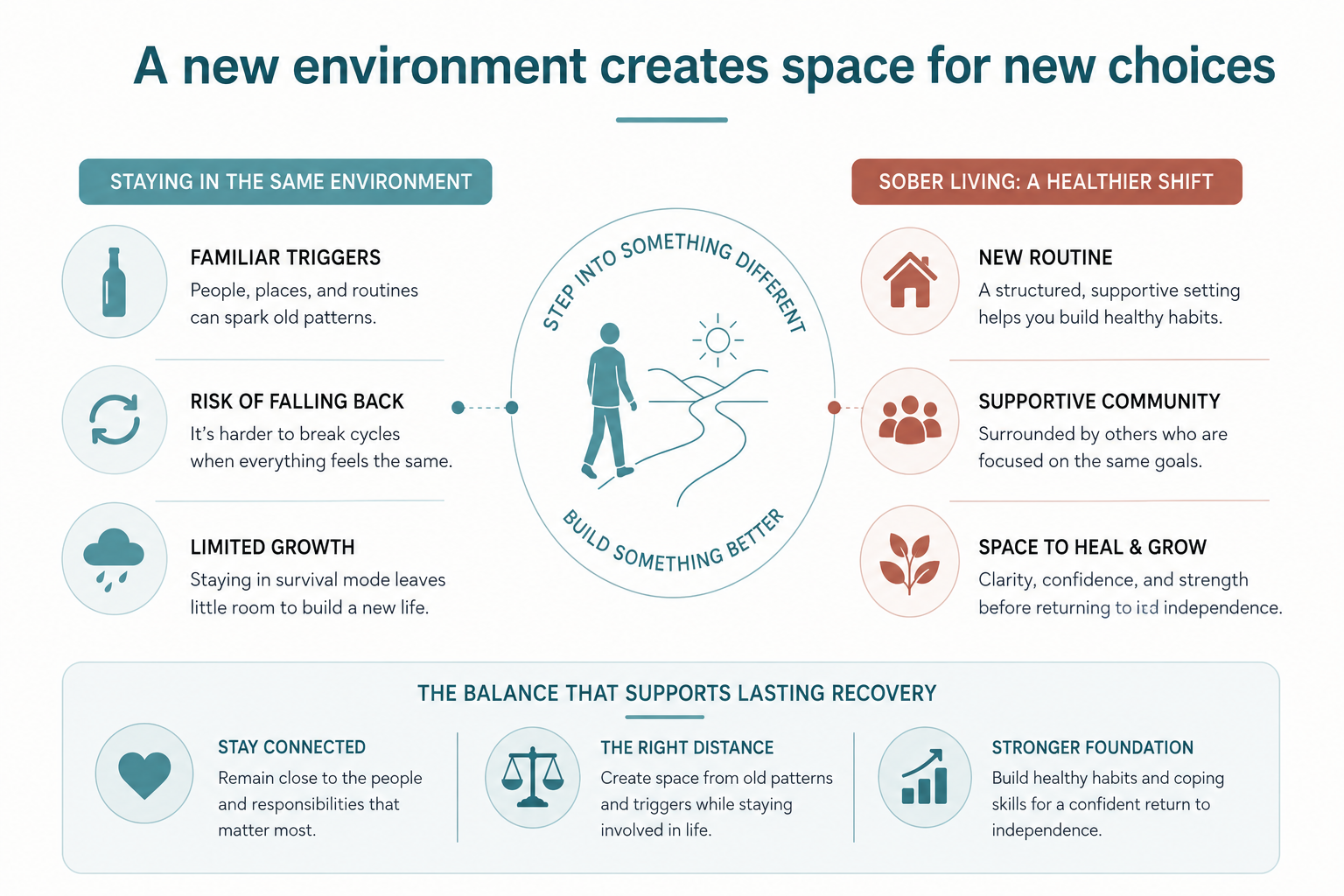
A New Environment Can Create New Possibilities
The people, places, and routines we encounter every day often become closely connected to past behaviors. Changing that environment doesn't erase those experiences, but it can create the space needed to develop healthier habits and approach recovery with a different perspective.
For men from Pasadena, sober living offers the opportunity to remain connected to important responsibilities while stepping into an environment designed to support lasting recovery.
Take a Look Inside Our Sober Living Homes


The People Behind the Program
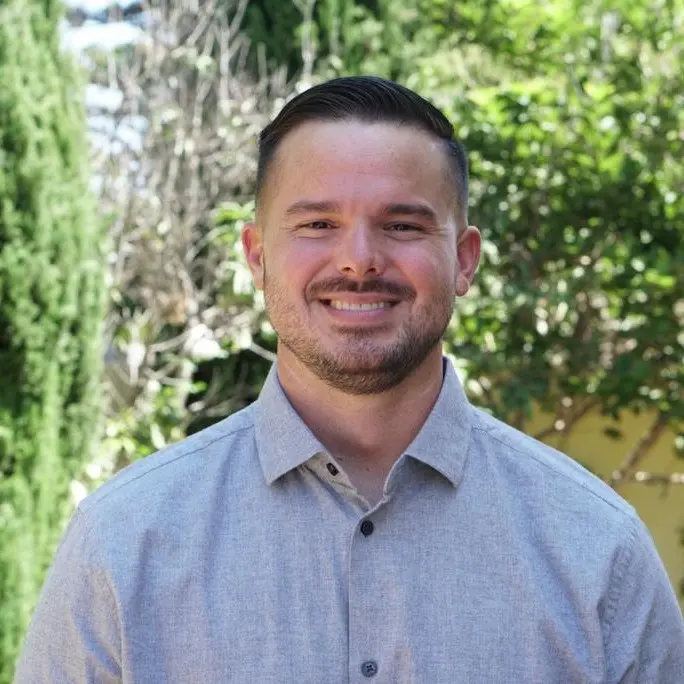
David Beasley
David Beasley is the founder and Program Director of Design for Recovery Sober Living Homes. Drawing from his own recovery experience, he created a structured, recovery-focused environment where men can rebuild their lives through accountability, mentorship, and personal growth.
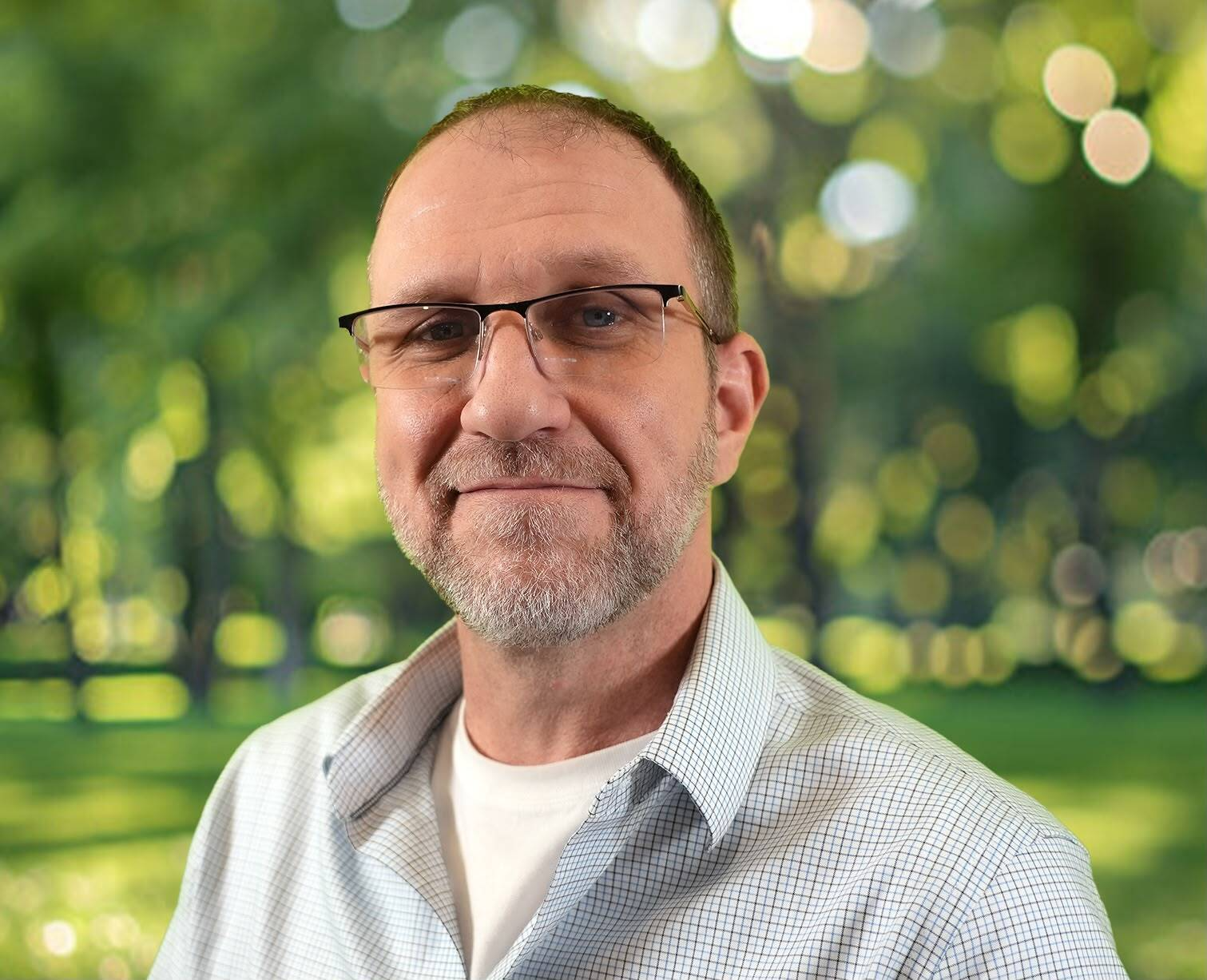
Matthew McCrystal
Matthew McCrystal oversees the daily operations of Design for Recovery, helping ensure every residence provides a safe, structured, and supportive environment. He brings both professional leadership and lived recovery experience to his role.
What We Offer

Employment Support
For many residents, landing steady work again is the clearest early sign that things are turning around. We provide direct support with resumes, interview prep, and the job search itself, paired with daily accountability that keeps momentum from stalling.

Life and Recovery Skills
Long-term sobriety tends to hold up better when daily life feels manageable. Daily house structure and peer accountability help residents build real habits: budgeting, routine, and following through.

12-Step Programming
Our program is grounded in 12-Step principles, and residents get genuine support finding a sponsor, showing up to meetings, and carrying those values into daily life, not just meeting time.

One-on-One Mentoring
Residents also receive individual mentor time, a space to work through what's actually happening beneath the daily routine, not simply whether house rules are being followed.

Money Management
Financial instability quietly undermines a lot of early recovery. We help residents build practical skills here: budgeting, saving, and money habits meant to hold up well past their time in the house.

Family Services
We know recovery touches more than just the resident. We help families understand what genuine support actually looks like right now, and how to stay close without taking over.

Medication Monitoring
Staying consistent matters for residents managing medications. We help track schedules and maintain the connection to their prescribing clinicians so treatment stays uninterrupted.

Life in Our Sober Living Homes
Life in sober living is built around consistency, shared responsibility, and steady progress. Residents learn to navigate everyday challenges while living alongside others who understand both the difficulties and rewards of recovery. Simple moments like preparing meals, maintaining the home, keeping commitments, and supporting one another become opportunities to rebuild confidence and strengthen healthy routines.
As time passes, those daily experiences begin to replace old patterns with new ones. The goal isn't simply to maintain sobriety. It's to develop the habits, discipline, and independence that make long-term recovery sustainable beyond sober living.
Explore Our Sober Living Homes
Walking Through Admissions
Reaching Out to Begin
Before anything else, we want to understand where things stand, whether you're calling for yourself or someone else. Our team will talk through what kind of structure and support would genuinely help.
Determining the Right Fit
From there, we cover cost, logistics, and what's included in the stay, so nothing about move-in is unexpected. We work together to identify what matters most: job support, daily accountability, or meeting-based structure.
Getting Settled
Once it's confirmed as a fit, we walk through exactly what move-in day looks like: meeting housemates, a full tour, expectations laid out clearly. Most residents settle in within their first few days.
In Their Own Words
Alumni share what changed for them during their time with Design for Recovery.

Building a Life That Supports Long-Term Recovery
Recovery is about creating a life that feels worth protecting. Sober living provides the structure, encouragement, and opportunities needed to strengthen your confidence while preparing for life beyond treatment. As progress builds over time, the skills developed inside the home become part of everyday life.
Establish Stability Before Living Independently
Sober living creates a transitional environment where residents can regain confidence while adjusting to everyday responsibilities at a sustainable pace.
Practice Recovery in Everyday Situations
Real progress happens outside of therapy sessions. Managing schedules, keeping commitments, communicating with others, and working through challenges all become opportunities to reinforce recovery in daily life.
Discover a Renewed Sense of Purpose
Early recovery creates space to reconnect with personal goals that may have been placed on hold. Residents often return to school, advance their careers, rebuild relationships, or explore new interests while creating a healthier future.
Leave With More Than Sobriety
The goal isn't simply to stop using substances. It's to leave with stronger decision-making skills, healthier relationships, greater self-confidence, and a foundation that supports lasting recovery long after sober living ends.
Why Choose Sober Living Near Pasadena?
Choosing sober living near Pasadena makes it possible to stay connected to your career, education, family, and ongoing treatment while recovering in a structured environment. The location offers convenient access to daily responsibilities without sacrificing the stability and accountability that support long-term recovery.
Transportation
Pasadena is served by Interstate 210, State Route 134, Interstate 110, and the Metro A Line, providing convenient connections throughout the San Gabriel Valley and greater Los Angeles. Local Metro and Foothill Transit services also make commuting to work, appointments, and recovery meetings accessible.
Cost of Living
Pasadena's cost of living is significantly above the national average, with housing representing the largest household expense. Its historic neighborhoods, thriving business district, and desirable location continue to make Pasadena one of the most sought-after communities in the region.
Weather
Pasadena experiences warm summers, mild winters, and abundant sunshine throughout much of the year. The pleasant climate makes parks, hiking trails, and outdoor recreation accessible across every season.
Typical Drive from Pasadena to Design for Recovery: 35–45 minutes approx (depending on traffic)
Community Services That Support Recovery
Recovery often extends beyond sober living itself. Pasadena offers a wide range of healthcare providers, educational institutions, workforce development programs, financial resources, and community organizations that can help support long-term stability.
Employment Resources
| Foothill Workforce Development Board | |
| 1207 E Green St, Pasadena, CA 91106 | |
| (626) 796-5627 |
Financial Services
| Chase Bank | |
| 860 E Colorado Blvd, Pasadena, CA 91101 | |
| (626) 795-5177 |
Community & Social Services
| Saint Andrew Catholic Church - Food Distribution Center | |
| 140 Chestnut St, Pasadena, CA 91103 | |
| (626) 792-4183 |

Recovery Support Resources in Pasadena
Pasadena has an active recovery community with access to peer support meetings and organizations that help individuals stay connected throughout every stage of recovery.
Local Sober & Fun Spots Near Pasadena
Recovery also creates opportunities to reconnect with interests that support a healthier lifestyle. Pasadena offers scenic outdoor spaces, museums, community events, local cafés, and cultural attractions that make it easy to enjoy meaningful experiences without alcohol or drugs.
Outdoor Activities
| The Post Climbing | |
| 1100 N Fair Oaks Ave, Pasadena, CA 91103 | |
| (626) 989-0121 |
Entertainment & Recreation
| Regal Paseo | |
| 300 E Colorado Blvd Ste 271, Pasadena, CA 91101 | |
| (844) 462-7342 |
Cultural & Social Venues
| Pasadena Public Library-Central Library | |
| 285 E Walnut St, Pasadena, CA 91101 | |
| (626) 744-4066 |
Local Public Health Trends in Pasadena
Substance use continues to affect the Pasadena community, highlighting the importance of accessible treatment, overdose prevention, and long-term recovery support. These public health trends provide local context while reinforcing why continued structure and community remain so valuable after treatment.
Overdose Deaths
In Pasadena, recent reporting shows 1,784 overdose deaths in the most recent reporting period. These figures highlight the ongoing impact of substance use within the community and reinforce the importance of timely treatment, relapse prevention, and continued recovery support.
Naloxone Distribution
Public health programs serving Pasadena have distributed 22,882 naloxone kits, reflecting continued efforts to reduce overdose-related deaths and expand access to life-saving resources. Widespread availability of naloxone remains an important part of the community's overdose prevention strategy.
Opioid-Related Hospitalizations
The opioid-related hospitalization rate in Pasadena is reported at 10.0 per 100k, demonstrating the continued need for accessible treatment and ongoing recovery services. These hospitalizations underscore the importance of early intervention and long-term support for individuals affected by opioid use.
Invest in the Life You Want to Build
Recovery creates the opportunity to rebuild your health, strengthen your relationships, and move toward a more stable future. If you're ready to take the next step, our admissions team is here to answer your questions and help you explore your options.

Frequently Asked Questions About Sober Living in Pasadena
Many people choose sober living after residential treatment because it provides additional structure while they adjust to everyday responsibilities. This transition can help reinforce the progress made during treatment before returning to completely independent living.
Yes. Many residents continue their education while living in sober housing. A structured living environment can make it easier to balance academic responsibilities with recovery and personal commitments.
Yes. Pasadena offers a variety of Alcoholics Anonymous, Narcotics Anonymous, SMART Recovery, and other peer support meetings throughout the city, giving residents opportunities to stay connected outside the home.
Our sober living homes are within a reasonable driving distance of Pasadena, making it possible to commute to work, school, family visits, and outpatient appointments while living in a recovery-focused environment.
Creating some distance from familiar surroundings can help reduce exposure to people, places, and routines associated with past substance use while still allowing individuals to remain connected to important parts of their lives.
A quality sober living home should provide clear expectations, experienced leadership, peer accountability, a supportive recovery community, and an environment that encourages long-term personal growth rather than simply offering a place to live.
Loading Instagram feed...