(424) 242-1130
Sober Living Home for Men in Alhambra, California
 Read Reviews
 What to Expect
 Get Local Help
Our Stats


Why Design for Recovery
Choosing a men's sober living program is about more than finding a place to stay. It's about joining a community that encourages accountability, personal growth, and the daily habits that support lasting recovery.
The Foundation Behind Our Program
Structured LivingConsistent routines and clear expectations help create stability and make healthy habits easier to maintain.
Meaningful AccountabilityResidents are encouraged to take ownership of their recovery while receiving support from staff and peers.
Recovery-Focused CommunityLiving alongside other men working toward similar goals creates connection, encouragement, and mutual support throughout recovery.
Growth Through IndependenceEvery step is designed to help residents strengthen life skills, build confidence, and prepare for independent living.
A Place to Focus on What's Next
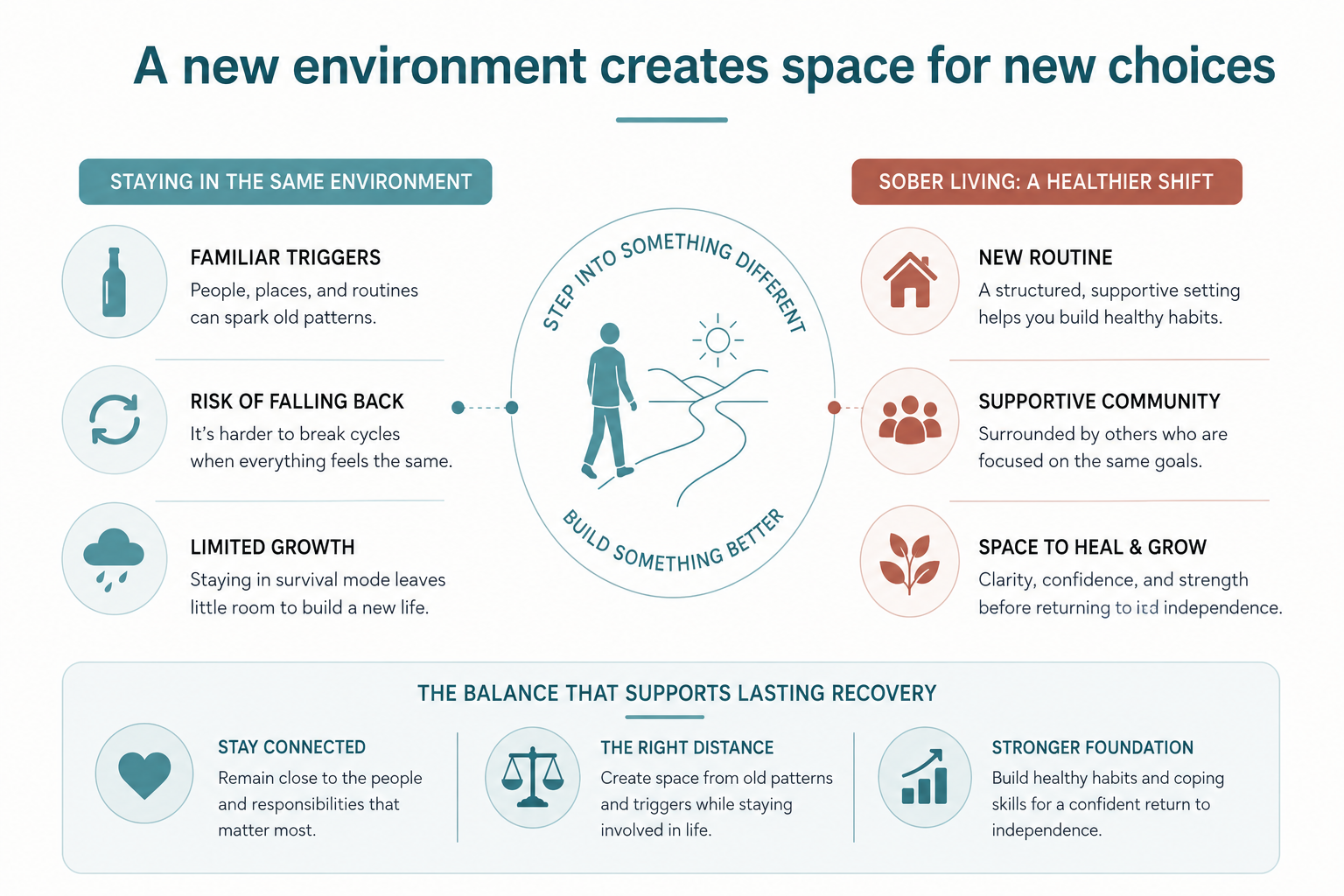
Recovery often becomes more manageable when you're in an environment designed to support positive change. A structured sober living home offers the consistency and accountability that help transform daily progress into long-term success.
For men from Alhambra, Design for Recovery provides a place to continue moving forward while staying connected to the people and responsibilities that matter most.
Take a Look Inside Our Sober Living Homes


The People Behind the Program
David Beasley
David Beasley is the founder and Program Director of Design for Recovery Sober Living Homes. Drawing from his own recovery experience, he created a structured, recovery-focused environment where men can rebuild their lives through accountability, mentorship, and personal growth.

Matthew McCrystal
Matthew McCrystal oversees the daily operations of Design for Recovery, helping ensure every residence provides a safe, structured, and supportive environment. He brings both professional leadership and lived recovery experience to his role.
What We Offer

Employment Support
Returning to steady work is frequently the first tangible marker of recovery progress. Residents get direct support with resumes, interview practice, and the job search itself, backed by daily accountability that keeps momentum going.

Life and Recovery Skills
The habits behind lasting sobriety (routine, follow-through, financial responsibility) take shape through daily house structure and the accountability that comes from living alongside other residents.

12-Step Programming
Our program is built on 12-Step principles. We support residents in finding a sponsor, attending meetings consistently, and applying those values well beyond the meetings themselves.

One-on-One Mentoring
Each resident also receives individual mentorship, dedicated time to address what's actually happening beneath the daily routine, not just whether expectations are being met.

Money Management
Financial instability is frequently an underestimated relapse risk. We help residents build practical money skills: budgeting, saving, and habits that continue serving them after they've left the house.

Family Services
Recovery affects the whole family, not just the individual resident. We work with families to clarify what genuine support looks like right now, and how to stay involved without becoming overbearing.

Medication Monitoring
For residents managing prescriptions, consistency is essential. We help maintain medication schedules and keep residents connected with their prescribing clinicians.

Life in Our Sober Living Homes
Life at Design for Recovery combines structure with the flexibility to continue moving forward. Residents often balance recovery with work, school, outpatient treatment, and personal goals while developing routines that support lasting sobriety.
Each day includes recovery meetings, mentorship, shared responsibilities, and opportunities to build meaningful relationships with peers who understand the challenges of early recovery. These experiences help residents develop confidence, consistency, and the skills needed for independent living.
Explore Our Sober Living Homes
Our Admissions Approach
Making First Contact
Before anything else, we want to understand where things stand, whether you're calling for yourself or someone else. We'll talk through what kind of support and structure would actually help.
Figuring Out the Fit
Next, we cover cost, logistics, and what your stay includes, so nothing is a surprise before move-in. We work together to determine what actually matters: job support, daily accountability, or meeting-based structure.
Moving In and Settling
Once it's clear this is the right fit, we walk through what move-in day looks like: housemates, a house tour, and expectations laid out clearly. Most residents adjust within their first few days.
In Their Own Words
Alumni share what changed for them during their time with Design for Recovery.

Building a Stronger Tomorrow
Recovery is about creating a life that feels stable, meaningful, and sustainable. With the right environment and support, everyday progress can lead to lasting personal growth.
Build Healthy Habits
Small daily routines, from maintaining a consistent schedule to prioritizing healthy choices, help create the stability needed for lasting recovery.
Stay Accountable
Being surrounded by peers who share similar goals encourages honest conversations, personal responsibility, and continued progress.
Prepare for Independent Living
Practice managing everyday responsibilities with greater confidence before transitioning back to living on your own.
Strengthen Your Support Network
Develop relationships with mentors, sponsors, and fellow residents while strengthening healthy connections outside the home.
Why Choose Sober Living Near Alhambra?
Choosing sober living near Alhambra allows you to stay connected to work, family, and everyday responsibilities while benefiting from the structure of a recovery-focused environment. Many residents continue balancing their personal commitments while building healthier routines that support long-term sobriety.
Transportation
Alhambra is well connected by Interstate 10, Interstate 710, Fremont Avenue, Garfield Avenue, and Main Street. Metro and Foothill Transit bus routes also provide convenient transportation throughout the San Gabriel Valley and greater Los Angeles area.
Cost of Living
Alhambra's cost of living is above the national average, with housing representing the largest household expense. Its central location, established neighborhoods, and access to employment and education continue to make it one of the more desirable communities in the San Gabriel Valley.
Weather
Alhambra experiences warm, dry summers and mild winters with abundant sunshine throughout much of the year. The comfortable climate makes it easy to enjoy parks, walking trails, and other outdoor activities year-round.
Typical Drive from Alhambra to Design for Recovery: 30–40 minutes (depending on traffic)
Community Services That Support Recovery
Recovery extends beyond sober living. Alhambra offers a variety of community resources that support healthcare, education, employment, financial stability, and other essential needs throughout the recovery journey.
Financial Services
| Chase Bank | |
| 2121 W Main St Ste 400, Alhambra, CA 91801 | |
| (626) 289-3244 |

Recovery Support Resources in Alhambra
Alhambra residents have access to recovery meetings, peer support groups, and community organizations that help individuals stay engaged throughout every stage of recovery.
Local Sober & Fun Spots Near Alhambra
Recovery is also about rediscovering the enjoyment of everyday life. Alhambra offers green spaces, cultural attractions, community events, and recreational activities that encourage healthy ways to spend your free time.
Outdoor Activities
| Almansor Park | |
| 800 S Almansor St, Alhambra, CA 91801 | |
| (626) 570-5052 |
Fitness & Wellness
| Planet Fitness | |
| 610 E Valley Blvd, Alhambra, CA 91801 | |
| (626) 576-8800 |
Entertainment & Recreation
| Sky Zone Trampoline Park | |
| 1021 S Meridian Ave, Alhambra, CA 91803 | |
| (626) 546-1616 |
Cultural & Social Venues
| Joslyn Adult Recreation Center | |
| 210 N Chapel Ave, Alhambra, CA 91801 | |
| (626) 570-5056 |
Local Public Health Trends in Alhambra
Substance use continues to affect the Alhambra community, highlighting the importance of accessible treatment, overdose prevention, and long-term recovery support. These public health trends provide local context while reinforcing why continued structure and community remain so valuable after treatment.
Overdose Deaths
In Alhambra, recent reporting shows 1,784 overdose deaths in the most recent reporting period. These figures highlight the ongoing impact of substance use within the community and reinforce the importance of timely treatment, relapse prevention, and continued recovery support.
Naloxone Distribution
Public health programs serving Alhambra have distributed 22,882 naloxone kits, reflecting continued efforts to reduce overdose-related deaths and expand access to life-saving resources. Widespread availability of naloxone remains an important part of the community's overdose prevention strategy.
Opioid-Related Hospitalizations
The opioid-related hospitalization rate in Alhambra is reported at 10.0 per 100k, demonstrating the continued need for accessible treatment and ongoing recovery services. These hospitalizations underscore the importance of early intervention and long-term support for individuals affected by opioid use.
Recovery Starts With One Decision
Beginning recovery doesn't require having everything figured out. It starts with choosing an environment that supports your goals and gives you the opportunity to move forward with confidence. Our admissions team is here to answer your questions and help you explore whether Design for Recovery is the right next step.

Frequently Asked Questions About Sober Living in Alhambra
Many people find that moving directly from treatment back into everyday life can be challenging. Sober living provides a structured environment where residents can continue building healthy routines, strengthen their recovery skills, and gain confidence before transitioning to fully independent living.
Yes. Many residents continue attending college, vocational programs, or other educational opportunities while living in sober housing. Our structured environment is designed to help residents balance academics with recovery, personal responsibilities, and daily routines.
Yes. Alhambra has access to Alcoholics Anonymous, Narcotics Anonymous, SMART Recovery, and other recovery resources. Many residents continue participating in local meetings while also building connections within the Design for Recovery community.
For many people, yes. Living near Alhambra allows residents to maintain healthy family relationships while creating enough separation to establish new routines and focus on their recovery in a structured environment.
Our sober living homes are located within a reasonable driving distance of Alhambra, making it possible to stay connected to work, family, school, and outpatient treatment while benefiting from the structure and accountability of sober living.
Look for a home that offers more than just housing. A strong sober living program should provide clear expectations, peer accountability, experienced staff, recovery support, and an environment that encourages personal growth and long-term sobriety.
Loading Instagram feed...