(424) 242-1130
Sober Living for Men in Monterey Park, California
 Read Reviews
 What to Expect
 Get Local Help
Our Stats


Why Design for Recovery
Choosing a men's sober living program at Design for Recovery is about more than finding a place to stay. It's about joining a community that encourages accountability, personal growth, and the daily habits that support long-term recovery.
The Foundation Behind Our Program
Structured LivingConsistent routines and clear expectations help create stability and make healthy habits easier to maintain.
Meaningful AccountabilityResidents are encouraged to take ownership of their recovery while receiving support from staff and peers.
Recovery-Focused CommunityLiving alongside other men working toward similar goals creates connection, encouragement, and mutual support throughout recovery.
Growth Through IndependenceEvery step is designed to help residents strengthen life skills, build confidence, and prepare for independent living.
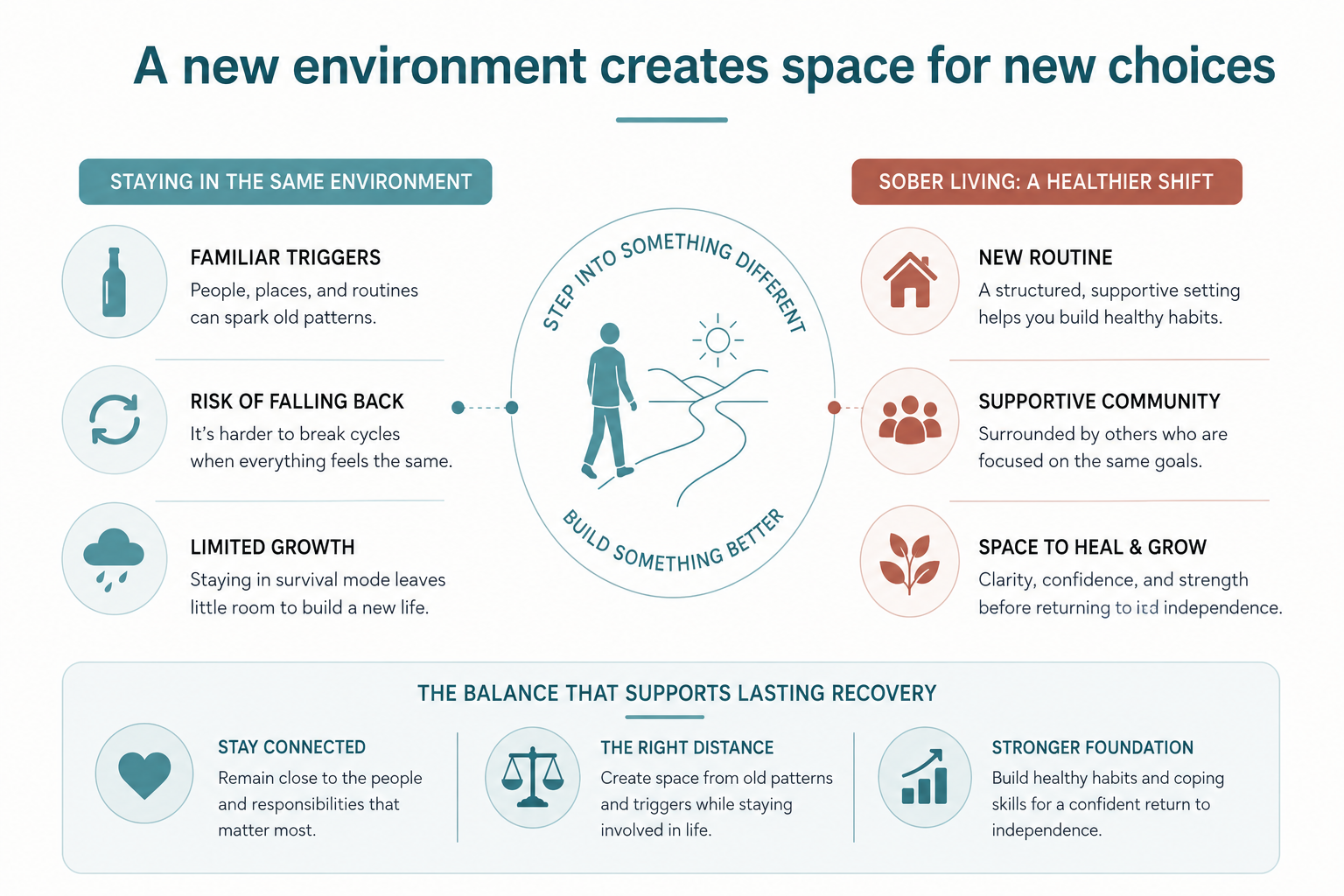
A Fresh Environment for Lasting Recovery
Changing your environment can create the space needed to build healthier routines and focus on recovery without the distractions of familiar habits. A structured sober living home provides the consistency and accountability that help support long-term success.
For men from Monterey Park, Design for Recovery offers the opportunity to remain connected to everyday responsibilities while building a stronger foundation for the future.
Take a Look Inside Our Sober Living Homes


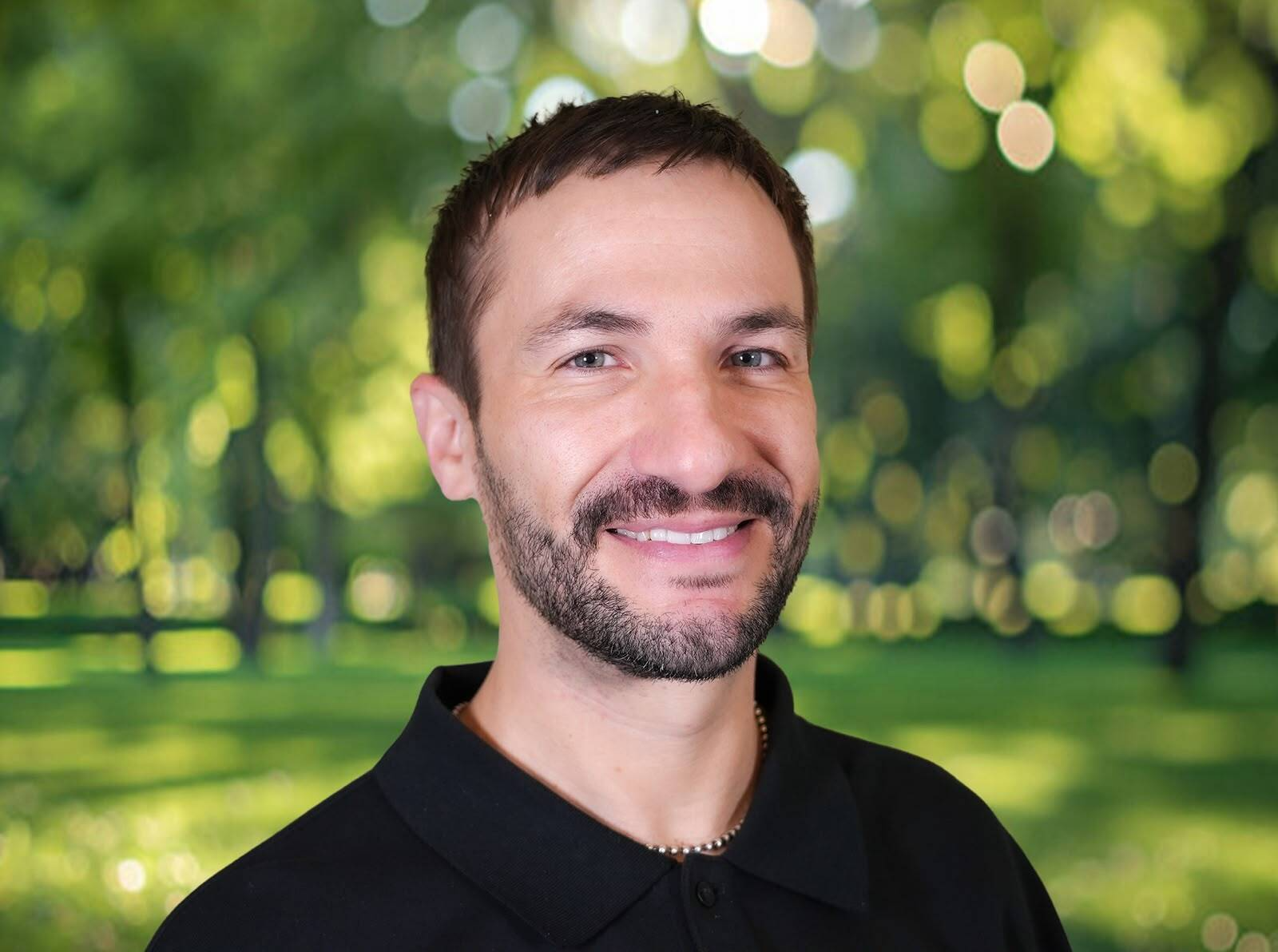
The People Behind the Program
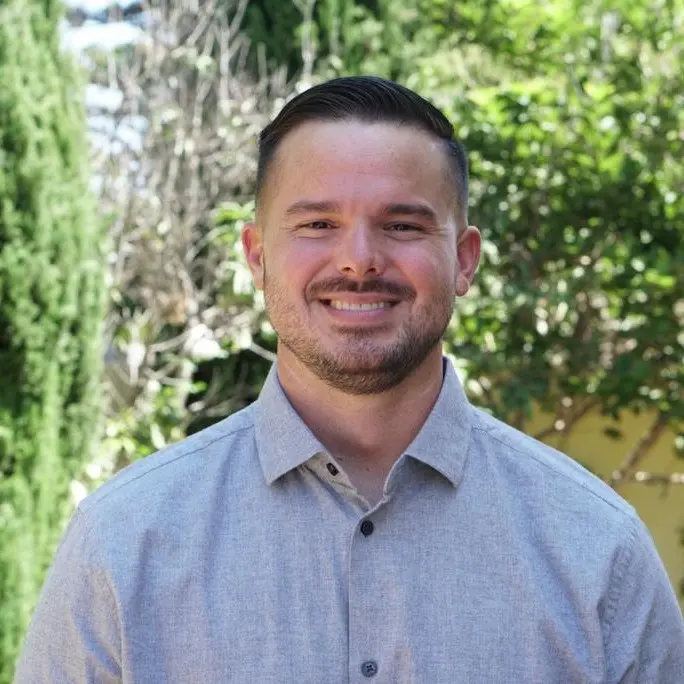
David Beasley
David Beasley is the founder and Program Director of Design for Recovery Sober Living Homes. Drawing from his own recovery experience, he created a structured, recovery-focused environment where men can rebuild their lives through accountability, mentorship, and personal growth.
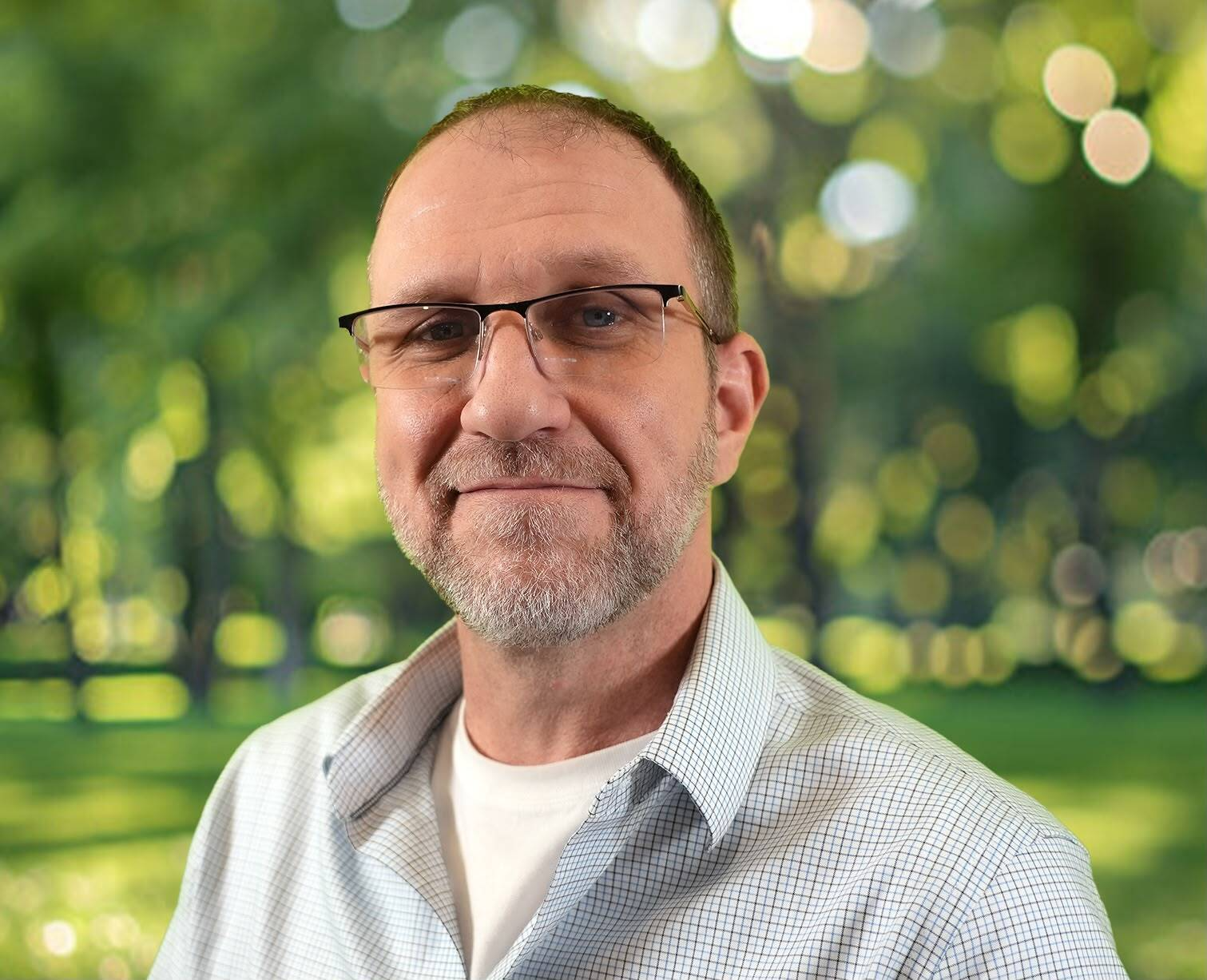
Matthew McCrystal
Matthew McCrystal oversees the daily operations of Design for Recovery, helping ensure every residence provides a safe, structured, and supportive environment. He brings both professional leadership and lived recovery experience to his role.
What We Offer

Employment Support
Getting back into the workforce is often the first tangible sign of progress. Residents receive direct help with resumes, interviews, and job searching, along with the everyday accountability that turns effort into results.

Life and Recovery Skills
The habits that support long-term sobriety (routine, follow-through, financial responsibility) get built through daily structure and the accountability that comes from living alongside other residents.

12-Step Programming
Our program is grounded in 12-Step principles. We support residents in attending meetings, connecting with a sponsor, and applying those values beyond just the meetings themselves.

One-on-One Mentoring
Each resident receives individual mentorship, time set aside to address what's actually happening beneath the daily routine, not simply whether expectations are being met.

Money Management
Financial instability is often an underestimated relapse trigger. We help residents build practical money skills: budgeting, saving, and habits that continue to serve them after they've left the house.

Family Services
Recovery affects the whole family, not just the individual. We work with families to clarify what helpful support looks like right now, and how to stay involved without becoming overbearing.

Medication Monitoring
For residents managing prescriptions, consistency is essential. We help maintain medication schedules and keep residents connected with their prescribing clinicians.

Life in Our Sober Living Homes
Life at Design for Recovery combines structure with the flexibility to continue moving forward. Residents often balance recovery with work, school, outpatient treatment, and personal goals while developing routines that support lasting sobriety.
Each day includes recovery meetings, shared responsibilities, mentorship, and opportunities to build meaningful relationships with peers who understand the challenges of early recovery.
Explore Our Sober Living Homes
Our Admissions Process
Making Contact
Before anything else, our team wants to understand where things stand, whether you're calling for yourself or someone else. We'll talk through what kind of support and structure would actually help.
Determining Fit
Next, we cover cost, logistics, and what your stay includes, so nothing is a surprise before move-in. We work together to figure out what actually matters: job support, daily accountability, or meeting-based structure.
Settling In
Once it's clear this is the right fit, we walk through what move-in day looks like: housemates, a house tour, and expectations laid out clearly. Most residents adjust within the first few days.
In Their Own Words
Alumni share what changed for them during their time with Design for Recovery.

Recovery Opens the Door to New Possibilities
Recovery is about more than leaving substance use behind. It's an opportunity to build healthier routines, stronger relationships, and greater confidence for the future.
Build Healthy Habits
Develop routines that support recovery while balancing work, personal responsibilities, and self-care.
Stay Accountable
Living alongside peers with shared goals encourages responsibility, support, and continued growth.
Prepare for Independent Living
Build the confidence and life skills needed to transition successfully into independent living.
Strengthen Your Support Network
Create lasting relationships with mentors, sponsors, housemates, and the broader recovery community.
Why Choose Sober Living Near Monterey Park?
Choosing sober living near Monterey Park allows you to stay connected to work, family, and the community you've built while recovering in a structured environment. Many residents continue managing their everyday responsibilities while benefiting from the accountability and support of sober living.
Transportation
Monterey Park offers convenient access to Interstate 10, State Route 60, Interstate 710, and major local corridors like Atlantic Boulevard and Garfield Avenue, making it easy to travel to work, outpatient appointments, recovery meetings, and family commitments.
Cost of Living
Monterey Park's cost of living is higher than the national average, with housing making up a significant portion of everyday expenses.
Weather
With Southern California's mild climate, it's easy to enjoy outdoor activities throughout the year. Spending time outside, staying active, and maintaining healthy routines can become an important part of everyday recovery.
Our homes provide the opportunity to focus on recovery while staying connected to the people, places, and responsibilities that matter most.
Typical Drive from Monterey Park to Design for Recovery: 30-40 minutes approx
Community Services That Support Recovery
Recovery extends beyond sober living. Monterey Park offers a variety of community services that can help support stability, independence, and long-term wellness.
Pharmacy
| Monterey Park Pro Pharmacy | |
| 850 S Atlantic Blvd Unit 100, Monterey Park, CA 91754 | |
| (626) 308-9227 |
Public Safety
| Monterey Park Police Department | |
| 320 W Newmark Ave, Monterey Park, CA 91754 | |
| (626) 573-1311 |
Financial Services
| Chase Bank | |
| 459 S Atlantic Blvd, Monterey Park, CA 91754 | |
| (626) 576-7081 |

Recovery Support Resources in Monterey Park
Monterey Park residents have access to recovery meetings and peer support throughout the community, helping individuals stay connected throughout every stage of recovery.
Local Sober & Fun Spots Near Monterey Park
Recovery also means finding new ways to enjoy your free time. Monterey Park offers plenty of opportunities to stay active, connect with the community, and build healthy routines without alcohol or drugs.
Entertainment & Recreation
| Neofuns Arcade | |
| 500 N Atlantic Blvd #162, Monterey Park, CA 91754 | |
| (626) 215-7090 |
Cultural & Social Venues
| Barnes Park Community Center | |
| 440 S Mc Pherrin Ave, Monterey Park, CA 91754 | |
| (626) 307-1393 |
Local Public Health Trends in Monterey Park
Substance use continues to affect the Monterey Park community, highlighting the importance of accessible treatment, overdose prevention, and long-term recovery support. These public health trends provide local context while reinforcing why continued structure and community remain so valuable after treatment.
Overdose Deaths
In Monterey Park, recent reporting shows 1,784 overdose deaths in the most recent reporting period, highlighting why relapse prevention and daily structure continue to matter.
Naloxone Distribution
Public health programs serving Monterey Park have distributed 22,882 naloxone kits, demonstrating the continued importance of overdose response resources within the community.
Opioid-Related Hospitalizations
The opioid-related hospitalization rate in Monterey Park is reported at 10.0 per 100k, reflecting how substance use can continue to result in serious medical emergencies.
Build a Stronger Future, One Step at a Time
Taking the first step toward recovery can feel overwhelming, but you don't have to do it alone. At Design for Recovery, you'll find a structured community that supports your progress while helping you stay connected to the life you've built in Monterey Park.
Whether you're exploring sober living for yourself or someone you care about, our team is here to answer your questions and help you understand your next steps.

Frequently Asked Questions About Sober Living in Monterey Park
For many people, stepping into a structured recovery environment creates healthy distance from familiar routines while providing the accountability and support that can be difficult to maintain at home.
Yes. Many residents continue their education while living in our homes. A structured environment can make it easier to balance classes, recovery meetings, and personal responsibilities.
Yes. Residents often continue working, attending school, participating in outpatient treatment, and managing other commitments while living in our sober living homes.
A new environment can help reduce exposure to familiar triggers while giving you the opportunity to establish healthier habits in a community focused on recovery.
Our admissions team will take the time to understand your situation, answer your questions, and help you determine whether our program aligns with your recovery goals.
Loading Instagram feed...