(424) 242-1130
Searching for men's sober living near me usually starts with a simple question: Where can I live that will actually support my recovery?
The answer is about more than a bed. A good sober living environment should provide structure without feeling like treatment, encourage accountability without creating unnecessary pressure, and give residents room to start rebuilding everyday life.
Design for Recovery provides sober living for men in Los Angeles, with a recovery-focused environment built around structure, peer support, house meetings, employment support, life skills, and a strong 12-Step foundation. Our four homes across Los Angeles offer men different residential settings to consider.
Not Sure If Sober Living Is Right for You?
Talk with our team about your situation and explore your options.
Why Choose a Men's Sober Living House?
A men-only home is not simply a marketing label. It changes who shares the space, how residents relate to one another, and the kind of community that develops inside the house.
For some men, living with other men in recovery creates a more focused environment for working on sobriety and rebuilding routines. There is also a practical benefit to having peers who understand the challenges of early recovery and the responsibilities that come with sober living.
At Design for Recovery, the focus is on creating a structured, substance-free community where men can work, attend recovery meetings, take on household responsibilities, and develop greater independence.
What that looks like
- Recovery stays part of everyday life: Residents participate in recovery and live alongside peers working toward similar goals.
- Accountability is shared: House meetings, responsibilities, and peer support help make recovery a community experience.
- Life continues outside the house: Work, education, relationships, money management, and personal responsibilities remain part of the process.
- The environment stays focused: We provide non-clinical sober living support rather than detox or residential treatment.
The result is a place designed to help men move from simply getting through recovery toward building a stable everyday routine.
Four Houses, Four Ways to Find Your Fit
One of the biggest decisions is not simply which sober living company to choose. It is which house makes sense for you.
We operate four men's sober living homes in Los Angeles: Mar Vista, Playa Del Rey, Central Los Angeles, and Westside LA. Each gives residents access to the same broader recovery-focused approach while offering a different neighborhood setting.
Design For Recovery - The Mar Vista House

A structured sober living environment in a residential Los Angeles neighborhood.
Details
| Location | Nearby | Best suited for |
| Mar Vista | Mar Vista Recreation Center, local shops, restaurants, and everyday services | Men who want a residential Mar Vista setting with everyday amenities nearby |
Design For Recovery - The Playa Del Rey House

A quieter coastal setting for men who want sober living near the beach while remaining connected to the wider Los Angeles recovery community.
Details
| Location | Nearby | Best suited for |
| Playa Del Rey | Beach, parks, local restaurants, grocery and everyday services | Men who prefer a coastal, quieter environment |
Design For Recovery - The Jefferson House

The Jefferson House offers another option for men who want a Central Los Angeles location alongside a structured recovery environment.
Details
| Location | Nearby | Best suited for |
| Central Los Angeles | Grocery, restaurants, public transportation, and everyday city amenities | Men whose work, school, or daily routine fits Central LA |
Design For Recovery - The Westside House
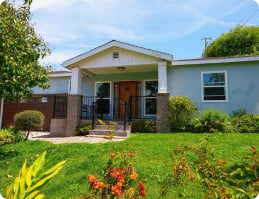
A Westside option for men looking for structured sober living with access to the surrounding Los Angeles community.
Details
| Location | Nearby | Best suited for |
| Westside LA | Grocery, restaurants, parks, recovery resources, and everyday services | Men who want a Westside location with access to work and recovery resources |
Want to See the Homes for Yourself?
Schedule a tour and get a closer look at our sober living homes, their surroundings, and what everyday life can look like.
What Does a Week at Design for Recovery Actually Look Like?
Sober living works best when recovery becomes part of everyday life, not something separate from it.
At Design for Recovery, residents build their week around recovery, work, responsibilities, and life outside the house. The exact schedule can vary, but the overall goal is consistency.
A Typical Week Includes
- Recovery: 12-Step meetings, regular recovery participation, and time with other men who are also working to maintain sobriety and strengthen their recovery.
- Work & School: Residents can continue working, attending school, pursuing career goals, and developing a routine that supports greater stability and independence.
- House Life: House meetings, chores, shared responsibilities, and everyday expectations help residents stay accountable while learning how to contribute to a shared living environment.
- Life Skills: Money management, personal responsibility, organization, decision-making, and other practical skills help residents become more confident managing everyday life.
- Community: Living alongside other men in recovery creates opportunities for connection, encouragement, shared experiences, and accountability throughout the week.
What Should You Compare Before Choosing a Men's Sober Living Home?
When searching for men's sober living near me, the room itself is only one part of the decision. Here are a few amenities and practical details you can verify before making your choice.
Have questions about cost or room availability?
Who Is Sober Living a Good Fit For?
The right sober living home should be honest about who it can help.
Our homes are designed for men who are ready to live in a structured, recovery-focused environment and take responsibility for their next steps.
Design for Recovery may be a fit if you are:
- Committed to maintaining sobriety
- Ready to participate in recovery
- Comfortable following house expectations
- Working or preparing to return to work
- Attending school or pursuing personal goals
- Looking for peer support and accountability
- Ready to build more independence
Design for Recovery is not:
- Detox
- Emergency care
- Residential clinical treatment
- A substitute for medical care
If someone needs a higher level of clinical or medical support, sober living may not be the appropriate setting at that time.
Have Questions About Fit?
What Makes a Sober Living Community Work?
Living with other people in recovery can be a powerful part of the process, but the environment matters. Clear expectations, accountability, and a shared commitment to recovery can make the difference between simply sharing a house and building a supportive community.
| What can get in the way | What helps |
| Cliques | Community participation |
| Drama | Clear expectations |
| Power struggles | Accountability |
| Isolation | Peer connection |
| Avoiding responsibilities | Shared responsibilities |
| Losing focus on recovery | Consistent recovery participation |
At Design for Recovery, the goal is to create a house culture where residents participate, contribute, and hold each other accountable. House meetings, mentorship, peer support, and shared responsibilities help keep recovery part of everyday life.
The people living in a house help shape its culture. That is why choosing a sober living home is also about choosing the kind of community you want to be part of.
Our Admissions Process
You don't need to know exactly which house you want before reaching out. We'll talk through your situation, answer your questions, and help you understand your options.
01 Talk With Us
Tell us where you are and what you're looking for.
Discuss your recovery, current situation, and what you need from a sober living home.
What you can ask about:
Recovery expectations · Houses · Rooms · Pricing · Daily life
02 Find Your Fit
Explore the options that make sense for you.
Compare available homes, room options, expectations, and current availability to find the right fit.
We'll help you consider:
Location · Living arrangements · House environment · Your goals
03 Plan Your Move
Know what's next before you move in.
Once you've found the right fit, the admissions team helps you understand the next steps and prepare for move-in.
You'll discuss:
Move-in requirements · Timing · What to bring · Next steps
Not sure where to start?
That's okay. Tell us about your situation and we'll help you figure out whether our homes may be the right fit.
Find the Right Men's Sober Living Home
If you're searching for sober living in Los Angeles, don't stop at the first available room.
- Look at the house.
- Look at the structure.
- Look at the community.
- Look at the expectations.
- And make sure the environment fits where you are trying to go.
Design for Recovery gives men four Los Angeles homes to consider, all within a recovery-focused sober living community.
Ready to talk about availability?
- Why Choose a Men's Sober Living House?
- Four Houses, Four Ways to Find Your Fit
- What Does a Week at Design for Recovery Actually Look Like?
- What Should You Compare Before Choosing a Men's Sober Living Home?
- Who Is Sober Living a Good Fit For?
- What Makes a Sober Living Community Work?
- Our Admissions Process
- Find the Right Men's Sober Living Home
Begin Lasting Sobriety Now!
Frequently Asked Questions About Men's Sober Living in Los Angeles
Sober living gives men a place to continue building their recovery while returning to everyday responsibilities. At Design for Recovery, that means living with other men in recovery, following house expectations, participating in recovery, working or pursuing other goals, and developing greater independence.
Design for Recovery supports men at different stages of recovery. Men receiving medication-assisted treatment (MAT) should discuss their treatment and current medications with the admissions team to determine if the program is the right fit.
That is completely understandable. Moving into a new home and meeting a new group of people can feel uncomfortable at first. A structured environment can make the transition easier by providing clear expectations, a recovery-focused community, and people who understand what it means to be rebuilding life in sobriety.
No. Design for Recovery's model includes peer support, mentorship, house meetings, employment support, and practical life-skills development. The goal is to provide enough structure and accountability to help residents become increasingly independent.
Yes. Recovery is part of life, not a replacement for it. Residents can work, attend school, build relationships, manage responsibilities, participate in activities, and develop routines while continuing to prioritize sobriety.
You don't have to choose alone. Our four homes are in different Los Angeles-area settings. The admissions team can discuss your situation, explain the available options, and help determine which home may be the best fit.