(424) 242-1130
Sober Living for Men in Santa MoniCA
 Read Reviews
 What to Expect
 Get Local Help
Our Stats


Why Design for Recovery
Choosing a men's sober living program is about more than finding a place to stay. At Design for Recovery, our recovery residences provide an environment where men strengthen healthy habits, develop practical life skills, and prepare for independent living while surrounded by a recovery-focused community.
The Foundation Behind Our Program
Structured LivingConsistent routines and clear expectations help create stability and make healthy habits easier to maintain.
Meaningful AccountabilityResidents are encouraged to take ownership of their recovery while receiving support from staff and peers.
Recovery-Focused CommunityLiving alongside other men working toward similar goals creates connection, encouragement, and mutual support throughout recovery.
Growth Through IndependenceEvery step is designed to help residents strengthen life skills, build confidence, and prepare for independent living.
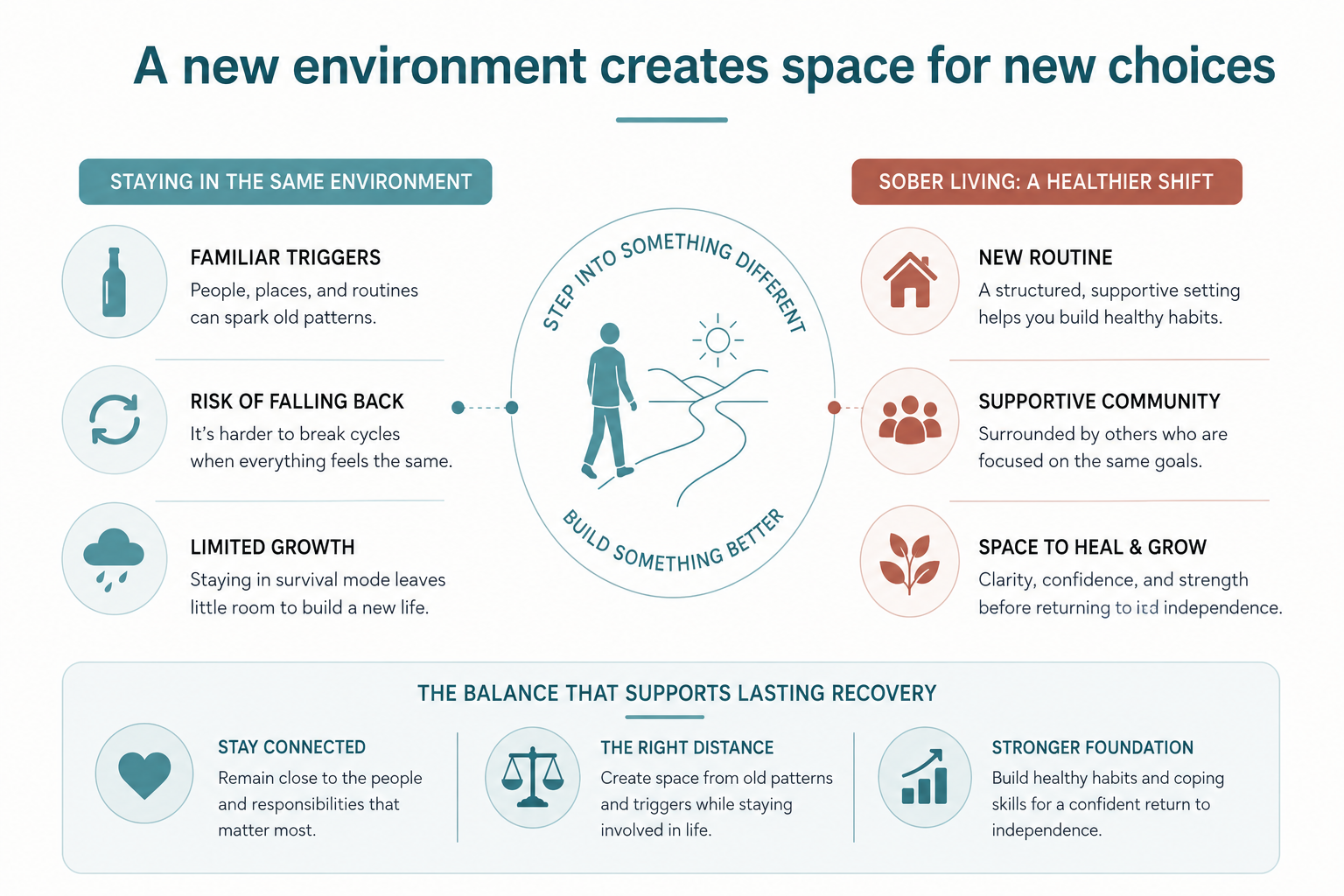
Recovery Thrives When Life Feels Balanced
Early recovery can feel like everything revolves around staying sober. Over time, the goal becomes something much bigger: creating a life where recovery exists alongside meaningful work, healthy relationships, personal interests, and time to recharge. A structured recovery residence helps establish that balance by providing stability without isolating you from the responsibilities and opportunities waiting outside the home.
For men coming from Santa Monica, sober living offers the support needed to continue building that balanced lifestyle while staying connected to the community they know.
Take a Look Inside Our Sober Living Homes


The People Behind the Program
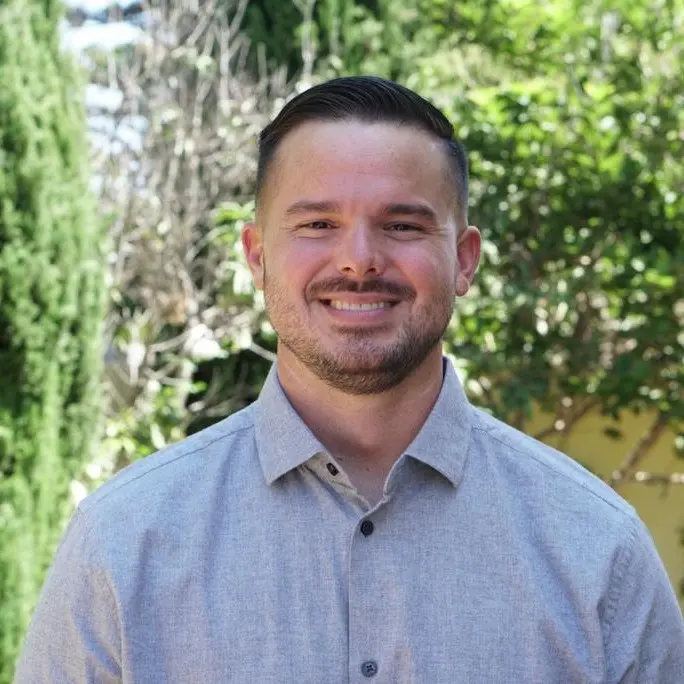
David Beasley
David Beasley is the founder and Program Director of Design for Recovery Sober Living Homes. Drawing from his own recovery experience, he created a structured, recovery-focused environment where men can rebuild their lives through accountability, mentorship, and personal growth.
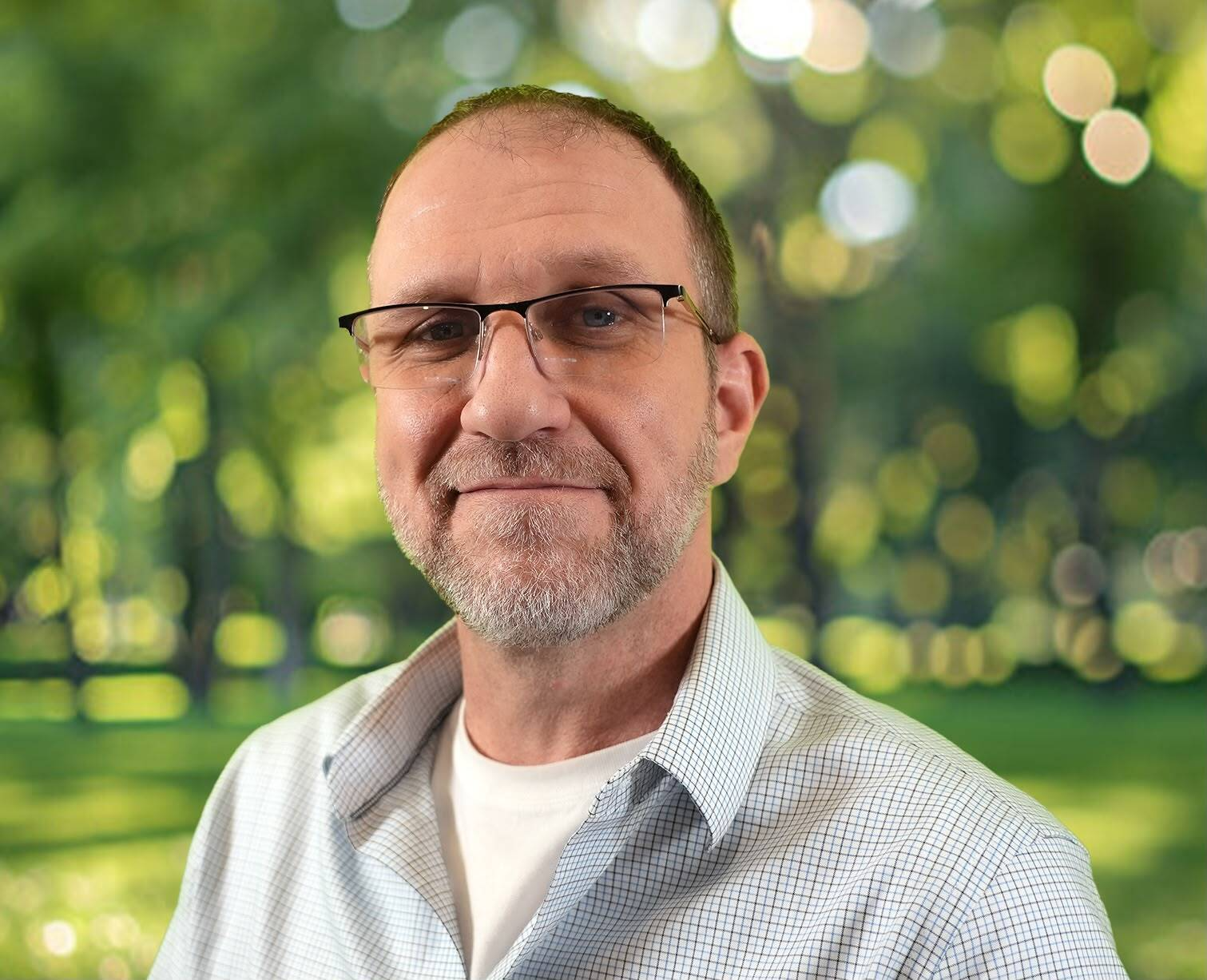
Matthew McCrystal
Matthew McCrystal oversees the daily operations of Design for Recovery, helping ensure every residence provides a safe, structured, and supportive environment. He brings both professional leadership and lived recovery experience to his role.
What We Offer

Employment Support
Returning to work can restore both confidence and routine. We help residents prepare for interviews, strengthen resumes, search for opportunities, and stay accountable as they build stability through employment.

Life and Recovery Skills
Everyday responsibilities become easier to manage through practice and consistency. Residents continue developing skills like budgeting, communication, organization, and personal responsibility while living in a structured recovery environment.

12-Step Programming
Recovery is reinforced through active involvement in the 12-Step community. Residents receive encouragement to attend meetings regularly, connect with sponsors, and incorporate recovery principles into daily life.

One-on-One Mentoring
Individual mentoring provides dedicated time for residents to discuss personal goals, navigate challenges, and receive guidance from mentors who understand the recovery journey firsthand.

Money Management
Building financial confidence can reduce stress and support long-term independence. Residents strengthen budgeting habits, learn practical money management skills, and prepare for life beyond sober living.

Family Services
Recovery often improves when families better understand the process. We help loved ones strengthen communication, develop healthier boundaries, and provide meaningful support throughout recovery.

Medication Monitoring
Residents prescribed medication receive assistance maintaining consistent routines while remaining connected with their healthcare providers as part of their overall recovery plan.

Life in Our Sober Living Homes
A recovery home isn't simply a place where people live under the same roof. It's a place where everyday experiences become opportunities to grow together.
Conversations over dinner, celebrating milestones, helping someone prepare for a job interview, or simply checking in after a difficult day all contribute to a culture where support feels genuine rather than expected.
Living alongside people with different backgrounds and goals also offers perspective. As residents share their experiences, they often discover new ways of approaching challenges, building relationships, and maintaining long-term recovery. Those lessons become just as valuable as the structure the home provides.
Explore Our Sober Living Homes
A Fresh Start Begins With One Conversation
Share Your Situation
Reaching out is the first step toward finding the right support. Our admissions team will take the time to understand your circumstances, explain how our sober living program works, and answer any questions you or your family may have.
Make a Plan Together
If Design for Recovery feels like the right fit, we'll guide you through the admissions process from beginning to end. You'll learn about house expectations, program costs, daily routines, and everything you'll need before move-in day.
Begin Your Next Chapter
Once you arrive, you'll become part of a supportive recovery community focused on personal growth and accountability. From meeting your housemates to settling into daily routines, every step is designed to help you feel welcomed and prepared.
In Their Own Words
Alumni share what changed for them during their time with Design for Recovery.

Recovery Gives You the Opportunity to Start Saying "Yes"
Recovery often begins with saying no to unhealthy habits, but over time it becomes about saying yes to the things that make life meaningful. Yes to new opportunities. Yes to stronger relationships. Yes to personal goals that once felt impossible. A structured recovery residence provides the stability to begin making those choices with confidence.
Invest in Your Physical Well-Being
As routines become more consistent, many residents find they have the time and energy to focus on their overall health. Regular sleep, balanced meals, physical activity, and self-care become part of a lifestyle that supports long-term recovery.
Become More Present in Your Relationships
Recovery creates opportunities to listen more, communicate honestly, and spend meaningful time with the people who matter most. Those moments often become the foundation for rebuilding trust over time.
Pursue Goals With Greater Clarity
When daily life feels more stable, it's easier to think beyond immediate challenges. Whether you're planning your career, continuing your education, or working toward personal milestones, sober living provides an environment where those goals can take shape.
Create a Lifestyle Worth Maintaining
Long-term recovery becomes more sustainable when everyday life feels rewarding. Developing hobbies, healthy routines, supportive friendships, and meaningful responsibilities helps create a future you'll want to protect.
Why Choose Sober Living Near Santa Monica?
Choosing sober living near Santa Monica allows you to remain connected to your career, loved ones, and recovery network while benefiting from the structure of a substance-free living environment.
With access to healthcare providers, outpatient treatment, employment opportunities, and one of the country's most active wellness communities, Santa Monica offers an ideal setting for continuing your recovery while rebuilding everyday life.
Transportation
Santa Monica is connected by Interstate 10, Pacific Coast Highway, Lincoln Boulevard, and Santa Monica Boulevard, making travel throughout the Westside and greater Los Angeles convenient. Metro E Line service, Big Blue Bus, and Metro buses provide additional public transportation options for work, appointments, and recovery meetings.
Cost of Living
Santa Monica has one of the highest costs of living in Southern California, driven primarily by housing. Despite the higher cost, residents benefit from a walkable environment, excellent public amenities, and convenient access to employment, healthcare, and recreational opportunities.
Weather
Santa Monica's coastal climate provides mild temperatures throughout the year, making it easy to enjoy outdoor activities such as walking, cycling, fitness classes, and spending time by the ocean as part of a healthy lifestyle.
Typical Drive from Santa Monica to Design for Recovery: 12 minutes approx (depending on traffic)
Community Services That Support Recovery
Creating a stable future often involves strengthening multiple areas of life at once. Santa Monica offers access to healthcare services, higher education, workforce development programs, financial institutions, and community organizations that can help support your progress both during and after sober living.
Healthcare
| Providence Saint John's Health Center | |
| 2121 Santa Monica Blvd | |
| (310) 829-5511 |
Public Safety
| Santa Monica Police Department | |
| 333 Olympic Dr | |
| (310) 458-8495 |
Education
| Santa Monica College | |
| 1900 Pico Blvd | |
| (310) 434-4000 |
Employment Resources
| Yellow Bob | |
| 2219 Main St #242 | |
| (424) 242-9771 |
Financial Services
| City National Bank | |
| 1620 26th St |
Community & Social Services
| Bodega | |
| Student Activities, 1900 Pico Blvd |
| Providence Saint John's Health Center | |
| 2121 Santa Monica Blvd | |
| (310) 829-5511 |
| Santa Monica Police Department | |
| 333 Olympic Dr | |
| (310) 458-8495 |
| Santa Monica College | |
| 1900 Pico Blvd | |
| (310) 434-4000 |
| Yellow Bob | |
| 2219 Main St #242 | |
| (424) 242-9771 |
| City National Bank | |
| 1620 26th St |
| Bodega | |
| Student Activities, 1900 Pico Blvd |

Recovery Support Resources in Santa Monica
One of the strengths of recovering in the Westside is having access to a well-established recovery community. Santa Monica and nearby neighborhoods offer numerous meetings and support groups, making it easier to stay connected while building long-term sobriety.
Local Sober & Fun Spots Near Santa Monica
Recovery isn't about limiting your life. It's about discovering healthier ways to enjoy it. Santa Monica offers countless opportunities to stay active, connect with others, explore the outdoors, and enjoy the city's arts, culture, and community without relying on substances.
Outdoor Activities
| OnRope Consulting | |
| 1507 7th St | |
| (310) 804-7303 |
Fitness & Wellness
| Santa Monica Yoga | |
| 1640 Ocean Park Blvd, Santa Monica, CA 90405, United States | |
| (310) 396-4040 |
Parks
| Douglas Park | |
| 2439 Wilshire Blvd | |
| (310) 458-8300 |
Entertainment & Recreation
| THE CUBE VR Immersive Park | |
| 1248 3rd Street Promenade | |
| (747) 447-3137 |
Cultural & Social Venues
| AMC Santa Monica 7 | |
| 1310 3rd St | |
| (310) 451-9440 |
| OnRope Consulting | |
| 1507 7th St | |
| (310) 804-7303 |
| Santa Monica Yoga | |
| 1640 Ocean Park Blvd, Santa Monica, CA 90405, United States | |
| (310) 396-4040 |
| Douglas Park | |
| 2439 Wilshire Blvd | |
| (310) 458-8300 |
| THE CUBE VR Immersive Park | |
| 1248 3rd Street Promenade | |
| (747) 447-3137 |
| AMC Santa Monica 7 | |
| 1310 3rd St | |
| (310) 451-9440 |
Local Public Health Trends in Santa Monica
Local health data offers another perspective on the importance of recovery support within the community.
Although every recovery journey is personal, these public health figures reflect why overdose prevention, ongoing support, and structured recovery environments continue to play an important role for individuals and families in Santa Monica.
Overdose Deaths
In Santa Monica, recent CDC provisional reporting shows 1,784 overdose deaths in the most recent 12-month reporting period, highlighting why relapse prevention and daily structure continue to matter.
Naloxone Distribution
Public health programs serving Santa Monica have distributed 22,882 naloxone kits, demonstrating the continued importance of overdose response resources within the community.
Opioid-Related Hospitalizations
The opioid-related hospitalization rate in Santa Monica is reported at 10.0 per 100k residents, reflecting how substance use can continue to result in serious medical emergencies.
Build a Recovery That Fits the Life You Want
Recovery isn't about stepping away from life. It's about creating a healthier way to live it. If you're looking for structured sober living near Santa Monica, our admissions team is here to answer your questions and help you explore the next step with confidence.

Frequently Asked Questions About Sober Living in Santa Monica
Yes. Maintaining healthy relationships is an important part of recovery. Our team can explain how visits, communication, and personal time fit within the structure of the home.
It can be. Many residents choose sober living because they want additional accountability and a stronger recovery community while continuing to work, attend school, or rebuild other areas of life.
Recovery includes moments of connection as well as personal reflection. While every home is different, residents have opportunities to enjoy personal time while remaining part of the larger community.
Yes. Alcoholics Anonymous, Narcotics Anonymous, SMART Recovery, and other peer support meetings are held throughout Santa Monica, Pacific Palisades, Brentwood, Venice, and neighboring Westside communities.
Our admissions team regularly helps men transition into sober living from different parts of California and beyond. We'll explain the admissions process and help make your move as smooth as possible.
The first step is reaching out to our admissions team. We'll answer your questions, discuss your recovery goals, and help you determine whether Design for Recovery is the right fit for your next chapter.
Loading Instagram feed...