(424) 242-1130
Sober Living for Men in Bell, California
 Read Reviews
 What to Expect
 Get Local Help
Our Stats


Why Design for Recovery
Choosing a men's sober living program is about more than having a place to live. It's about joining a community that encourages accountability, personal growth, and the daily habits that support lasting recovery.
The Foundation Behind Our Program
Structured LivingConsistent routines and clear expectations help create stability and make healthy habits easier to maintain.
Meaningful AccountabilityResidents are encouraged to take ownership of their recovery while receiving support from staff and peers.
Recovery-Focused CommunityLiving alongside other men working toward similar goals creates connection, encouragement, and mutual support throughout recovery.
Growth Through IndependenceEvery step is designed to help residents strengthen life skills, build confidence, and prepare for independent living.
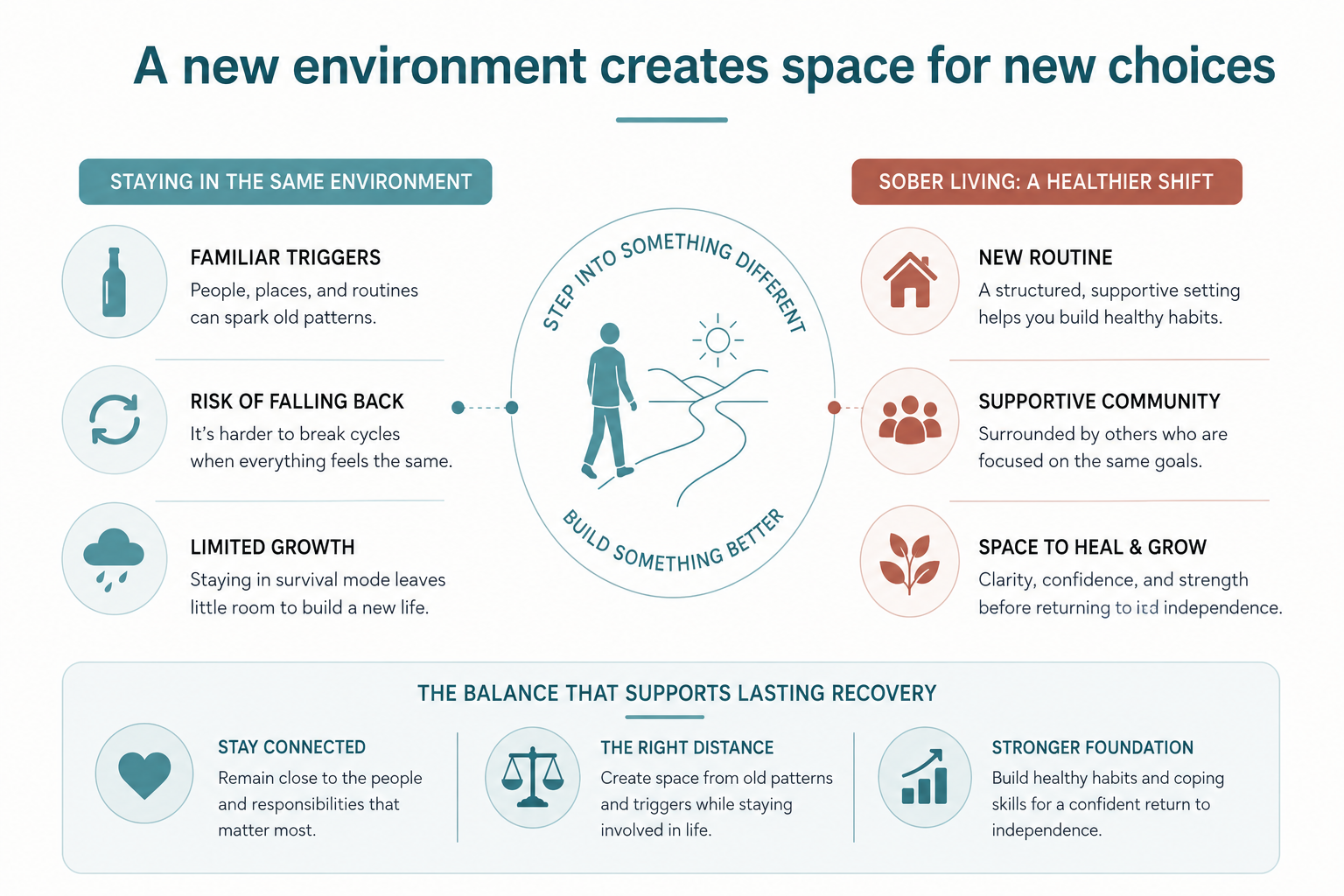
Recovery Begins With a Change of Environment
The transition into sober living is more than changing where you live. It's an opportunity to establish routines, develop healthier habits, and focus on recovery without the distractions and patterns that may have made progress more difficult.
For men coming from Bell, a structured recovery home provides the consistency needed to move forward while keeping the next chapter within reach.
Take a Look Inside Our Sober Living Homes


The People Behind the Program
David Beasley
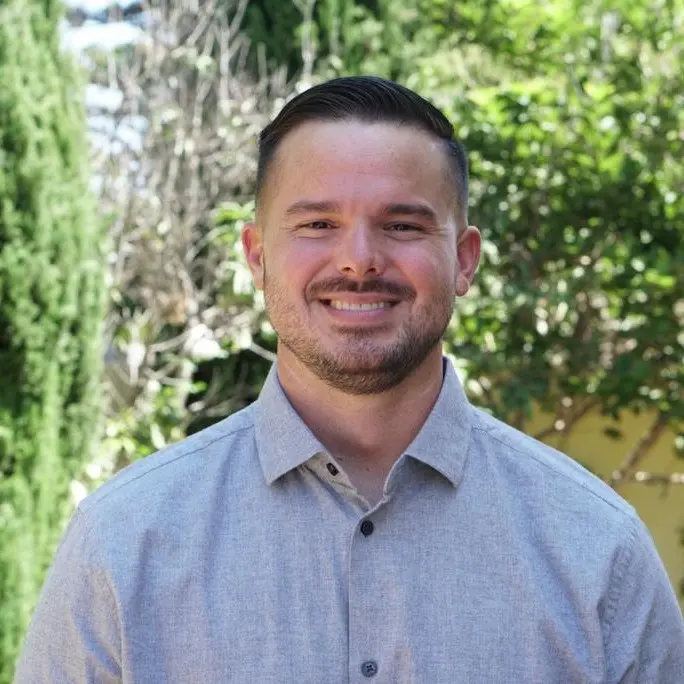
David Beasley is the founder and Program Director of Design for Recovery Sober Living Homes. Drawing from his own recovery experience, he created a structured, recovery-focused environment where men can rebuild their lives through accountability, mentorship, and personal growth.

Matthew McCrystal
Matthew McCrystal oversees the daily operations of Design for Recovery, helping ensure every residence provides a safe, structured, and supportive environment. He brings both professional leadership and lived recovery experience to his role.

What We Offer

Employment Support
Getting back into the workforce is often the clearest early sign that recovery is holding. We help residents with resumes, interview practice, and the job search itself, backed by daily accountability that keeps momentum going.

Life and Recovery Skills
Sobriety tends to hold up better when daily life feels manageable. Through house structure and peer accountability, residents build lasting habits: budgeting, routine, follow-through.

12-Step Programming
Our program runs on 12-Step principles. Residents get genuine support finding a sponsor, attending meetings, and applying those values daily, not only during meetings.

One-on-One Mentoring
Each resident also gets individual mentor time, dedicated space to work through what's actually happening beneath the daily structure, not simply rule compliance.

Money Management
Financial stress quietly derails a lot of early recovery. Residents build practical money skills here: budgeting, saving, habits meant to last well beyond the house.

Family Services
We recognize recovery reaches beyond just the resident. We help families understand what genuine support looks like right now, and how to stay close without becoming overbearing.

Medication Monitoring
For residents managing medications, staying consistent is critical. We help track schedules and maintain the connection to prescribing clinicians.

Life in Our Sober Living Homes
Recovery happens in the small moments just as much as the big ones. Sharing responsibilities, preparing meals, attending meetings, going to work, and supporting one another all become part of daily life inside our homes.
Rather than simply providing housing, our program creates an environment where residents can practice consistency, develop confidence, and gradually prepare for a successful transition into independent living.
Explore Our Sober Living Homes
Making Admissions Simple
Reaching Out to Us
We start by understanding where things stand, whether you're calling for yourself or someone else. Our team will talk through what kind of structure and support would genuinely help.
Finding the Best Fit
From there, we cover cost, logistics, and what's included, so nothing about move-in is a surprise. We work together to identify what matters most: job support, daily accountability, or meeting-based structure.
Moving In Smoothly
Once it's confirmed as a fit, we cover exactly what move-in day looks like: meeting housemates, a full walkthrough, and expectations laid out clearly. Most residents settle in within their first few days.
In Their Own Words
Alumni share what changed for them during their time with Design for Recovery.

Small Steps Lead to Lasting Change
Recovery is built through the choices you make every day. Over time, those choices become habits that support greater confidence, independence, and long-term success.
Build Healthy Habits
Daily routines help create consistency, making it easier to manage responsibilities while supporting your physical and emotional well-being.
Stay Accountable
Being part of a recovery community means having people who encourage your progress, celebrate milestones, and help you stay focused during difficult moments.
Prepare for Independent Living
Practice managing everyday responsibilities in a supportive setting before taking the next step toward living independently.
Strengthen Your Support Network
Recovery becomes stronger when you're surrounded by mentors, peers, and positive relationships that continue beyond your time in sober living.
Why Choose Sober Living Near Bell?
Choosing sober living near Bell allows you to focus on recovery without feeling disconnected from the community you've built. Whether you're maintaining employment, supporting your family, or continuing outpatient care, living nearby makes it possible to balance recovery with the responsibilities that matter to you.
Transportation
Bell is conveniently connected by Interstate 710, Interstate 5, Florence Avenue, and Atlantic Avenue. Metro bus routes throughout the city also provide reliable access to neighboring communities and destinations across Southeast Los Angeles.
Cost of Living
Bell's cost of living is above the national average, with housing accounting for the largest share of monthly expenses. As one of the most densely populated cities in Los Angeles County, demand for housing continues to influence both rental prices and home values.
Weather
Bell experiences warm, dry summers and mild winters, with sunshine throughout much of the year. The area's climate makes it easy to enjoy parks, outdoor recreation, and community spaces in every season.
Typical Drive from Bell to Design for Recovery: 20–30 minutes approx (depending on traffic)
Community Services That Support Recovery
Recovery often involves rebuilding multiple areas of life. Bell offers access to community resources that support healthcare, education, employment, financial assistance, and other services that can contribute to long-term stability.
Public Safety
| BELL POLICE DEPARTMENT | |
| 6326 Pine Ave | |
| (323) 585-1245 |
Employment Resources
| Southland Employment Services | |
| 6526 Atlantic Ave | |
| (323) 583-9387 |
Financial Services
| Wells Fargo Bank | |
| 6510 Atlantic Ave |

Recovery Support Resources in Bell
Bell residents can access a variety of recovery meetings and support organizations throughout the surrounding area. These resources help individuals stay connected to peer support while continuing their recovery journey.
Local Sober & Fun Spots Near Bell
Recovery is also about creating a life you enjoy. Bell offers local parks, recreation programs, community events, and cultural spaces where residents can stay active and build healthy routines outside of work and treatment.
Entertainment & Recreation
| Chuck E. Cheese | |
| 5089 E Florence Ave | |
| (323) 562-3035 |
Cultural & Social Venues
| James George Bell House | |
| 4401 E Gage Ave |
Local Public Health Trends in Bell
Substance use continues to affect the Bell community, highlighting the importance of accessible treatment, overdose prevention, and long-term recovery support. These public health trends provide local context while reinforcing why continued structure and community remain so valuable after treatment.
Overdose Deaths
In Bell, recent reporting shows 1,784 overdose deaths in the most recent reporting period. These figures highlight the ongoing impact of substance use within the community and reinforce the importance of timely treatment, relapse prevention, and continued recovery support.
Naloxone Distribution
Public health programs serving Bell have distributed 22,882 naloxone kits, reflecting continued efforts to reduce overdose-related deaths and expand access to life-saving resources.
Opioid-Related Hospitalizations
The opioid-related hospitalization rate in Bell is reported at 10.0 per 100k, demonstrating the continued need for accessible treatment and ongoing recovery services. These hospitalizations underscore the importance of early intervention and long-term support for individuals affected by opioid use.
A Strong Recovery Starts With the Right Foundation
Every recovery journey looks different, but having the right environment can make all the difference. At Design for Recovery, you'll find structure, accountability, and a supportive community that helps you continue building a healthier, more independent future.

Frequently Asked Questions About Sober Living in Bell, California
Many people choose sober living outside their immediate neighborhood to create healthy distance from familiar environments while still remaining close enough to family, work, and important responsibilities. A new setting can make it easier to establish routines that support long-term recovery.
Yes. Having supportive family members can be a valuable part of recovery. Sober living allows you to maintain those relationships while giving you the structure and accountability needed to focus on your personal growth.
Yes. Bell residents have access to a variety of Alcoholics Anonymous, Narcotics Anonymous, SMART Recovery, and other peer support meetings throughout the surrounding area, making it easier to stay engaged in recovery.
Absolutely. Many residents maintain full-time or part-time employment while living in sober housing. The structure of the program is designed to help residents balance recovery with everyday responsibilities.
Look for a home that offers more than accommodations. Clear house expectations, peer accountability, experienced leadership, recovery programming, and a supportive community are all important factors when choosing a sober living environment.
Our admissions team will take the time to understand your recovery goals, answer your questions, and explain whether our program is the right fit for your current stage of recovery.
Loading Instagram feed...