(424) 242-1130
Sober Living for Men in Whittier, California
 Read Reviews
 What to Expect
 Get Local Help
Our Stats


Why Design for Recovery
Choosing a men's sober living program is about more than finding a place to stay. At Design for Recovery, our recovery residences provide an environment where men strengthen healthy habits, develop practical life skills, and prepare for independent living while surrounded by a supportive recovery community.
The Foundation Behind Our Program
Structured LivingConsistent routines and clear expectations help create stability and make healthy habits easier to maintain.
Meaningful AccountabilityResidents are encouraged to take ownership of their recovery while receiving support from staff and peers.
Recovery-Focused CommunityLiving alongside other men working toward similar goals creates connection, encouragement, and mutual support throughout recovery.
Growth Through IndependenceEvery step is designed to help residents strengthen life skills, build confidence, and prepare for independent living.
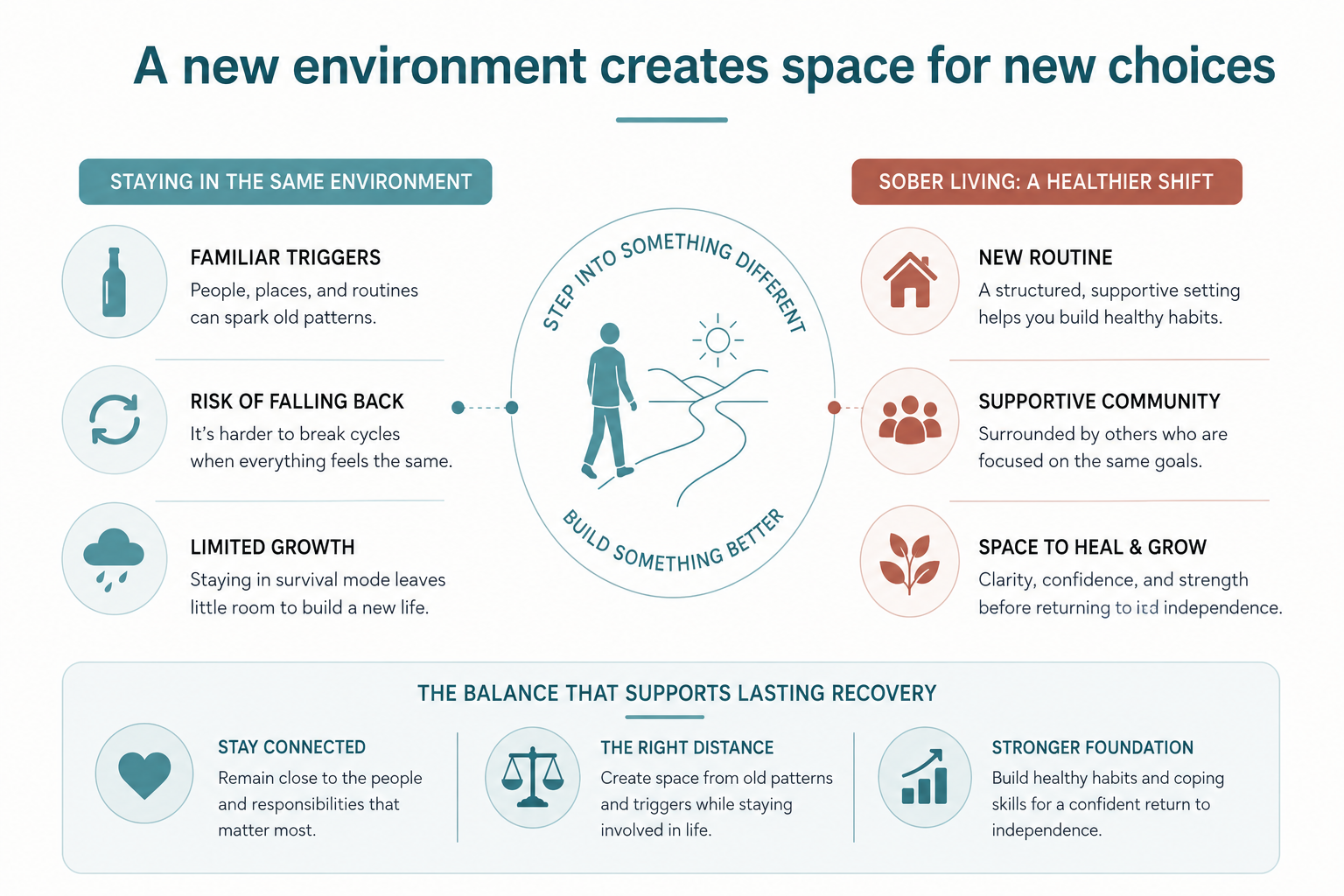
Recovery Creates Space to Make Better Decisions
One of the biggest challenges after treatment is returning to everyday life while trying to make different choices than you did before. A recovery residence creates the space to slow down, think intentionally, and respond to challenges with greater clarity. Instead of reacting out of habit, you have the opportunity to build decision-making skills that support your long-term goals.
For men coming from Whittier, structured sober living provides a supportive environment where healthier choices can become everyday habits while remaining connected to work, family, and ongoing recovery.
Take a Look Inside Our Sober Living Homes


The People Behind the Program
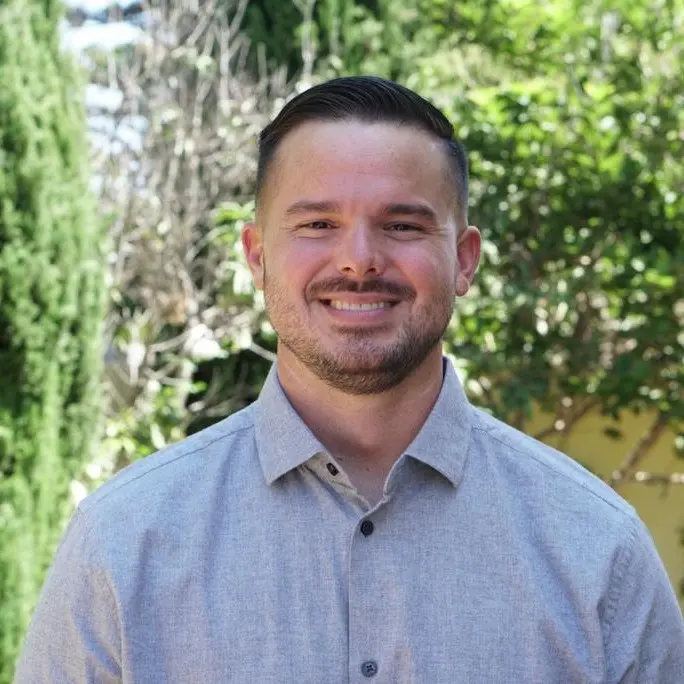
David Beasley
David Beasley is the founder and Program Director of Design for Recovery Sober Living Homes. Drawing from his own recovery experience, he created a structured, recovery-focused environment where men can rebuild their lives through accountability, mentorship, and personal growth.
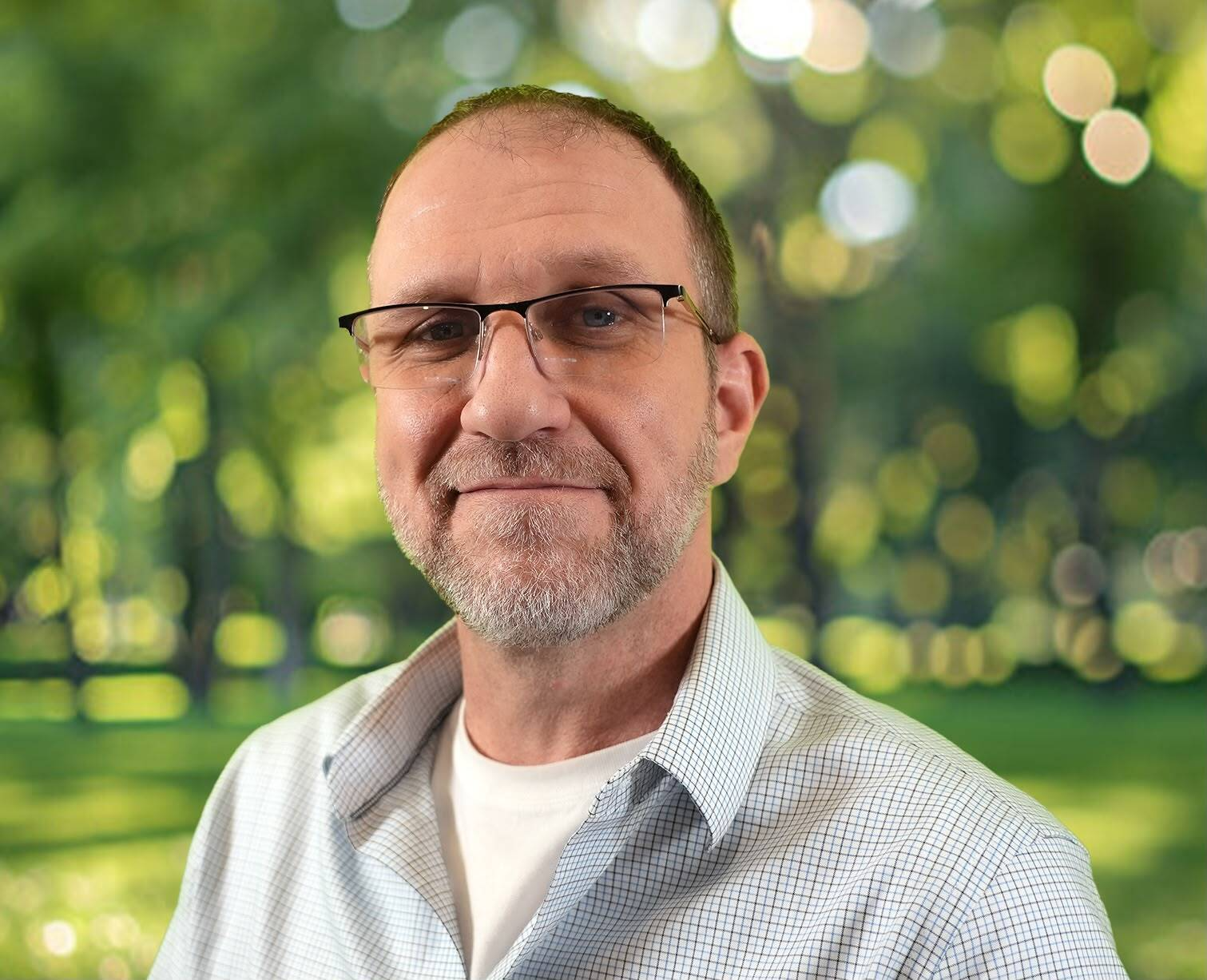
Matthew McCrystal
Matthew McCrystal oversees the daily operations of Design for Recovery, helping ensure every residence provides a safe, structured, and supportive environment. He brings both professional leadership and lived recovery experience to his role.
What We Offer

Employment Support
Returning to work is often one of the first signs that life is moving in the right direction again. We help residents prepare resumes, build interview confidence, search for opportunities, and stay accountable as they establish a healthy work routine.

Life and Recovery Skills
Recovery becomes more sustainable when everyday responsibilities feel manageable. Residents strengthen practical skills like budgeting, organization, communication, and follow-through while living within a structured community.

12-Step Programming
Participation in the 12-Step community remains a central part of our program. Residents receive encouragement finding sponsors, attending meetings consistently, and applying recovery principles throughout daily life.

One-on-One Mentoring
Individual mentoring provides dedicated time to discuss personal challenges, celebrate progress, and work through obstacles with someone who understands the recovery process.

Money Management
Developing healthier financial habits can reduce unnecessary stress during early recovery. Residents receive guidance on budgeting, saving, and making informed financial decisions that continue after leaving the program.

Family Services
Recovery affects the entire family. We help loved ones better understand healthy support, communication, and boundaries while their family member continues building a stronger foundation in recovery.

Medication Monitoring
Residents prescribed medication receive assistance maintaining consistent schedules while staying connected with their healthcare providers to support ongoing treatment.

Life in Our Sober Living Homes
Living with other men in recovery means experiencing the value of shared perspective. Every resident brings different strengths, life experiences, and goals into the home. One person may offer practical advice after navigating a difficult situation, while another simply reminds you that setbacks don't erase progress. Those everyday conversations often become some of the most meaningful parts of recovery.
The home also creates opportunities to practice the skills that support independent living. Respecting shared spaces, communicating openly, managing responsibilities, and contributing to the community all help prepare residents for life after sober living while creating a home where everyone feels invested in each other's success.
Explore Our Sober Living Homes
Finding the Right Path to Recovery
Reach Out to Our Admissions Team
Every recovery journey starts with a conversation. Whether you're looking for help for yourself or someone you care about, our admissions team takes the time to understand your situation, answer your questions, and explain how our sober living program can support your next step.
Prepare for the Transition
Once we've determined Design for Recovery is a good fit, we'll walk you through everything you need to know before move-in. From house expectations and program costs to what daily life looks like, our goal is to make the transition feel straightforward and well-prepared.
Start Building Your Routine
Move-in is more than unpacking your belongings. It's the beginning of a new routine built around accountability, community, and personal growth. You'll meet your housemates, learn how the home operates, and begin settling into an environment designed to support lasting recovery.
In Their Own Words
Alumni share what changed for them during their time with Design for Recovery.

Recovery Gives You More Than a Place to Live
A recovery residence should do more than provide a safe place to stay. It should help you develop the skills, habits, and confidence to manage everyday life independently. Over time, those changes become the foundation for a more stable future.
Build Better Daily Habits
The routines you practice in sober living often become the routines you carry into independent living. Consistency with work, appointments, meetings, and personal responsibilities creates a stronger foundation for long-term recovery.
Learn to Handle Challenges More Effectively
Difficult situations don't disappear after treatment. Living in a recovery residence allows you to work through everyday challenges while surrounded by people who can offer perspective, encouragement, and support.
Strengthen Your Independence
Recovery is about becoming more capable, not more dependent. As you take ownership of your responsibilities and make decisions for yourself, you'll develop the confidence to navigate life outside of sober living.
Continue Growing After Treatment
Recovery doesn't stop when treatment ends. Sober living provides the time and structure to keep building on what you've learned, allowing healthy habits and positive changes to become part of your everyday life.
Why Choose Sober Living Near Whittier?
Choosing sober living near Whittier allows you to stay connected to work, family, education, and ongoing treatment while recovering in a structured, substance-free environment.
Whittier offers access to major employment centers, colleges, healthcare providers, and recovery resources, making it easier to balance your responsibilities while continuing to build a strong foundation for long-term sobriety.
Transportation
Whittier is connected by Interstate 605, State Route 60, and nearby Interstate 5, with major roads including Whittier Boulevard, Colima Road, and Painter Avenue providing convenient access throughout Southeast Los Angeles County and neighboring Orange County. Metro bus services and Norwalk Transit offer additional public transportation options.
Cost of Living
Whittier has a cost of living above the national average, with housing accounting for the largest share of monthly expenses. Its central location, established neighborhoods, and convenient access to both Los Angeles and Orange County continue to make it an attractive place to live.
Weather
Whittier enjoys warm summers, mild winters, and abundant sunshine throughout the year. Local parks, hiking trails, and nearby outdoor recreation areas provide plenty of opportunities to stay active while supporting a healthy recovery lifestyle.
Typical Drive from Whittier to Design for Recovery: 31 minutes approx (depending on traffic)
Community Services That Support Recovery
Recovery extends beyond treatment. Access to healthcare, education, financial services, and community organizations can help individuals build greater stability while working toward long-term sobriety.
Healthcare
| Whittier Hospital Medical Center | |
| 9080 Colima Rd | |
| (562) 945-3561 |
Public Safety
| Whittier Police Department | |
| 13200 East Penn St | |
| (562) 567-9200 |
Education
| Rio Hondo College | |
| 3600 Workman Mill Rd | |
| (562) 692-0921 |
Employment Resources
| Express Employment Professionals | |
| 6709 Greenleaf Ave # 202 | |
| (562) 693-5111 |
Financial Services
| Bank of Whittier, NA | |
| 15141 Whittier Blvd |
Community & Social Services
| Whittier Seventh-day Adventist Church - Food Distribution Center | |
| 8841 Calmada Ave | |
| (562) 758-2108 |
| Whittier Hospital Medical Center | |
| 9080 Colima Rd | |
| (562) 945-3561 |
| Whittier Police Department | |
| 13200 East Penn St | |
| (562) 567-9200 |
| Rio Hondo College | |
| 3600 Workman Mill Rd | |
| (562) 692-0921 |
| Express Employment Professionals | |
| 6709 Greenleaf Ave # 202 | |
| (562) 693-5111 |
| Bank of Whittier, NA | |
| 15141 Whittier Blvd |

Recovery Support Resources in Whittier
Throughout Whittier and neighboring communities, residents can find peer support meetings and recovery organizations that provide encouragement, accountability, and lasting connections.
Local Sober & Fun Spots Near Whittier
Fitness & Wellness
| Yoga Sanctum - Where. You. Belong. | |
| 13563 Telegraph Rd STE 130, Whittier, CA 90605, United States | |
| (562) 906-0090 |
Parks
| Penn Park | |
| 13950 Penn St | |
| (562) 567-9400 |
Entertainment & Recreation
| Chuck E. Cheese | |
| 13400 Whittier Blvd | |
| (562) 573-4455 |
Cultural & Social Venues
| Starlight Whittier Village Cinemas | |
| 7038 Greenleaf Ave | |
| (562) 907-3300 |
| Yoga Sanctum - Where. You. Belong. | |
| 13563 Telegraph Rd STE 130, Whittier, CA 90605, United States | |
| (562) 906-0090 |
| Penn Park | |
| 13950 Penn St | |
| (562) 567-9400 |
| Chuck E. Cheese | |
| 13400 Whittier Blvd | |
| (562) 573-4455 |
| Starlight Whittier Village Cinemas | |
| 7038 Greenleaf Ave | |
| (562) 907-3300 |
Local Public Health Trends in Whittier
Understanding local public health trends provides helpful context for recovery. While every person's journey is unique, these figures highlight why continued support, relapse prevention, and a structured recovery environment remain important for individuals and families throughout the Whittier area.
Overdose Deaths
In Whittier, recent CDC provisional reporting shows 1,784 overdose deaths in the most recent 12-month reporting period, highlighting why relapse prevention and daily structure continue to matter.
Naloxone Distribution
Public health programs serving Whittier have distributed 22,882 naloxone kits, demonstrating the continued importance of overdose response resources within the community.
Opioid-Related Hospitalizations
The opioid-related hospitalization rate in Whittier is reported at 10.0 per 100k residents, reflecting how substance use can continue to result in serious medical emergencies.
The Next Step Starts With One Conversation
Finding the right recovery residence can shape everything that follows. If you're looking for structured sober living near Whittier, our admissions team is here to answer your questions, discuss your options, and help you take the next step with confidence.

Frequently Asked Questions About Sober Living in Whittier
Yes. Many residents continue working with their existing doctors, therapists, psychiatrists, and outpatient providers. Our homes are designed to complement your ongoing care, not replace it.
Whittier's central location makes commuting to both Los Angeles and Orange County practical. Many residents maintain employment while benefiting from the structure and support of sober living.
Yes. Shared responsibilities are part of daily life and help create a respectful, well-maintained living environment. They also encourage accountability and prepare residents for greater independence.
Yes. Alcoholics Anonymous, Narcotics Anonymous, SMART Recovery, and other peer support meetings are available throughout Whittier, La Mirada, Pico Rivera, Santa Fe Springs, and neighboring communities.
Absolutely. Many residents choose sober living after they've established sobriety because they want additional structure while focusing on work, education, or rebuilding other areas of life.
Speaking with our admissions team is the best place to start. We can explain how our homes operate, answer your questions, and help you determine whether Design for Recovery is the right fit for your recovery goals.
Loading Instagram feed...