(424) 242-1130
Sober Living for Men in Van Nuys, California
 Read Reviews
 What to Expect
 Get Local Help
Our Stats


Why Design for Recovery
Recovery continues through the choices and responsibilities that fill your everyday life. At Design for Recovery, our homes give men the opportunity to practice those skills in a structured setting while gradually taking greater ownership of their recovery. Our approach combines clear expectations with mentorship, peer support, and practical opportunities to prepare for independent living.
The Foundation Behind Our Program
Structured LivingConsistent expectations create a dependable framework for managing recovery, work, appointments, and everyday responsibilities.
Meaningful AccountabilityResidents are encouraged to take ownership of their decisions while having people around them who can provide perspective and support.
Recovery-Focused CommunityLiving alongside other men committed to sobriety creates opportunities for encouragement, connection, and shared experience.
Growth Through IndependenceResidents take on greater responsibility over time, building the practical skills and confidence needed beyond sober living.
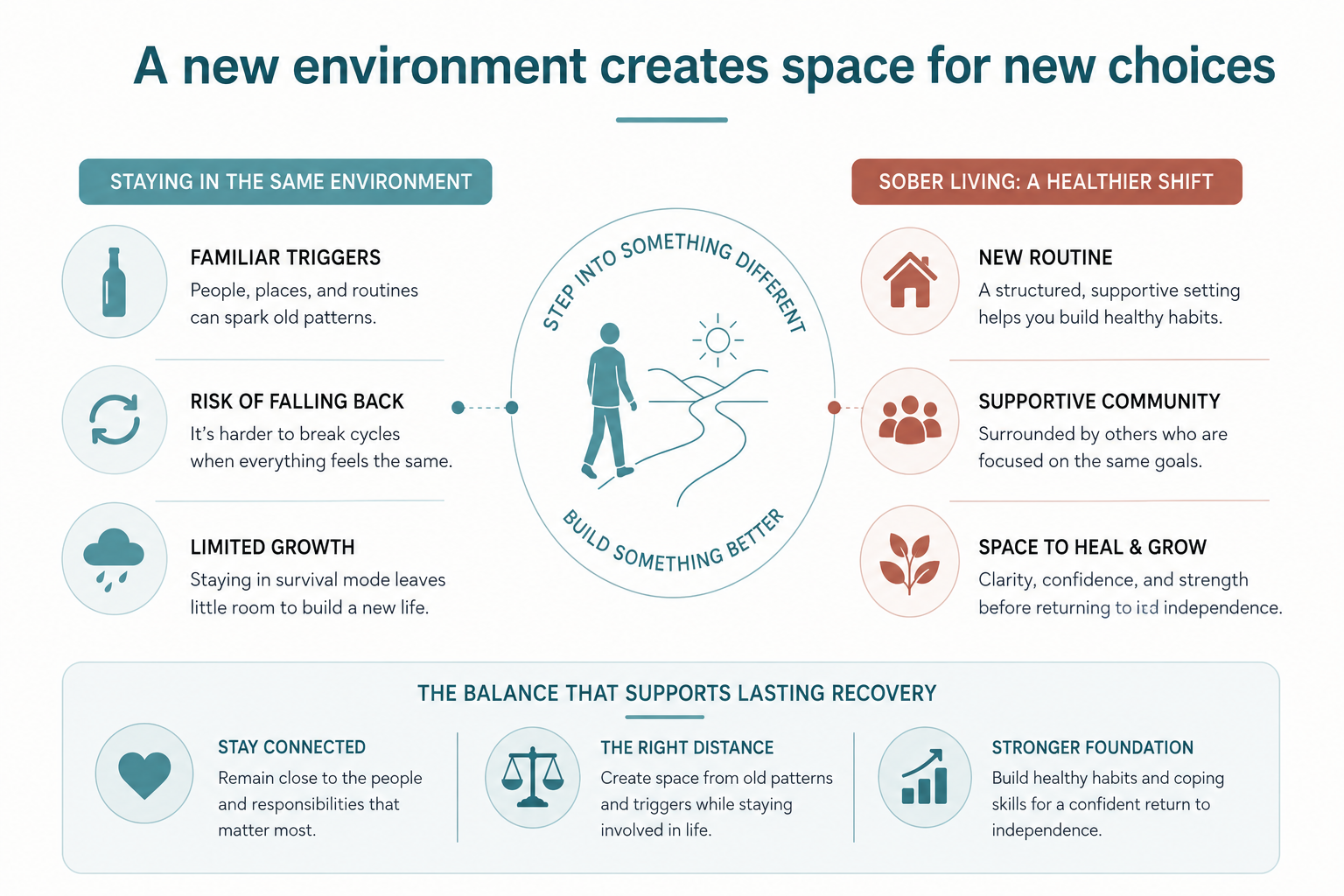
Creating Distance From Everyday Triggers
The environment you return to each day can reinforce the patterns you're trying to change. Familiar people, places, routines, or social situations connected to substance use can make early recovery more difficult.
A sober living home creates a different setting where sobriety is part of the expectations and daily culture.
For men from Van Nuys, that change doesn't require leaving the San Fernando Valley entirely. Design for Recovery provides a recovery-focused home where residents can create healthier patterns while remaining within reach of work, family, treatment, and other important parts of their lives.
Take a Look Inside Our Sober Living Homes


The People Behind the Program
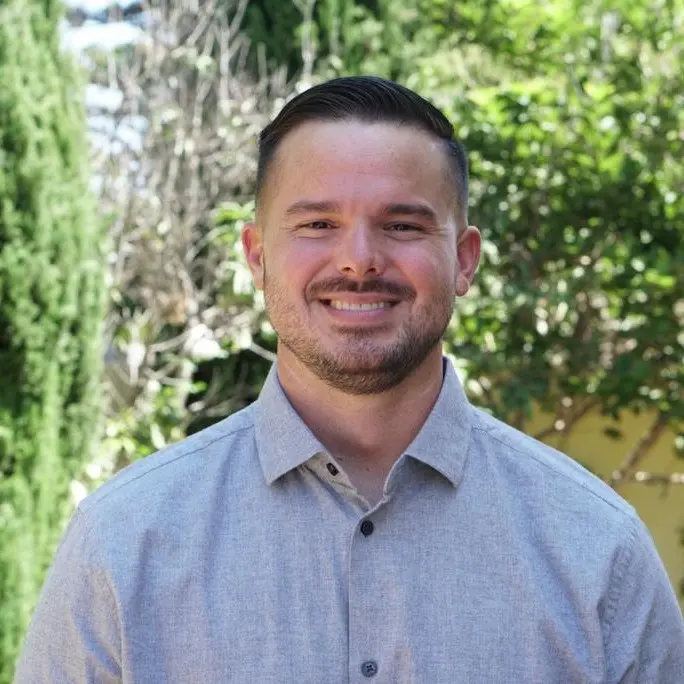
David Beasley
David Beasley is the founder and Program Director of Design for Recovery Sober Living Homes. Drawing from his own recovery experience, he created a structured, recovery-focused environment where men can rebuild their lives through accountability, mentorship, and personal growth.
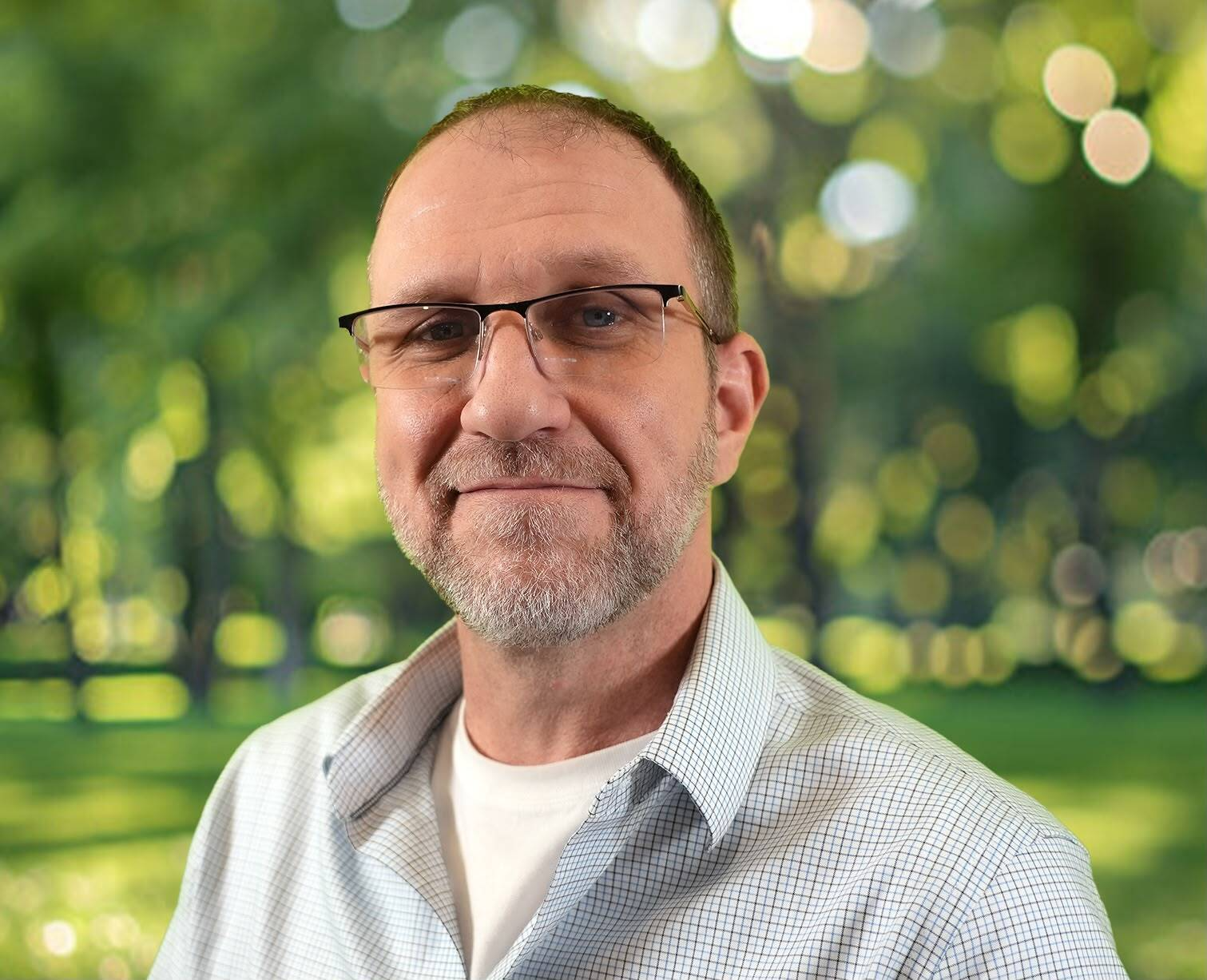
Matthew McCrystal
Matthew McCrystal oversees the daily operations of Design for Recovery, helping ensure every residence provides a safe, structured, and supportive environment. He brings both professional leadership and lived recovery experience to his role.
What We Offer

Employment Support
Meaningful employment helps many residents regain independence and purpose. We assist with resumes, interview preparation, job searching, and developing routines that support long-term success in the workplace.

Life and Recovery Skills
Everyday habits shape long-term recovery. Residents continue strengthening communication, budgeting, organization, time management, and personal responsibility while living in a structured community.

12-Step Programming
Participation in the recovery community remains an important part of life at Design for Recovery. Residents are encouraged to attend meetings regularly, build sponsor relationships, and carry recovery principles into everyday life.

One-on-One Mentoring
Individual mentoring provides guidance, encouragement, and accountability while helping residents navigate challenges and continue progressing toward their personal goals.

Money Management
Financial stability supports greater independence. Residents develop practical budgeting habits and responsible money management skills that continue serving them after sober living.

Family Services
Recovery creates opportunities to strengthen important relationships. We help families better understand the recovery process while encouraging healthier communication and supportive boundaries.

Medication Monitoring
Residents prescribed medication receive assistance maintaining treatment schedules while staying connected with their healthcare providers.

Life in Our Sober Living Homes
At Design for Recovery, residents have their own goals and schedules while sharing a home built around recovery. Work, school, treatment, meetings, and personal responsibilities remain part of everyday life, but residents return to an environment where sobriety and accountability are shared expectations.
The community develops through ordinary interactions. Housemates may talk after work, prepare meals, help each other through a difficult day, or celebrate an important milestone.
Those moments create familiarity and connection without making the home feel like a clinical setting. Residents also have a role in maintaining the environment they share.
Taking care of common spaces, respecting other people's schedules, communicating openly, and following through on responsibilities all become part of learning how to live independently while staying connected to recovery.
Explore Our Sober Living Homes
Let's Build a Plan for What's Ahead
Connect With Our Admissions Team
The first step is simply reaching out. We'll take time to understand your current situation, talk through your recovery goals, and answer any questions about our sober living program so you can make an informed decision.
Prepare for Your Transition
If Design for Recovery feels like the right fit, we'll guide you through every part of the admissions process. You'll receive clear information about move-in, house expectations, daily routines, and program costs before your arrival.
Become Part of the House
Your first few days are about getting comfortable in your new surroundings. You'll meet fellow residents, learn the rhythm of the house, and begin participating in a structured recovery community where everyone is working toward the same goal.
In Their Own Words
Alumni share what changed for them during their time with Design for Recovery.

What Recovery Can Give You Back
Sobriety can create opportunities to reconnect with parts of life that may have been affected by substance use. As recovery becomes more established, residents can begin putting energy back into their relationships, goals, health, and future.
Rebuild Important Relationships
Greater consistency and healthier communication can create opportunities to repair trust and strengthen relationships with family and loved ones.
Regain Control of Your Time
Without substance use dictating your schedule, more time can go toward work, education, hobbies, relationships, and other priorities.
Become More Present
Sobriety can make it easier to engage fully with everyday experiences, conversations, responsibilities, and the people around you.
Plan for the Future
Recovery creates space to think beyond immediate challenges and begin setting realistic goals for employment, finances, relationships, and independent living.
Why Choose Sober Living Near Van Nuys?
Van Nuys is centrally positioned within the San Fernando Valley, making nearby communities and services accessible while maintaining a distinctly residential side. Sober living near Van Nuys allows men to stay within reach of work, family, treatment, and other important commitments while having a recovery-focused home that supports their sobriety.
Transportation
Van Nuys has access to US-101, I-405, and major Valley routes including Van Nuys Boulevard and Victory Boulevard. Metro bus service and the Van Nuys Metrolink Station provide additional transportation options for reaching nearby communities and employment centers.
Cost of Living
Van Nuys has a higher cost of living than the national average, while housing can be more affordable than some of the more expensive communities on the Westside. Its location also provides access to employment and services throughout the San Fernando Valley.
Weather
Van Nuys has warm, dry summers and mild winters typical of the San Fernando Valley. Local parks, recreation facilities, and nearby foothill areas offer opportunities for outdoor activities and exercise.
Typical Drive from Van Nuys to Design for Recovery: 20 min approx
Community Services That Support Recovery
Van Nuys and the surrounding San Fernando Valley offer resources that can support different aspects of rebuilding life. Healthcare, education, employment assistance, financial services, and community programs can complement the structure residents receive through sober living.
Healthcare
| Valley Presbyterian Hospital | |
| 15107 Vanowen St | |
| (818) 782-6600 |
Education
| Van Nuys Branch Library | |
| 6250 Sylmar Ave | |
| (818) 756-8453 |
Financial Services
| Bank of America Financial Center | |
| 6551 Van Nuys Blvd |
Community & Social Services
| Church of the Valley - Food Distribution Center | |
| 6565 Vesper Ave |
| Valley Presbyterian Hospital | |
| 15107 Vanowen St | |
| (818) 782-6600 |
| Van Nuys Branch Library | |
| 6250 Sylmar Ave | |
| (818) 756-8453 |
| Bank of America Financial Center | |
| 6551 Van Nuys Blvd |
| Church of the Valley - Food Distribution Center | |
| 6565 Vesper Ave |

Recovery Support Resources in Van Nuys
A recovery network can extend well beyond the home. Men from Van Nuys can access peer support and recovery organizations throughout the San Fernando Valley, creating additional opportunities for connection and ongoing sobriety.
Local Sober & Fun Spots Near Van Nuys
Finding activities that don't revolve around substance use can help residents develop a fuller lifestyle in recovery. Van Nuys and nearby Valley communities offer opportunities to exercise, spend time outdoors, explore local attractions, and participate in community activities.
Outdoor Activities
| Sepulveda Basin Wildlife Reserve | |
| 6350 Woodley Ave | |
| (818) 756-9710 |
Fitness & Wellness
| Planet Fitness | |
| 7241 Sepulveda Blvd | |
| (747) 208-0474 |
Parks
| Valley Glen Community Park | |
| 6150 Atoll Ave | |
| (818) 756-8188 |
Entertainment & Recreation
| Sky Zone Trampoline Park | |
| 7741 Hayvenhurst Ave | |
| (213) 204-1870 |
Cultural & Social Venues
| Valley Relics Museum | |
| C3 & C4 Entrance on, 7900 Balboa Blvd, Stagg St | |
| (818) 616-4083 |
| Sepulveda Basin Wildlife Reserve | |
| 6350 Woodley Ave | |
| (818) 756-9710 |
| Planet Fitness | |
| 7241 Sepulveda Blvd | |
| (747) 208-0474 |
| Valley Glen Community Park | |
| 6150 Atoll Ave | |
| (818) 756-8188 |
| Sky Zone Trampoline Park | |
| 7741 Hayvenhurst Ave | |
| (213) 204-1870 |
| Valley Relics Museum | |
| C3 & C4 Entrance on, 7900 Balboa Blvd, Stagg St | |
| (818) 616-4083 |
Local Public Health Trends in Van Nuys
Substance use continues to affect individuals and families across Los Angeles County, making recovery resources an important part of community well-being. These public health statistics provide context for the challenges facing Van Nuys while emphasizing the value of overdose prevention, ongoing support, and structured recovery housing.
Overdose Deaths
In Van Nuys, recent CDC provisional reporting shows 1,784 overdose deaths in the most recent 12-month reporting period, highlighting why relapse prevention and daily structure continue to matter.
Naloxone Distribution
Public health programs serving Van Nuys have distributed 22,882 naloxone kits, demonstrating the continued importance of overdose response resources within the community.
Opioid-Related Hospitalizations
The opioid-related hospitalization rate in Van Nuys is reported at 10.0 per 100k residents, reflecting how substance use can continue to result in serious medical emergencies.
Recovery Looks Different for Everyone
Residents come to Design for Recovery with different histories, responsibilities, and goals. One person may be returning to work after treatment, while another may be continuing outpatient care, rebuilding family relationships, or learning how to manage independent responsibilities in sobriety.
For men from Van Nuys, sober living can provide the structure and support to work through those individual goals without expecting everyone to follow the same path. The right environment can give each resident room to make progress at a pace that fits their recovery.

Frequently Asked Questions About Sober Living in Van Nuys
Our sober living homes are located nearby rather than directly in Van Nuys. This allows residents to remain connected to the San Fernando Valley while benefiting from a structured recovery environment outside their immediate surroundings.
Yes. Residents can maintain employment while living in our homes. Van Nuys has a broad range of employment opportunities, and our admissions team can discuss your work schedule and commute when determining whether a home is a practical fit.
Yes. Residents can continue appropriate outpatient treatment, therapy, and medical appointments while living at Design for Recovery. Remaining within reach of your existing providers can help maintain continuity of care.
AA, NA, SMART Recovery, and other support options are available throughout Van Nuys and neighboring San Fernando Valley communities, including Sherman Oaks, North Hollywood, Panorama City, and Reseda.
Yes. Metro bus routes and the Van Nuys Metrolink Station provide public transportation options throughout the Valley and beyond. Your specific commute will depend on where you work, attend treatment, or have other commitments.
It can make maintaining healthy family connections more practical by keeping you within reasonable reach of loved ones while providing a separate, recovery-focused living environment. This can offer both continued connection and useful distance from unhealthy patterns.
Loading Instagram feed...