(424) 242-1130
Sober Living for Men In Torrance, California
 Read Reviews
 What to Expect
 Get Local Help
Our Stats


Why Design for Recovery
Recovery becomes sustainable when the skills developed during treatment start becoming part of ordinary life. At Design for Recovery, residents have the opportunity to practice those skills while managing real responsibilities, making their own decisions, and remaining connected to a community that understands what recovery requires.
Our homes are built around participation rather than dependence. Residents receive guidance and support, but they are also expected to contribute, follow through, and take increasing ownership of the direction their lives are taking.
The Foundation Behind Our Program
Structured LivingA consistent home environment helps residents establish dependable routines around recovery, work, treatment, meetings, and personal responsibilities.
Meaningful AccountabilityResidents are encouraged to follow through on what they commit to and recognize the connection between everyday choices and long-term progress.
Recovery-Focused CommunitySharing a home with other men in recovery creates opportunities to learn from one another, offer encouragement, and build relationships grounded in sobriety.
Growth Through IndependenceResidents gradually take greater responsibility for their schedules, decisions, and daily lives as they prepare for the next stage of independence.
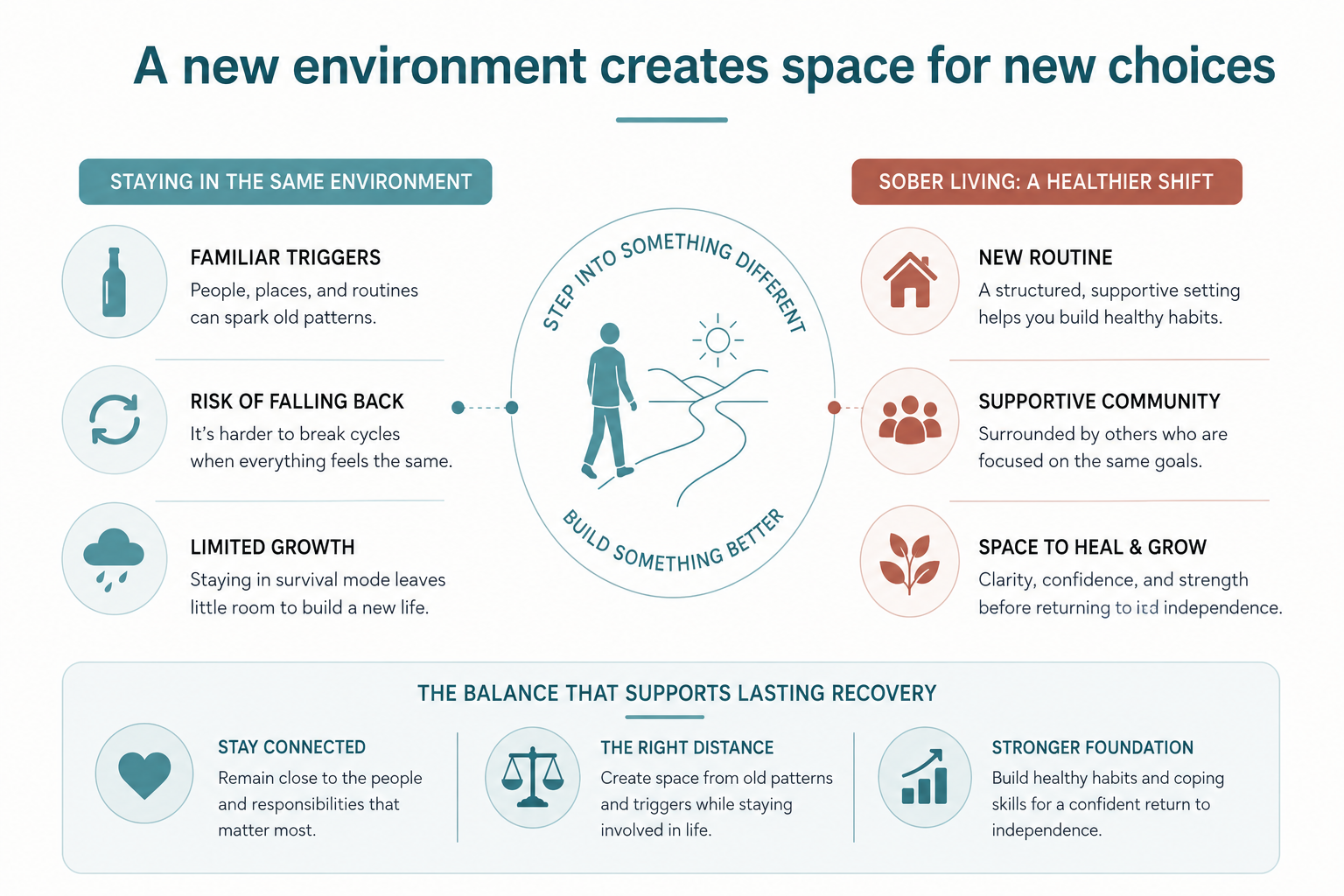
When Your Surroundings Support New Habits
Changing your living environment can create room for different habits to take hold. Familiar surroundings may bring reminders of past routines, relationships, or situations that made maintaining sobriety more difficult.
A recovery-focused home introduces a different daily rhythm. The expectations are clear, sobriety is shared, and residents have people around them who understand the effort involved in making lasting changes.
Take a Look Inside Our Sober Living Homes


Meet the Team Behind Design for Recovery
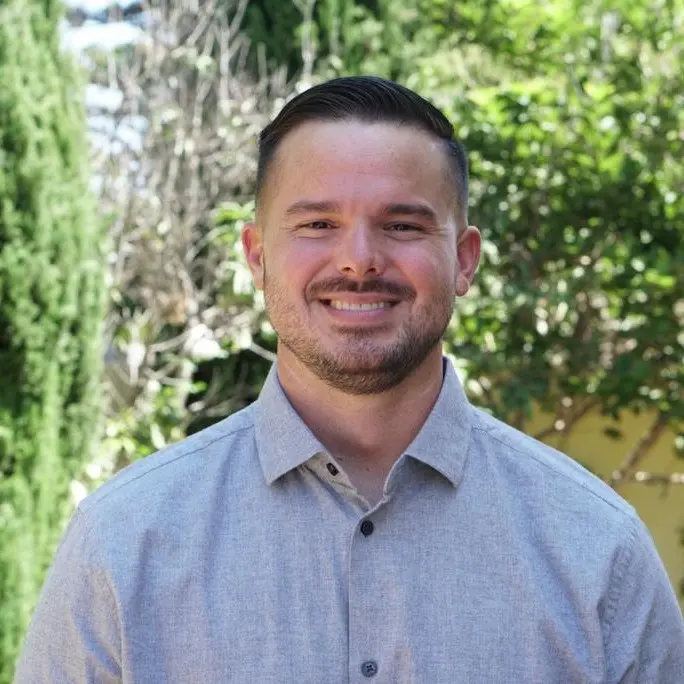
David Beasley
David Beasley is the founder and Program Director of Design for Recovery Sober Living Homes. Drawing from his own recovery experience, he created a structured, recovery-focused environment where men can rebuild their lives through accountability, mentorship, and personal growth.
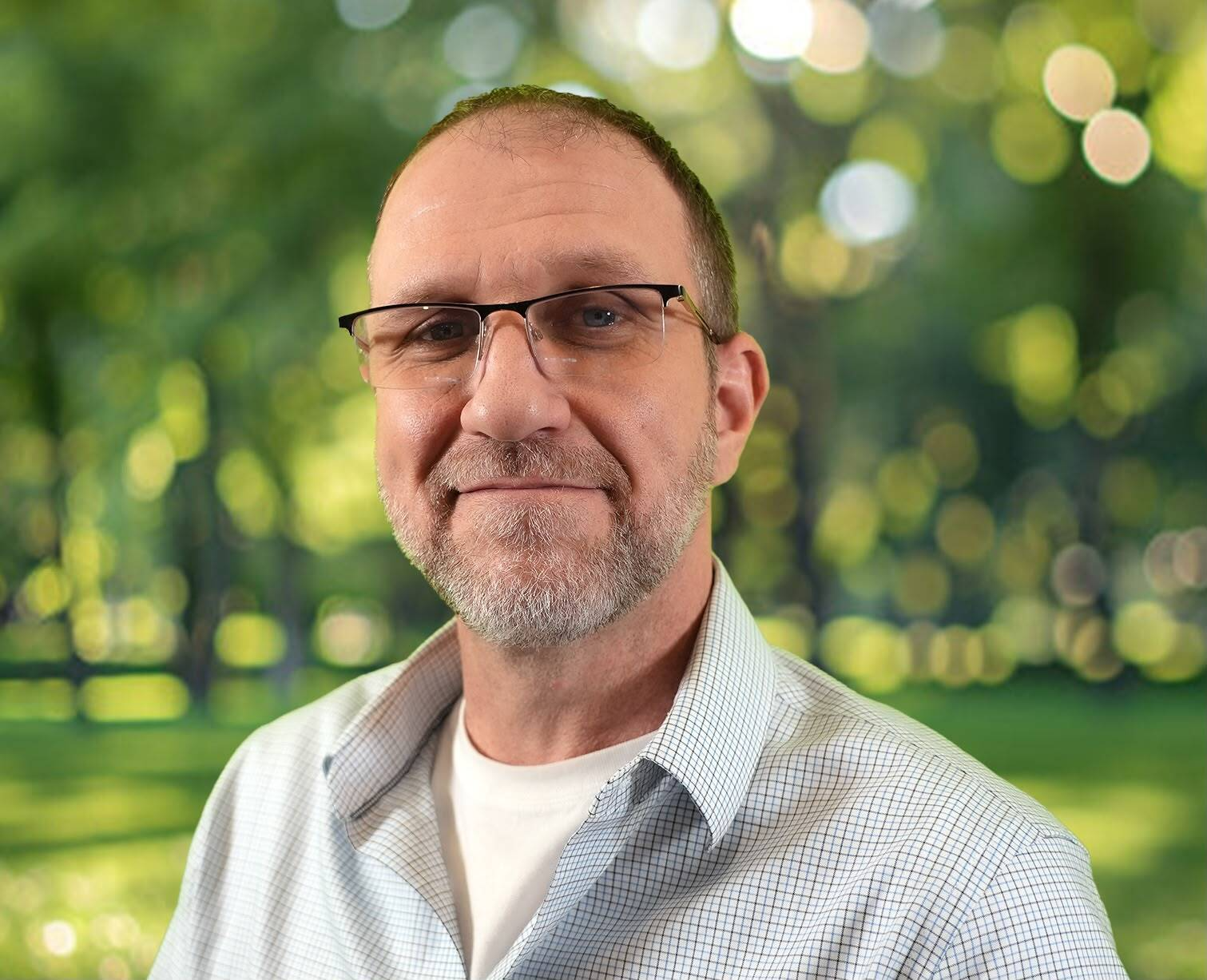
Matthew McCrystal
Matthew McCrystal oversees the daily operations of Design for Recovery, helping ensure every residence provides a safe, structured, and supportive environment. He brings both professional leadership and lived recovery experience to his role.
What We Offer

Employment Support
Help with resumes, interview preparation, job searches, and maintaining accountability as residents work toward steady employment.

Life Skills
Guidance with planning, communication, organization, household responsibilities, and practical decisions that come with independent living.

12-Step Integration
Support for developing consistent meeting habits, connecting with a sponsor, and staying engaged with the broader recovery community.

One-on-One Mentoring
Individual guidance for discussing challenges, identifying next steps, and keeping personal recovery goals moving forward.

Money Management
Assistance with budgeting, managing spending, and building financial habits that support greater stability over time.

Family Support
Guidance around setting boundaries, improving communication, and working toward healthier relationships with family and loved ones.

Medication Monitoring
Support with maintaining prescribed medications and coordinating appropriately with the healthcare professionals involved in ongoing care.

Life in Our Sober Living Homes
Life at Design for Recovery gives residents a chance to put recovery into practice without stepping away from the responsibilities of everyday life. A resident may be working, attending school, continuing treatment, going to meetings, or building new routines around health and personal goals.
The home provides a place to return to between those commitments. Over time, residents learn how to manage their own schedules, make room for recovery alongside other priorities, and recognize what routines help them stay grounded.
Sharing everyday experiences with housemates can create encouragement and perspective while each resident continues working toward his own definition of progress.
Explore Our Sober Living Homes
Your Path to Admissions
Tell Us What You Need
Start by speaking with our admissions team about where you are in recovery, what you're looking for in sober living, and any questions you have about Design for Recovery.
Learn What to Expect
We'll walk you through house expectations, admissions requirements, availability, and the steps involved in preparing for your move.
Get Ready for Your Next Chapter
After completing the admissions process, we'll help you prepare for the transition into the home and begin establishing your routine in a recovery-focused environment.
In Their Own Words
Hear firsthand how residents have experienced sober living and continued recovery.

What Sobriety Can Make Possible
Recovery can create opportunities that extend into many areas of life. With greater stability, residents can begin directing more of their attention toward the things they want to accomplish and the person they want to become.
Return to the Things You Enjoy
Without substance use taking up so much time and attention, there can be more room for hobbies, interests, and activities that bring genuine enjoyment.
Strengthen Your Sense of Responsibility
Managing commitments consistently can help you become more dependable at work, at home, and in your relationships.
Create Healthier Social Connections
Sobriety can make it easier to build friendships and relationships around shared interests, mutual respect, and healthier choices.
Look Forward With Greater Clarity
As recovery becomes more stable, you can begin thinking beyond immediate concerns and making plans for the future with greater confidence.
Why Choose Sober Living Near Torrance?
Torrance is part of the South Bay and provides access to neighboring communities including Redondo Beach, Carson, Lomita, and the Palos Verdes Peninsula. For men from Torrance, choosing sober living nearby can make it easier to remain connected to existing responsibilities while having a structured environment dedicated to recovery.
Transportation
Torrance is accessible through I-405, I-110, and CA-91, with major local roads including Pacific Coast Highway and Hawthorne Boulevard. Torrance Transit and other regional services provide connections throughout the South Bay and surrounding communities.
Cost of Living
Torrance has a higher cost of living than the national average. Housing costs are generally higher than in many inland Los Angeles communities, while remaining comparable with other established South Bay areas.
Weather
Torrance has a mild coastal climate, with relatively warm summers and cooler, wetter winters. The moderate weather can make it easier to incorporate outdoor activities into a regular routine.
For men from Torrance, sober living nearby can provide a balance between maintaining connections to the South Bay and having a recovery-focused environment that supports continued progress.
Typical Drive from Torrance to Design for Recovery: 21 min approx
Community Services That Support Recovery
Recovery often involves rebuilding practical areas of life alongside sobriety. Torrance and surrounding South Bay communities offer resources that can support healthcare needs, employment, education, finances, and community connection.
Healthcare
| Providence Little Company of Mary Medical Center - Torrance | |
| 4101 Torrance Blvd | |
| (310) 540-7676 |
Public Safety
| Torrance Police Department | |
| 3300 Civic Center Dr N | |
| (310) 328-3456 |
Education
| El Camino Community College District | |
| 3400 Manhattan Beach Blvd | |
| (310) 660-3687 |
Employment Resources
| Express Employment Professionals | |
| 22939 Hawthorne Blvd Suite 104 | |
| (310) 923-7580 |
Financial Services
| California Credit Union | |
| 20016 Hawthorne Blvd Ste D |
Community & Social Services
| New Challenge Ministries, Inc. est 1981 | |
| 18801 Crenshaw Pl | |
| (310) 320-4171 |
| Torrance Police Department | |
| 3300 Civic Center Dr N | |
| (310) 328-3456 |
| El Camino Community College District | |
| 3400 Manhattan Beach Blvd | |
| (310) 660-3687 |
| Express Employment Professionals | |
| 22939 Hawthorne Blvd Suite 104 | |
| (310) 923-7580 |
| California Credit Union | |
| 20016 Hawthorne Blvd Ste D |
| New Challenge Ministries, Inc. est 1981 | |
| 18801 Crenshaw Pl | |
| (310) 320-4171 |

Recovery Support Resources in Torrance
Peer support can provide an additional source of connection as residents continue building a sober lifestyle. Torrance and surrounding South Bay communities offer access to established recovery and mental health organizations.
Local Sober & Fun Spots Near Torrance
Torrance and the surrounding South Bay offer plenty of ways to spend time outside the home while developing interests that fit a sober lifestyle. Residents can take advantage of the area's outdoor setting, recreational options, and community spaces.
Outdoor Activities
| Class 5 Climbing | |
| 20120 Hawthorne Blvd | |
| (424) 587-7166 |
Fitness & Wellness
| YogaSix Rolling Hills | |
| 2919 Rolling Hills Rd Unit 14, Torrance, CA 90505, United States | |
| (424) 265-5115 |
Parks
| Torrance Park | |
| 2001 Santa Fe Ave | |
| (310) 618-2930 |
Entertainment & Recreation
| Lucky Strike Torrance | |
| 21915 S Western Ave | |
| (310) 328-3700 |
Cultural & Social Venues
| AMC Rolling Hills 20 | |
| 2591 Airport Dr | |
| (310) 326-5011 |
| Class 5 Climbing | |
| 20120 Hawthorne Blvd | |
| (424) 587-7166 |
| YogaSix Rolling Hills | |
| 2919 Rolling Hills Rd Unit 14, Torrance, CA 90505, United States | |
| (424) 265-5115 |
| Torrance Park | |
| 2001 Santa Fe Ave | |
| (310) 618-2930 |
| Lucky Strike Torrance | |
| 21915 S Western Ave | |
| (310) 328-3700 |
| AMC Rolling Hills 20 | |
| 2591 Airport Dr | |
| (310) 326-5011 |
Local Public Health Trends in Torrance
Substance use remains a public health concern across Los Angeles County, making continued access to prevention, treatment, overdose response, and recovery resources important for communities throughout the South Bay.
Overdose Deaths
Recent reporting shows 1,784 overdose deaths during the most recent reporting period.
Naloxone Distribution
Public health programs serving Torrance have distributed 22,882 naloxone kits, supporting access to overdose-response resources.
Opioid-Related Hospitalizations
The opioid-related hospitalization rate in Torrance is reported at 10.0 per 100k, providing another indicator of the impact of opioid use in the community.
Recovery Looks Different for Everyone
The transition into sober living can involve very different priorities. One man may be focused on rebuilding his career, while another may be working through family concerns, continuing treatment, or learning how to manage everyday responsibilities without substances.
A structured home can provide a consistent foundation while leaving room for those individual priorities. At Design for Recovery, residents can work at their own pace while continuing to build the skills, confidence, and stability needed for the next stage of recovery.

Frequently Asked Questions About Sober Living in Torrance
Yes. Residents can maintain employment while living in our homes. Your work location and schedule can be discussed during admissions to help determine which option is practical for you.
Yes. Residents can continue appropriate outpatient treatment, therapy, and healthcare appointments while living at Design for Recovery.
Yes. AA, NA, SMART Recovery, and other peer-support options are available in Torrance and throughout the surrounding South Bay.
Yes. Living within reach of family can make continued connection more manageable while still giving residents a separate environment centered on recovery.
Torrance is served by Torrance Transit along with regional transportation services. The most practical option will depend on your work, treatment, and other regular destinations.
Our admissions team can discuss your recovery needs, daily responsibilities, transportation considerations, and current availability to help identify the most suitable option.
Loading Instagram feed...