(424) 242-1130
Sober Living for Men in Signal Hill, California
 Read Reviews
 What to Expect
 Get Local Help
Our Stats


Why Design for Recovery
Recovery becomes sustainable when the skills developed during treatment begin to carry into everyday life. At Design for Recovery, residents have an opportunity to practice that transition in a home where expectations are clear and support is part of the environment.
The program is structured, but residents are still expected to take ownership of their progress. That balance allows men to work on the practical side of recovery while gradually becoming more confident in handling their own lives.
The Foundation Behind Our Program
Consistency in Daily LifeA stable home environment can make it easier to develop dependable routines around work, treatment, meetings, rest, and personal responsibilities.
Accountability That Leads to ChangeBeing responsible for commitments gives residents opportunities to recognize setbacks, address them honestly, and make more thoughtful choices moving forward.
A Community With Shared ExperienceLiving alongside other men in recovery creates opportunities for encouragement, perspective, and relationships with people who understand the challenges involved.
Greater Ownership Over TimeAs residents become more comfortable managing everyday responsibilities, they can begin relying more on their own judgment and preparing for life beyond sober living.
Recognizing Patterns That Can Affect Recovery
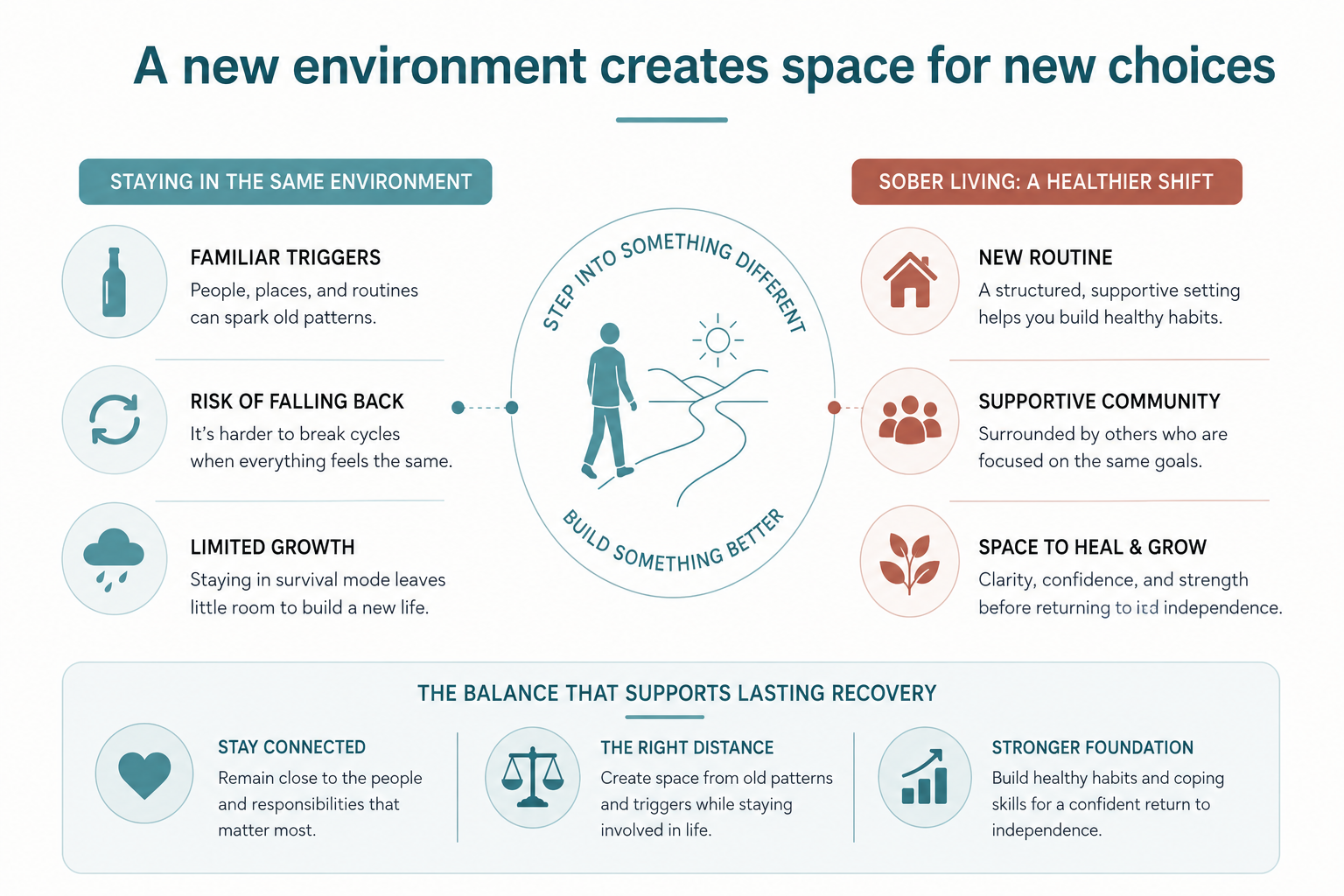
A trigger may be connected to a familiar person, place, routine, or situation. It can also come from something less obvious, such as stress, isolation, conflict, or an emotional experience that makes recovery feel more difficult.
Learning to recognize these patterns can create a pause between experiencing a difficult moment and reacting to it. Residents can use that awareness to practice healthier coping strategies and seek support when they need it.
Take a Look Inside Our Sober Living Homes


Meet the Team Behind Design for Recovery
David Beasley
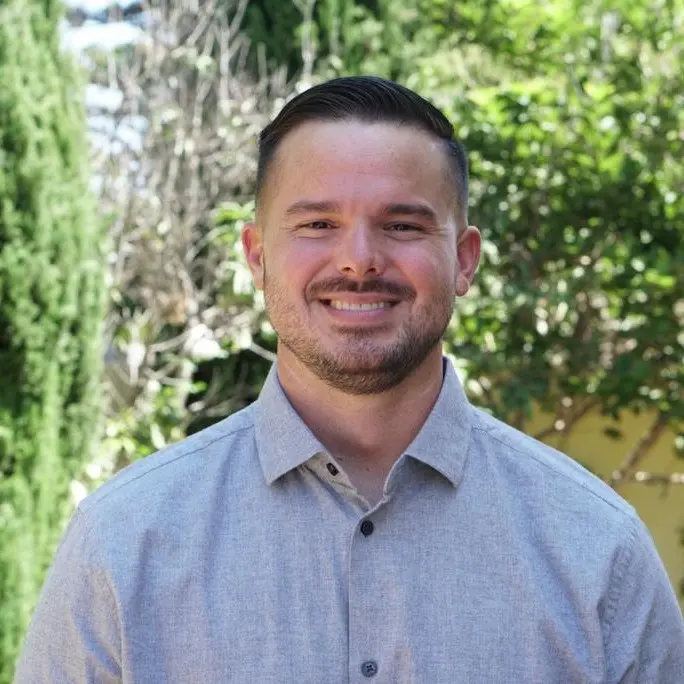
David Beasley is the founder and Program Director of Design for Recovery Sober Living Homes. Drawing from his own recovery experience, he created a structured, recovery-focused environment where men can rebuild their lives through accountability, mentorship, and personal growth.

Matthew McCrystal
Matthew McCrystal oversees the daily operations of Design for Recovery, helping ensure every residence provides a safe, structured, and supportive environment. He brings both professional leadership and lived recovery experience to his role.

What We Offer

Employment Support
Getting back into the workforce can be an important part of establishing a steady routine. Support can include identifying opportunities, preparing for interviews, navigating applications, and adjusting to the demands of employment.

Life Skills
From keeping track of appointments to managing a household, everyday responsibilities require practical skills. Residents have opportunities to strengthen organization, communication, planning, and decision-making.

12-Step Integration
Residents can develop their own connection to a 12-Step community through meeting attendance, sponsorship, and continued participation outside the sober living home.

One-on-One Mentoring
Individual conversations give residents room to focus on issues that may require more personal attention, whether that's a setback, a difficult decision, or a goal they're trying to reach.

Money Management
Learning how to handle income and expenses is part of preparing for life on your own. Residents can work toward better budgeting habits and a clearer understanding of their financial priorities.

Family Support
Family relationships can change throughout recovery. Support gives residents an opportunity to work on communication, boundaries, and the consistency that can help rebuild trust over time.

Medication Monitoring
Residents remain under the direction of their healthcare providers while receiving appropriate assistance with medication management.

Life in Our Sober Living Homes
The home is only one part of a resident's day. That creates opportunities to practice the practical side of independence.
Residents have to manage their time, keep track of responsibilities, interact with housemates, and make choices that support the progress they're trying to maintain.
Over time, these ordinary experiences can become an important part of the transition. Instead of waiting until sober living ends to figure out what works, residents have an opportunity to develop their routines while support and accountability are still close by.
Explore Our Sober Living Homes
A Thoughtful Start to Admissions
Talk Through Your Options
Reach out to our admissions team to discuss where you are in recovery, what you're looking for in sober living, and any questions you have about making the transition.
Understand the Home and Program
We'll explain availability, house expectations, admissions requirements, and the practical details of living at Design for Recovery so you know what you're considering.
Get Ready for the Transition
Once you've made your decision, we'll help you complete the remaining steps and prepare for your move into the home.
In Their Own Words
Hear how residents describe the relationships, routines, challenges, and milestones that have been part of their recovery experience.

Building a Life Beyond Early Recovery
As stability grows, recovery can create room to focus on parts of life that may have been neglected. The priorities are different for everyone, but having a stronger foundation can make it easier to invest in relationships, responsibilities, interests, and future plans.
Reconnect With the People Around You
Being present and dependable can help create opportunities to rebuild trust and strengthen relationships that matter.
Find Purpose in Your Routine
Employment, education, exercise, hobbies, and recovery commitments can give structure to your days while leaving room for things you genuinely enjoy.
Become More Comfortable With Responsibility
Managing finances, appointments, work, household expectations, and personal commitments can help build confidence in handling everyday life.
Make Plans for What Comes Next
As you become more stable, you can begin thinking about longer-term goals and the kind of life you want to continue building in sobriety.
Why Choose Sober Living Near Signal Hill?
Signal Hill is a small, elevated city surrounded entirely by Long Beach. Its location places residents close to major employment, healthcare, recreation, and community resources throughout the Long Beach area while maintaining a distinct residential setting.
Transportation
Signal Hill is connected to Long Beach and surrounding communities through local streets and nearby major routes, including Interstate 405, Interstate 710, and Pacific Coast Highway. Long Beach Transit also provides bus service in and around the city.
Cost of Living
Signal Hill shares the broader Long Beach area's relatively high housing costs, although expenses vary by neighborhood and housing type. Its compact size and largely built-out residential environment also limit the range of housing options within the city itself.
Weather
Signal Hill has a mild coastal Southern California climate. Its proximity to the Pacific generally means moderate temperatures compared with communities farther inland, with warm, dry summers and mild winters.
For men from Signal Hill, sober living nearby can offer a change in home environment while keeping work, treatment, family, and other Long Beach-area connections accessible.
Typical Drive from Signal Hill to Design for Recovery: 29 min approx
Community Services That Support Recovery
A stable recovery can involve rebuilding several areas of life at once. Residents in Signal Hill and nearby Long Beach communities can access resources related to healthcare, employment, education, financial needs, and other practical concerns.
Public Safety
| Signal Hill Police Department | |
| 2745 Walnut Ave | |
| (562) 989-7200 |
Education
| Signal Hill Public Library | |
| 1800 E Hill St | |
| (562) 989-7323 |
Employment Resources
| Express Employment Professionals | |
| 3299 E Hill St Suite 303 | |
| (562) 472-1040 |
Financial Services
| U.S. Bank Branch | |
| 2615 Cherry Ave |
| Signal Hill Police Department | |
| 2745 Walnut Ave | |
| (562) 989-7200 |
| Signal Hill Public Library | |
| 1800 E Hill St | |
| (562) 989-7323 |
| Express Employment Professionals | |
| 3299 E Hill St Suite 303 | |
| (562) 472-1040 |
| U.S. Bank Branch | |
| 2615 Cherry Ave |

Recovery Support Resources in Signal Hill
Peer support and community resources can complement the structure of sober living. Residents can explore recovery and mental health resources throughout Signal Hill, Long Beach, and surrounding communities.
Local Sober & Fun Spots Near Signal Hill
Signal Hill's elevated setting, parks, trails, and proximity to Long Beach give residents several ways to stay active and spend time outside the home. Building enjoyable activities into the week can help create a routine that isn't centered entirely around work and treatment.
Outdoor Activities
| Hangar 18 Indoor Climbing Gym - Long Beach | |
| 2599 E Willow St | |
| (562) 981-3200 |
Fitness & Wellness
| Iron Addicts Gym | |
| 2226A Cerritos Ave | |
| (888) 694-7488 |
Parks
| Signal Hill Park | |
| 2175 Cherry Ave | |
| (562) 989-7300 |
Cultural & Social Venues
| Greenly Art Space | |
| 2698 Junipero Ave #113 | |
| (562) 533-4020 |
| Hangar 18 Indoor Climbing Gym - Long Beach | |
| 2599 E Willow St | |
| (562) 981-3200 |
| Iron Addicts Gym | |
| 2226A Cerritos Ave | |
| (888) 694-7488 |
| Signal Hill Park | |
| 2175 Cherry Ave | |
| (562) 989-7300 |
| Greenly Art Space | |
| 2698 Junipero Ave #113 | |
| (562) 533-4020 |
Local Public Health Trends in Signal Hill
Substance use remains a public health concern across Los Angeles County, including the Long Beach area. Broader public health data provides context for the continued need for prevention, treatment, overdose response, and ongoing recovery support.
Overdose Deaths
Recent reporting shows 1,784 overdose deaths during the most recent reporting period.
Naloxone Distribution
Public health programs serving the Signal Hill area have distributed 22,882 naloxone kits, supporting access to overdose-response resources.
Opioid-Related Hospitalizations
The opioid-related hospitalization rate for the relevant local area is reported at 10.0 per 100k, providing another measure of the impact of opioid use in the community.
Continuing the Work of Recovery
Leaving treatment does not mean the work of recovery is finished. It can be a period of learning how to manage responsibilities, relationships, work, and personal goals while continuing to protect the progress you've made.
Design for Recovery provides a structured environment where residents can keep developing those skills with accountability and support around them.
If you're considering sober living near Signal Hill, our team can help you learn more about the program and what the transition could look like.

Frequently Asked Questions About Sober Living in Signal Hill
Yes. Residents can maintain employment while living in sober housing. Your work location and schedule can be discussed during admissions.
It can be. Signal Hill is surrounded by Long Beach, so residents with work, treatment, family, or other commitments throughout the area may find the location practical.
Yes. Residents can continue appropriate outpatient treatment, therapy, and healthcare appointments while living at Design for Recovery.
Transportation needs can be discussed during admissions. Signal Hill's location near Long Beach provides access to local public transportation, although the most practical option will depend on your work, treatment, and meeting locations.
Yes. Supportive relationships can remain part of recovery. Residents can maintain appropriate connections while following the expectations of their sober living home.
Consider the structure of the home, its expectations, the support available, your work and treatment schedule, transportation, and whether the environment fits the stage of recovery you're in.
Loading Instagram feed...