(424) 242-1130
Sober Living for Men in Sherman Oaks, California
 Read Reviews
 What to Expect
 Get Local Help
Our Stats


Why Design for Recovery
Choosing a men's sober living program is about more than finding a place to stay. At Design for Recovery, our recovery residences provide an environment where men strengthen healthy habits, develop practical life skills, and prepare for independent living while surrounded by a supportive recovery community.
The Foundation Behind Our Program
Structured LivingConsistent routines and clear expectations help create stability and make healthy habits easier to maintain.
Meaningful AccountabilityResidents are encouraged to take ownership of their recovery while receiving support from staff and peers.
Recovery-Focused CommunityLiving alongside other men working toward similar goals creates connection, encouragement, and mutual support throughout recovery.
Growth Through IndependenceEvery step is designed to help residents strengthen life skills, build confidence, and prepare for independent living.
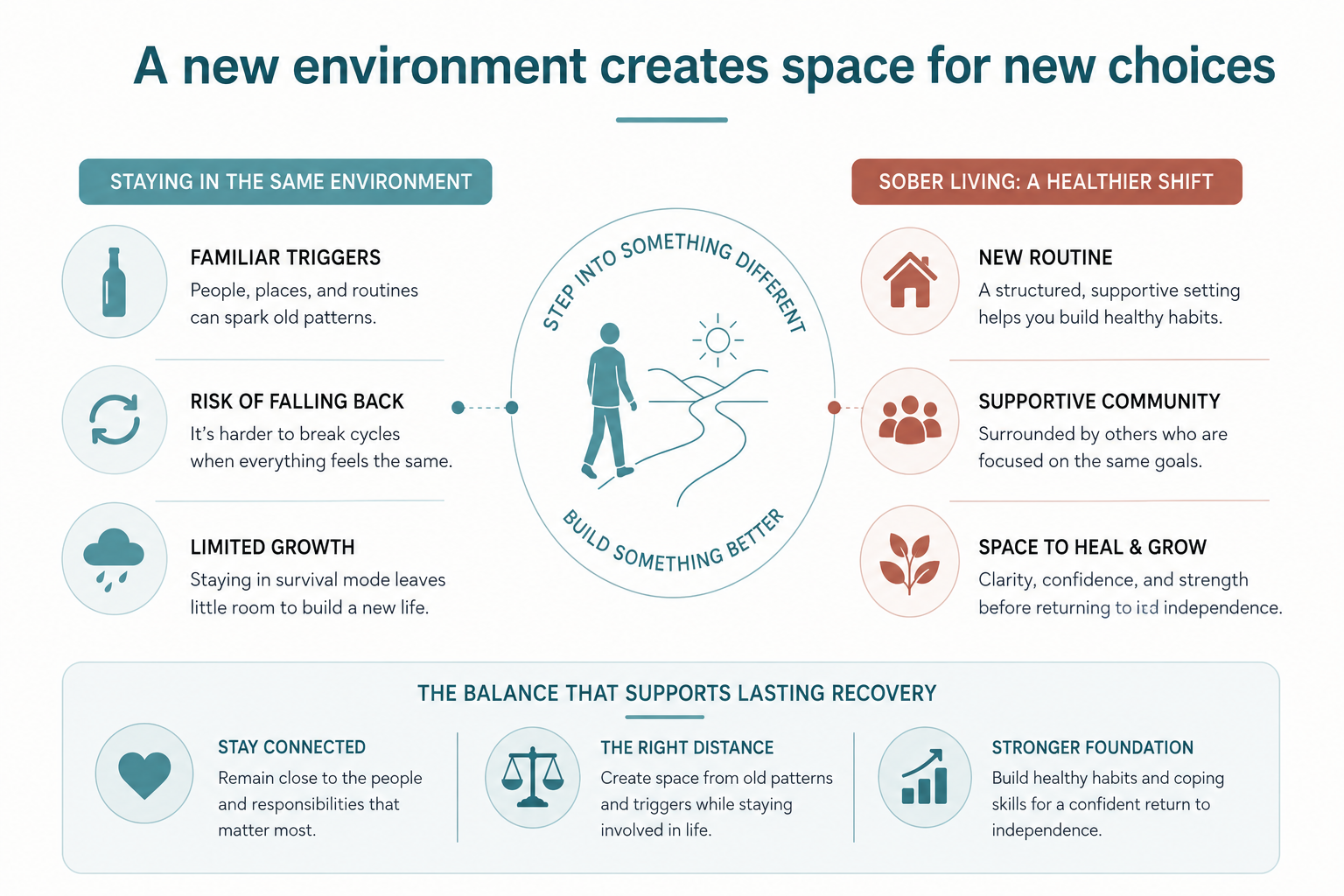
The Right Environment Helps You Focus on What Matters
Recovery often becomes more manageable when you're no longer trying to navigate it alone. A structured recovery residence removes much of the uncertainty that can come with early sobriety, allowing you to focus your energy on rebuilding healthy routines, strengthening relationships, and preparing for long-term independence. Instead of constantly wondering what comes next, you can dedicate your attention to making steady progress.
For men coming from Sherman Oaks, sober living offers that stability while making it possible to remain connected to work, family, and the commitments that continue outside the home.
Take a Look Inside Our Sober Living Homes


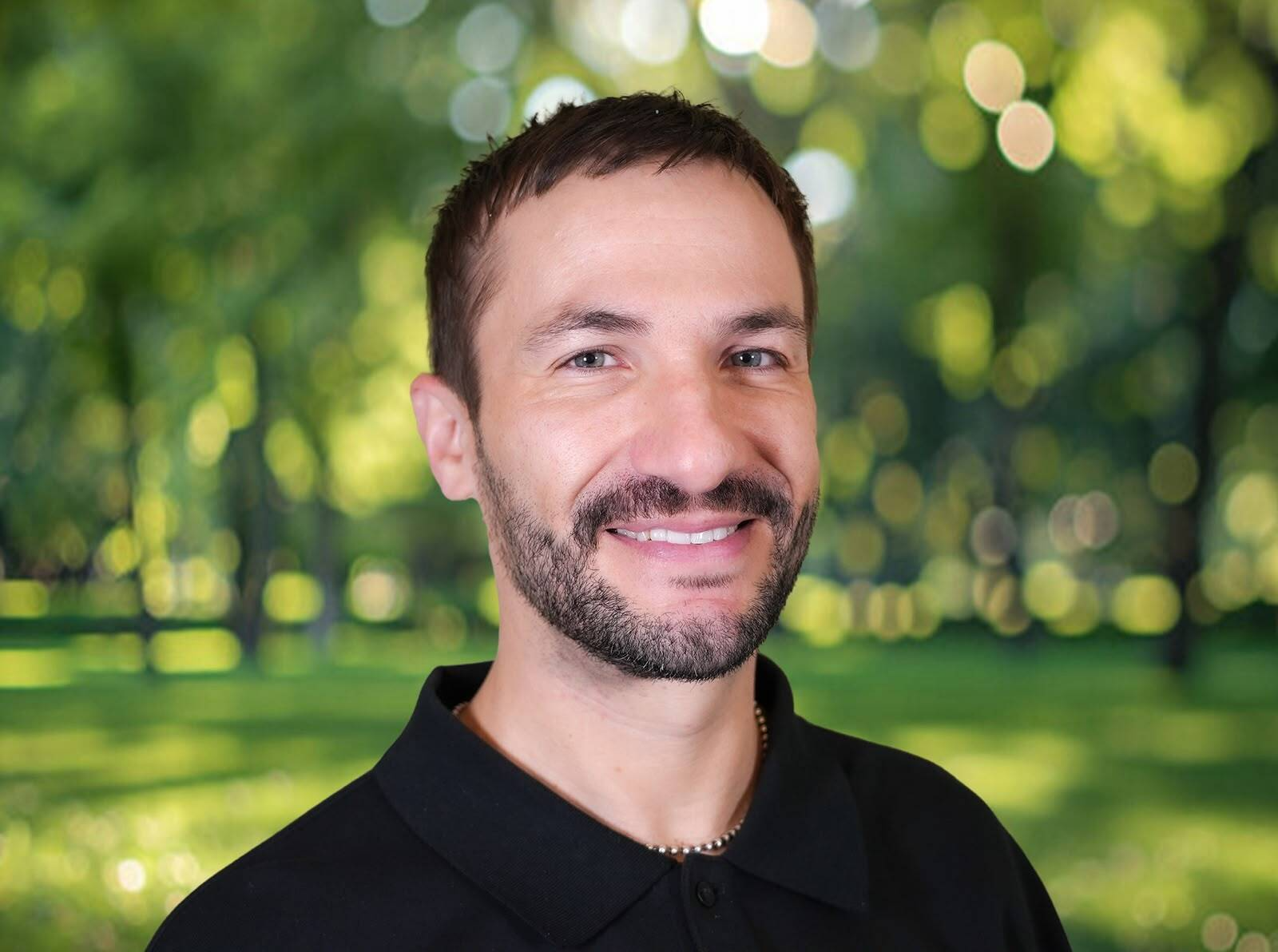
The People Behind the Program
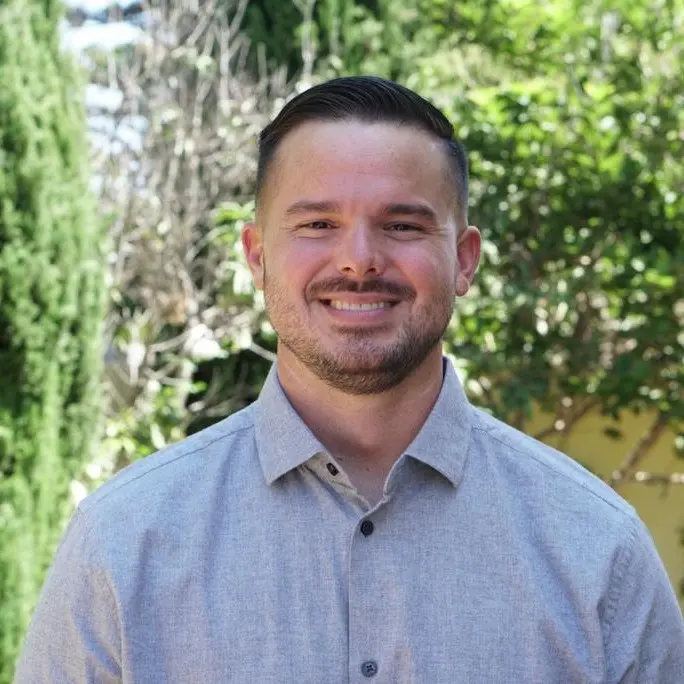
David Beasley
David Beasley is the founder and Program Director of Design for Recovery Sober Living Homes. Drawing from his own recovery experience, he created a structured, recovery-focused environment where men can rebuild their lives through accountability, mentorship, and personal growth.
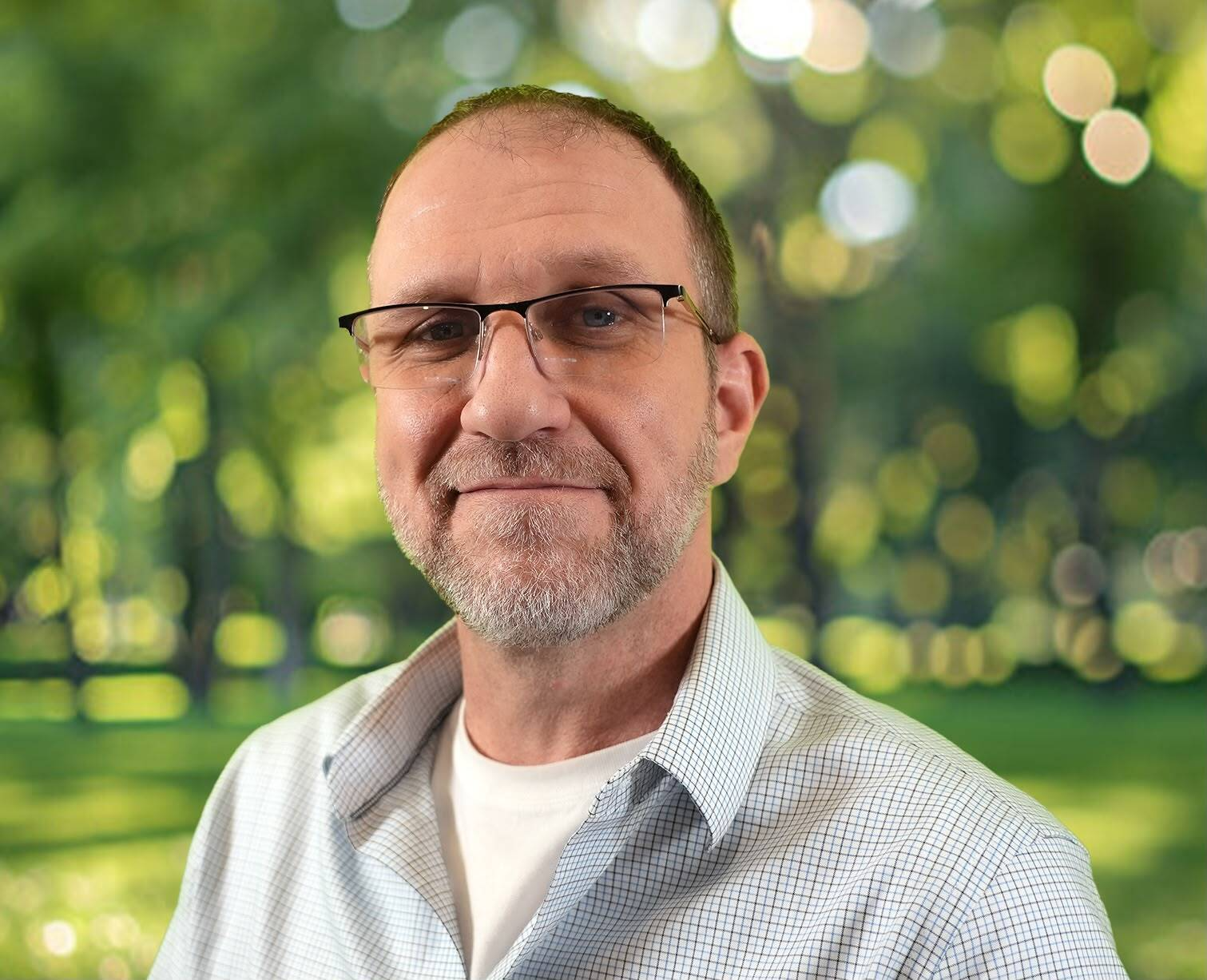
Matthew McCrystal
Matthew McCrystal oversees the daily operations of Design for Recovery, helping ensure every residence provides a safe, structured, and supportive environment. He brings both professional leadership and lived recovery experience to his role.
What We Offer

Employment Support
Rebuilding a career often becomes an important milestone during recovery. We help residents explore job opportunities, strengthen resumes, prepare for interviews, and maintain the consistency needed to succeed in the workplace.

Life and Recovery Skills
Independent living requires practical skills as much as sobriety. Residents strengthen daily habits like planning, communication, budgeting, and personal responsibility while living in a supportive recovery community.

12-Step Programming
Recovery meetings become more meaningful when they're part of everyday life. Residents are encouraged to build sponsor relationships, participate consistently, and apply 12-Step principles both inside and outside the home.

One-on-One Mentoring
Individual mentoring provides a space for honest conversations, personal reflection, and guidance through the everyday challenges that naturally arise during recovery.

Money Management
Financial independence is an important part of rebuilding life after addiction. Residents learn practical budgeting strategies, responsible spending habits, and financial planning skills that support future independence.

Family Services
Healthy recovery often includes healthier family relationships. We help loved ones better understand the recovery process while encouraging communication built on trust, respect, and appropriate boundaries.

Medication Monitoring
Residents taking prescribed medication receive assistance maintaining consistent routines while staying connected with their prescribing healthcare professionals.

Life in Our Sober Living Homes
Living in a recovery home means sharing your environment with people who are actively working toward positive change. While everyone's goals are different, there's a shared understanding that growth happens through everyday actions. Residents encourage one another to stay committed, celebrate progress without comparison, and approach challenges with honesty rather than judgment.
One of the most valuable aspects of the experience is seeing recovery become part of ordinary life. Conversations in the kitchen, shared responsibilities around the home, and checking in after a long day all reinforce that support isn't limited to meetings or therapy sessions. It's something that becomes woven into everyday living.
Explore Our Sober Living Homes
Moving Forward Starts With a Simple Conversation
Tell Us About Your Situation
Everyone reaches out for a different reason, and our first priority is understanding yours. We'll talk through where you are in your recovery, answer your questions, and explain how Design for Recovery can support your next chapter.
Prepare for the Transition
If our program feels like the right fit, we'll guide you through the admissions process step by step. From house expectations and move-in details to costs and daily routines, we'll make sure you know exactly what to expect before arriving.
Make Yourself at Home
Your first days are about getting comfortable with your new surroundings, meeting the people you'll be living alongside, and settling into a routine that encourages growth, responsibility, and steady progress.
In Their Own Words
Alumni share what changed for them during their time with Design for Recovery.

Independence Is Built One Day at a Time
Many people think independence means handling everything on your own. In recovery, it's about developing the skills, judgment, and confidence to manage everyday life healthily. Sober living provides a place to practice those skills before taking the next step toward living independently.
Develop Better Problem-Solving Skills
Everyday situations present opportunities to make thoughtful decisions, communicate effectively, and work through challenges without falling back on old habits. Those experiences help strengthen your confidence over time.
Take Ownership of Your Daily Routine
Creating your own schedule, managing responsibilities, and following through on commitments helps build the consistency needed for long-term recovery and independent living.
Learn the Value of Healthy Accountability
Being surrounded by people who genuinely want to see you succeed makes it easier to stay focused on your goals. Accountability becomes less about rules and more about having people who encourage you to keep moving forward.
Leave With Practical Skills for Everyday Life
Recovery extends far beyond sobriety. Managing your time, maintaining healthy relationships, communicating openly, and balancing responsibilities are all skills that continue supporting your success after sober living.
Why Choose Sober Living Near Sherman Oaks?
Choosing sober living near Sherman Oaks allows you to remain connected to your career, family, healthcare providers, and recovery network while benefiting from the structure of a substance-free living environment.
Located in the heart of the San Fernando Valley, Sherman Oaks offers convenient access to major employment centers, educational institutions, and neighboring communities, making it easier to balance recovery with everyday responsibilities.
Transportation
Sherman Oaks is conveniently connected by US-101, Interstate 405, Ventura Boulevard, and Sepulveda Boulevard, providing easy access throughout the San Fernando Valley and greater Los Angeles. Metro buses and nearby Metro stations also make commuting to work, appointments, and recovery meetings convenient.
Cost of Living
Sherman Oaks has a higher cost of living than the national average, with housing representing the largest monthly expense. Its central location, established neighborhoods, and access to employment continue to make it one of the Valley's most desirable communities.
Weather
Sherman Oaks experiences warm summers, mild winters, and abundant sunshine throughout the year. Nearby parks, hiking trails, and recreational spaces provide opportunities to stay active while supporting a healthy recovery lifestyle.
Typical Drive from Sherman Oaks to Design for Recovery: 19 minutes approx
Community Services That Support Recovery
Recovery often becomes more sustainable when you have access to the right resources outside the home. Sherman Oaks offers a broad network of healthcare providers, colleges, career services, financial institutions, and community organizations that can help support your personal and professional goals while strengthening long-term recovery.
Healthcare
| Sherman Oaks Hospital | |
| 4929 Van Nuys Blvd | |
| (818) 981-7111 |
Education
| Sherman Oaks Martin Pollard Branch Library | |
| 14245 Moorpark St | |
| (818) 205-9716 |
Employment Resources
| DeVore Recruiting - Healthcare Recruiter Los Angeles | |
| 14900 Magnolia Blvd #58025 | |
| (818) 783-6981 |
Financial Services
| U.S. Bank Branch | |
| 14475 Ventura Blvd |
| Sherman Oaks Hospital | |
| 4929 Van Nuys Blvd | |
| (818) 981-7111 |
| Sherman Oaks Martin Pollard Branch Library | |
| 14245 Moorpark St | |
| (818) 205-9716 |
| DeVore Recruiting - Healthcare Recruiter Los Angeles | |
| 14900 Magnolia Blvd #58025 | |
| (818) 783-6981 |
| U.S. Bank Branch | |
| 14475 Ventura Blvd |

Recovery Support Resources in Sherman Oaks
Recovery is strengthened through connection. Throughout Sherman Oaks and the surrounding San Fernando Valley, residents can access peer support meetings and recovery organizations that provide encouragement, accountability, and lasting community.
Local Sober & Fun Spots Near Sherman Oaks
Recovery creates opportunities to spend your time with greater intention. Sherman Oaks offers everything from scenic hiking trails and neighborhood parks to fitness studios, cafés, bookstores, and community events, making it easier to build a fulfilling lifestyle without alcohol or drugs.
Outdoor Activities
| Longridge Park Trailhead | |
| 3600 Alomar Dr | |
| (323) 221-9944 |
Fitness & Wellness
| Rising Lotus Yoga | |
| 14148 Magnolia Blvd, Sherman Oaks, CA 91423, United States | |
| (818) 990-0282 |
Parks
| Hazeltine Park | |
| 14201 Huston St | |
| (818) 783-6721 |
Entertainment & Recreation
| Sherman Oaks Castle Park | |
| 4989 Sepulveda Blvd | |
| (818) 756-9459 |
Cultural & Social Venues
| Regal Sherman Oaks Galleria | |
| 15301 Ventura Blvd Bldg A, 3rd Floor, Suite, #300 | |
| (844) 462-7342 |
| Longridge Park Trailhead | |
| 3600 Alomar Dr | |
| (323) 221-9944 |
| Rising Lotus Yoga | |
| 14148 Magnolia Blvd, Sherman Oaks, CA 91423, United States | |
| (818) 990-0282 |
| Hazeltine Park | |
| 14201 Huston St | |
| (818) 783-6721 |
| Sherman Oaks Castle Park | |
| 4989 Sepulveda Blvd | |
| (818) 756-9459 |
| Regal Sherman Oaks Galleria | |
| 15301 Ventura Blvd Bldg A, 3rd Floor, Suite, #300 | |
| (844) 462-7342 |
Local Public Health Trends in Sherman Oaks
Communities across Los Angeles continue to experience the effects of substance use in different ways.
Local public health reporting provides valuable context for understanding why recovery support, overdose prevention, and structured living environments remain important resources for people in and around Sherman Oaks.
Overdose Deaths
In Sherman Oaks, recent CDC provisional reporting shows 1,784 overdose deaths in the most recent 12-month reporting period, highlighting why relapse prevention and daily structure continue to matter.
Naloxone Distribution
Public health programs serving Sherman Oaks have distributed 22,882 naloxone kits, demonstrating the continued importance of overdose response resources within the community.
Opioid-Related Hospitalizations
The opioid-related hospitalization rate in Sherman Oaks is reported at 10.0 per 100k residents, reflecting how substance use can continue to result in serious medical emergencies.
Recovery Deserves a Strong Foundation
Finding the right recovery environment can influence every step that follows. If you're looking for structured sober living near Sherman Oaks, our admissions team is here to answer your questions, explain your options, and help you determine the next step that's right for you.

Frequently Asked Questions About Sober Living in Sherman Oaks
Yes. Many residents continue working with their existing therapists, physicians, and outpatient providers. Sober living is designed to complement your recovery plan, not replace it.
Evenings vary depending on each resident's schedule, but they often include recovery meetings, preparing meals, completing personal responsibilities, relaxing with housemates, and preparing for the next day.
It can be. If your work involves occasional travel, our admissions team can discuss your schedule and explain how it may fit within the home's expectations.
Alcoholics Anonymous, Narcotics Anonymous, SMART Recovery, and other peer support meetings are available throughout Sherman Oaks, Studio City, Van Nuys, Encino, and neighboring San Fernando Valley communities.
Many residents haven't. Living in a recovery home provides an opportunity to develop communication, respect, and shared responsibility while being part of a supportive community.
If you're looking for additional structure after treatment, want more accountability, or feel that a recovery-focused environment would strengthen your sobriety, speaking with our admissions team is a great place to start. They can help you determine whether sober living aligns with your goals.
Loading Instagram feed...