(424) 242-1130
Sober Living for Men in Norwalk, California
 Read Reviews
 What to Expect
 Get Local Help
Our Stats


Why Design for Recovery
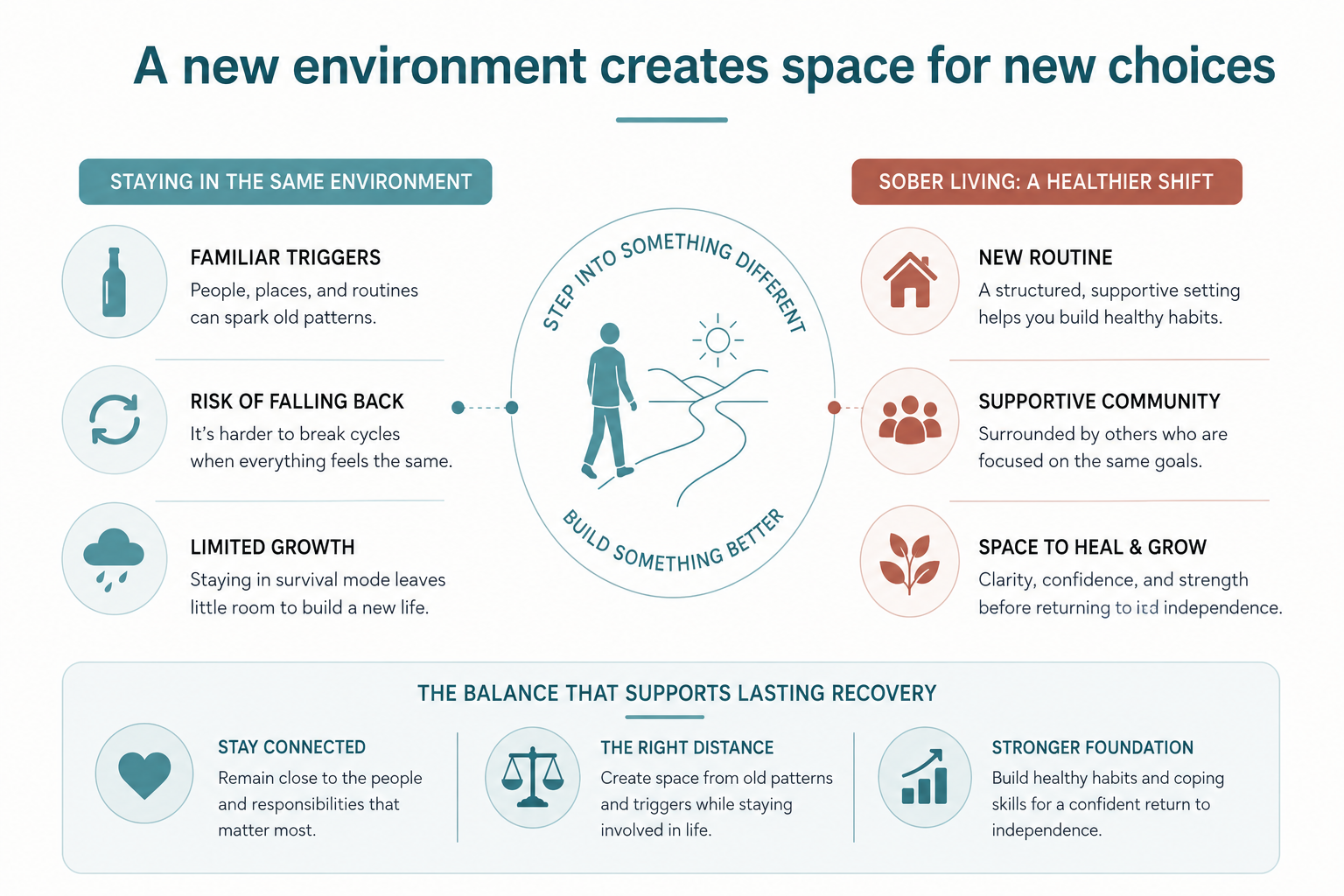
At Design for Recovery, we know that recovery isn't measured by where you start. It's shaped by the environment you choose and the habits you develop along the way. Our sober living homes combine structure, accountability, and community to help men continue making meaningful progress every day.
The Foundation Behind Our Program
Structured LivingConsistent routines and clear expectations help create stability and make healthy habits easier to maintain.
Meaningful AccountabilityResidents are encouraged to take ownership of their recovery while receiving support from staff and peers.
Recovery-Focused CommunityLiving alongside other men working toward similar goals creates connection, encouragement, and mutual support throughout recovery.
Growth Through IndependenceEvery step is designed to help residents strengthen life skills, build confidence, and prepare for independent living.
Recovery Becomes Stronger Through Consistency
Motivation naturally changes from day to day, but consistency is what keeps recovery moving forward. Having a regular schedule, a supportive environment, and people who encourage positive choices makes it easier to continue progressing even on difficult days.
For men coming from Norwalk, sober living offers that consistency while allowing them to stay connected to work, family, education, and the responsibilities that matter most.
Take a Look Inside Our Sober Living Homes


The People Behind the Program
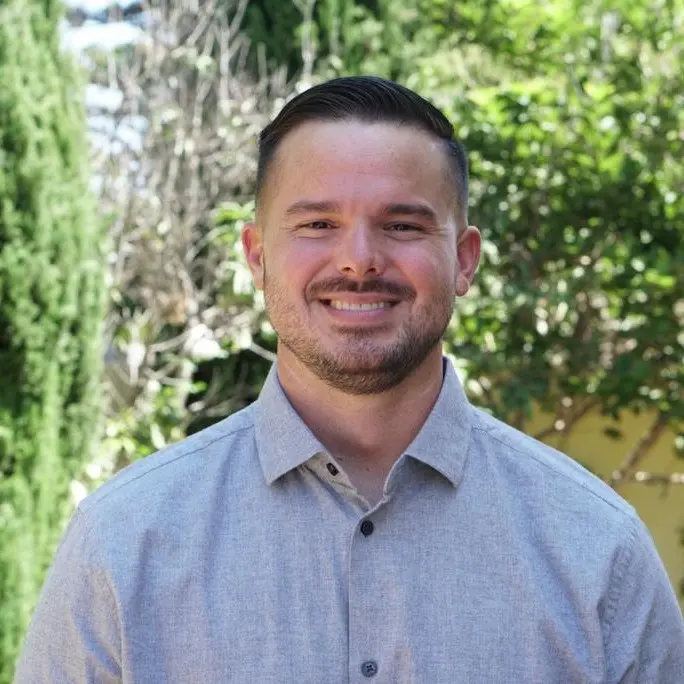
David Beasley
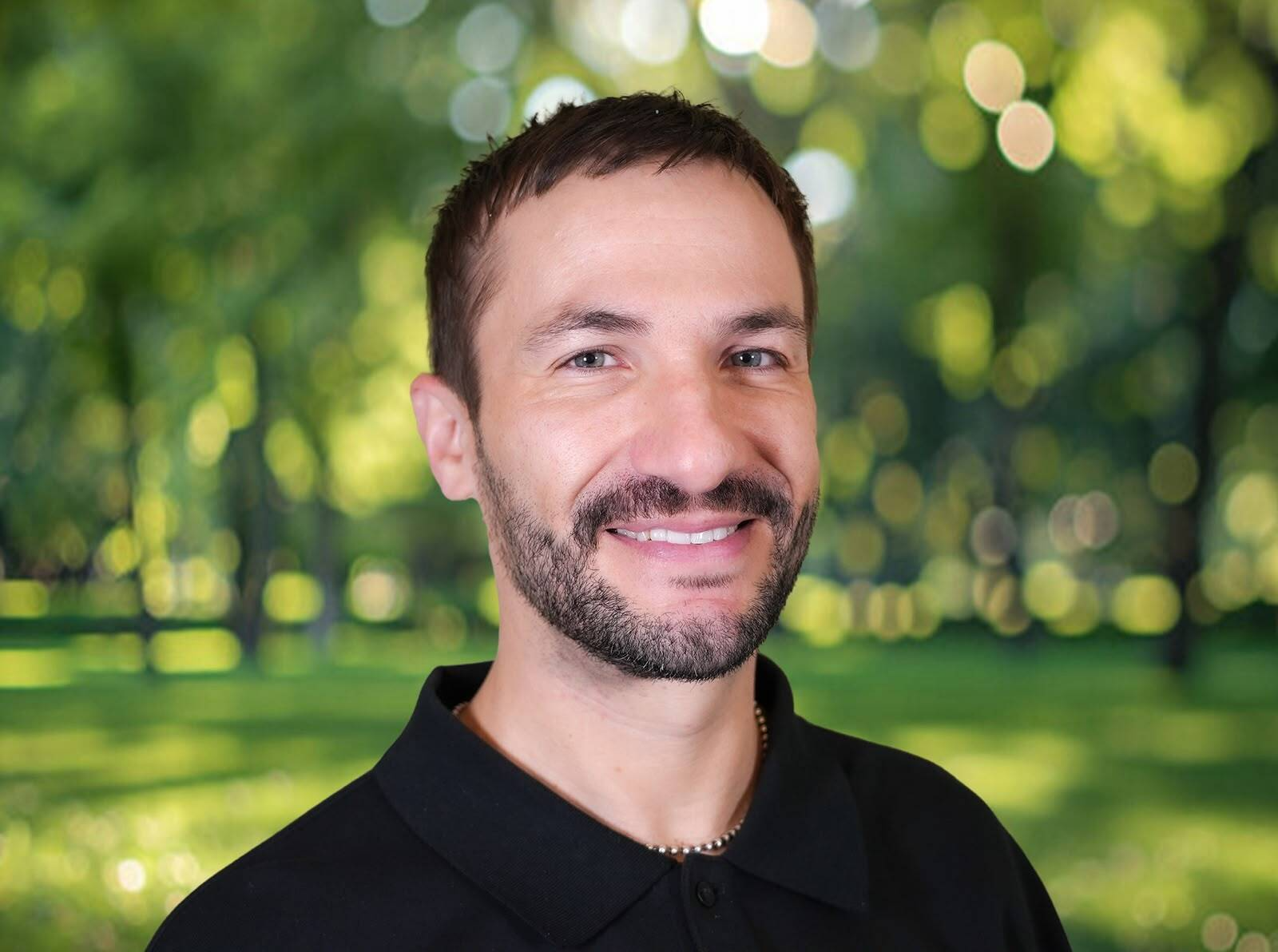
David Beasley is the founder and Program Director of Design for Recovery Sober Living Homes. Drawing from his own recovery experience, he created a structured, recovery-focused environment where men can rebuild their lives through accountability, mentorship, and personal growth.
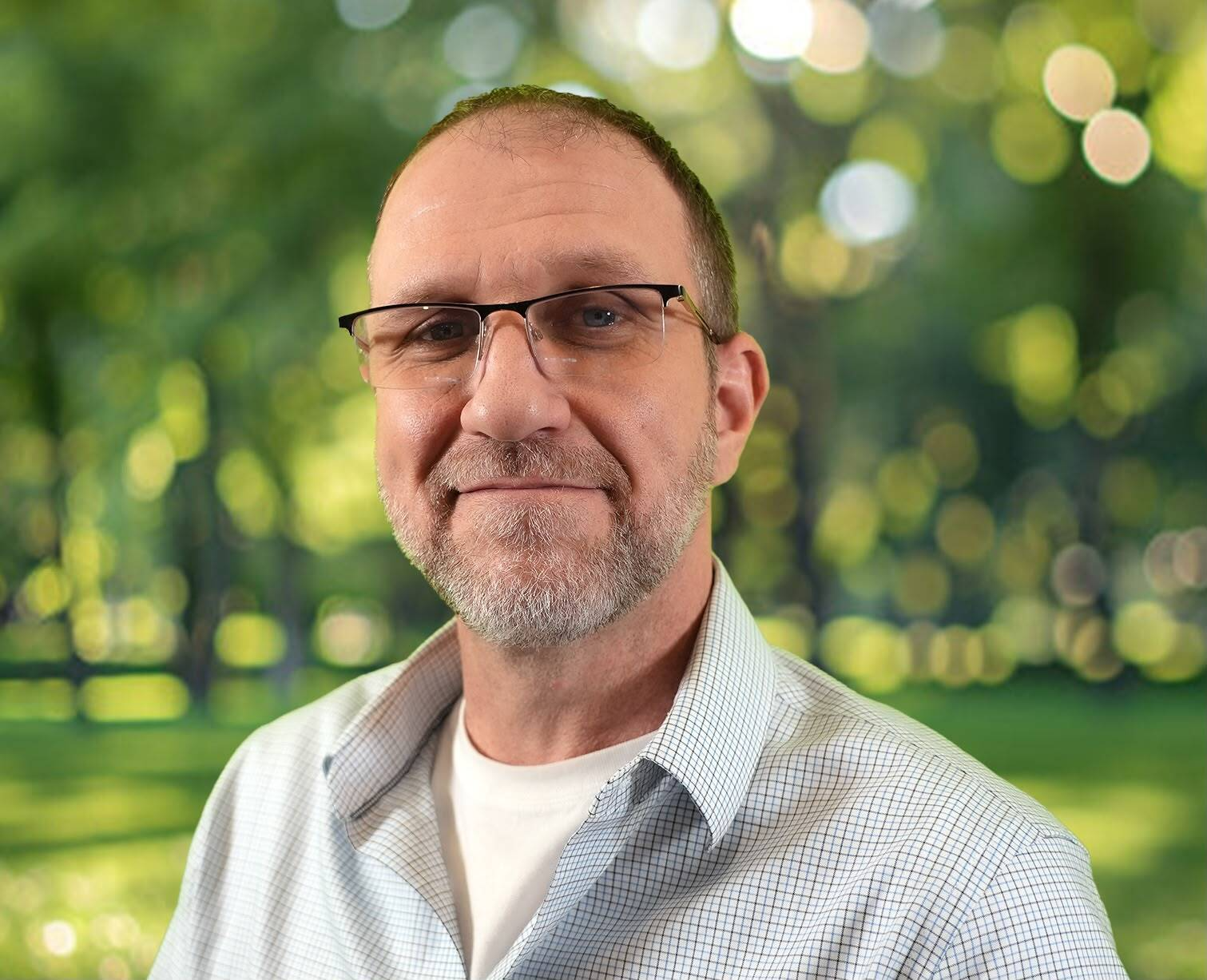
Matthew McCrystal
Matthew McCrystal oversees the daily operations of Design for Recovery, helping ensure every residence provides a safe, structured, and supportive environment. He brings both professional leadership and lived recovery experience to his role.
What We Offer

Employment Support
Employment often restores routine, confidence, and independence. We help residents search for jobs, improve resumes, prepare for interviews, and stay focused as they establish new professional goals.

Life and Recovery Skills
Recovery becomes more sustainable when everyday responsibilities feel achievable. Residents continue developing practical skills such as budgeting, communication, planning, and personal accountability while living in a structured environment.

12-Step Programming
Regular meeting attendance, sponsor relationships, and active participation in the recovery community help residents continue strengthening their sobriety beyond the home itself.

One-on-One Mentoring
Individual mentoring gives residents dedicated time to discuss personal challenges, reflect on progress, and receive guidance that supports continued personal development.

Money Management
Learning to manage finances responsibly helps reduce stress and supports greater independence. Residents build budgeting, saving, and planning habits that remain valuable long after sober living.

Family Services
Healthy family relationships often become stronger through understanding and communication. We help families learn how to support recovery while maintaining appropriate expectations and boundaries.

Medication Monitoring
Residents prescribed medication receive assistance maintaining treatment routines while remaining connected with their healthcare providers.

Life in Our Sober Living Homes
A recovery home isn't defined by a building. It's defined by the people who create it. Every resident helps shape an environment where respect, honesty, and encouragement become part of everyday life. Those shared values make it easier to celebrate progress, work through setbacks, and continue growing together.
Residents also learn that recovery isn't something they have to carry on their own. Whether it's preparing for a busy week, talking through a challenge, or celebrating a milestone, there's always someone who understands what the journey looks like because they're walking it too.
Explore Our Sober Living Homes
Taking the Next Step Starts Here
Reach Out When You're Ready
Our admissions process begins with a conversation. We'll learn more about your current situation, answer your questions, and help you understand how Design for Recovery can support your recovery goals.
Prepare for What's Ahead
Once we've confirmed our program is a good fit, we'll explain everything you need to know before moving in. From house expectations and daily schedules to costs and logistics, you'll know exactly what to expect before your first day.
Become Part of the Community
After moving in, you'll meet your housemates, get familiar with the home, and begin participating in the routines that help create consistency, responsibility, and personal growth throughout recovery.
In Their Own Words
Alumni share what changed for them during their time with Design for Recovery.

Recovery Is Built in Everyday Moments
Long-term recovery isn't defined by one major breakthrough. It's shaped by the choices you make when life feels ordinary. Going to work, keeping appointments, preparing meals, attending meetings, and following through on commitments all reinforce the habits that support lasting sobriety. Sober living provides a place to practice those habits until they become second nature.
Turn Healthy Choices Into Daily Habits
The more consistently you practice positive routines, the less they feel like effort. Over time, healthy decisions become part of your normal day rather than something you constantly have to think about.
Learn to Work Through Challenges Productively
Unexpected situations are part of life. Recovery gives you the opportunity to respond with patience, communication, and problem-solving instead of reacting impulsively.
Find Value in Everyday Progress
Growth isn't always measured by major milestones. Sometimes progress is simply handling a difficult conversation well, following through on responsibilities, or ending the day knowing you stayed committed to your recovery.
Build a Lifestyle That Supports Sobriety
Long-term recovery becomes more sustainable when your daily life reflects your goals. The habits developed in sober living help create a routine that continues supporting you after you move into independent housing.
Why Choose Sober Living Near Norwalk?
Choosing sober living near Norwalk allows you to remain connected to your work, family, healthcare providers, and recovery network while benefiting from the stability of a structured recovery environment.
Conveniently located in southeast Los Angeles County, Norwalk provides easy access to neighboring communities, major transportation routes, and essential services, making it easier to continue building your life while strengthening your recovery.
Transportation
Norwalk is one of the region's major transportation hubs, with access to Interstate 5, Interstate 605, State Route 91, the Metro C Line (Green Line), Metrolink connections, and Norwalk Transit. These options make commuting to work, treatment, and recovery meetings convenient throughout Los Angeles County.
Cost of Living
Norwalk's cost of living is higher than the national average, with housing making up the largest portion of monthly expenses. Its central location and excellent transportation access continue to make it a practical place to live for commuters across the region.
Weather
Norwalk experiences warm summers, mild winters, and sunshine for much of the year. Parks, community recreation areas, and nearby outdoor spaces provide opportunities to stay active while supporting a healthy recovery lifestyle.
Typical Drive from Norwalk to Design for Recovery: 23 minutes approx (depending on traffic)
Community Services That Support Recovery
Recovery often becomes more manageable when the right resources are close by. Norwalk offers access to hospitals, colleges, career development programs, financial institutions, and community organizations that can help support your personal, professional, and recovery goals as you continue rebuilding your life.
Healthcare
| Norwalk Community Hospital | |
| 13222 Bloomfield Ave | |
| (562) 863-4763 |
Education
| Norwalk Library | |
| 12350 Imperial Hwy. | |
| (562) 868-0775 |
Employment Resources
| Staffmark | |
| 11005 Firestone Blvd Ste 105 | |
| (562) 465-0099 |
Financial Services
| Credit Union of Southern California | |
| Imperial Hwy. |
Community & Social Services
| City of Norwalk Social Services Center | |
| 11929 Alondra Blvd | |
| (562) 929-5544 |
| Norwalk Community Hospital | |
| 13222 Bloomfield Ave | |
| (562) 863-4763 |
| Norwalk Library | |
| 12350 Imperial Hwy. | |
| (562) 868-0775 |
| Staffmark | |
| 11005 Firestone Blvd Ste 105 | |
| (562) 465-0099 |
| Credit Union of Southern California | |
| Imperial Hwy. |
| City of Norwalk Social Services Center | |
| 11929 Alondra Blvd | |
| (562) 929-5544 |

Recovery Support Resources in Norwalk
A strong support network doesn't end at home. Throughout Norwalk and neighboring communities, residents have access to recovery meetings and peer support organizations that encourage connection, accountability, and continued personal growth.
Local Sober & Fun Spots Near Norwalk
Recovery is also about rediscovering how to enjoy your time. Whether you're spending an afternoon in a local park, exploring nearby trails, attending community events, or trying a new hobby, Norwalk offers opportunities to create healthy routines that don't revolve around alcohol or drugs.
Outdoor Activities
| Golf N' Stuff | |
| 10555 Firestone Blvd | |
| (562) 868-9956 |
Fitness & Wellness
| Golden Soul Yoga & Meditation | |
| 14528 Leibacher Ave, Norwalk, CA 90650, United States | |
| (562) 889-0884 |
Parks
| Norwalk Park | |
| 12155 Sproul St | |
| (562) 929-5702 |
Entertainment & Recreation
| Golf N' Stuff | |
| 10555 Firestone Blvd | |
| (562) 868-9956 |
Cultural & Social Venues
| Milagro Cinemas Norwalk | |
| 13917 Pioneer Blvd | |
| (562) 302-1213 |
| Golf N' Stuff | |
| 10555 Firestone Blvd | |
| (562) 868-9956 |
| Golden Soul Yoga & Meditation | |
| 14528 Leibacher Ave, Norwalk, CA 90650, United States | |
| (562) 889-0884 |
| Norwalk Park | |
| 12155 Sproul St | |
| (562) 929-5702 |
| Golf N' Stuff | |
| 10555 Firestone Blvd | |
| (562) 868-9956 |
| Milagro Cinemas Norwalk | |
| 13917 Pioneer Blvd | |
| (562) 302-1213 |
Local Public Health Trends in Norwalk
Understanding what's happening within the local community helps illustrate why recovery resources remain so important. These public health statistics provide insight into substance use trends in Norwalk and reinforce the continued value of overdose prevention, structured recovery, and ongoing community support.
Overdose Deaths
In Norwalk, recent CDC provisional reporting shows 1,784 overdose deaths in the most recent 12-month reporting period, highlighting why relapse prevention and daily structure continue to matter.
Naloxone Distribution
Public health programs serving Norwalk have distributed 22,882 naloxone kits, demonstrating the continued importance of overdose response resources within the community.
Opioid-Related Hospitalizations
The opioid-related hospitalization rate in Norwalk is reported at 10.0 per 100k per 100,000 residents, reflecting how substance use can continue to result in serious medical emergencies.
Build the Stability to Keep Moving Forward
Every recovery journey begins with a decision to choose a healthier future. If you're considering structured sober living near Norwalk, our admissions team is here to answer your questions, explain your options, and help you find the environment that best supports your goals.

Frequently Asked Questions About Sober Living in Norwalk
Yes. Norwalk's extensive transit network makes it easier for many residents to commute to work, outpatient treatment, recovery meetings, and other appointments while living in a structured recovery home.
Absolutely. Many residents balance education with recovery. A structured living environment can help you maintain a consistent routine while managing classes and other responsibilities.
Yes. Many residents commute from our homes to jobs throughout Southeast Los Angeles County. During the admissions process, we can discuss commute times and help you choose the location that best fits your needs.
Alcoholics Anonymous, Narcotics Anonymous, SMART Recovery, and other peer support meetings are available throughout Norwalk, Downey, Santa Fe Springs, Cerritos, and neighboring communities.
Yes. Healthy family relationships are encouraged whenever they support your recovery. Our team can explain how communication and visitation fit within each home's guidelines.
Your first week is about settling into the home, getting to know the other residents, learning the daily routine, and establishing a strong foundation for the weeks ahead. Most people find that having a clear structure makes the transition much easier.
Loading Instagram feed...