(424) 242-1130
Sober Living for Men in Lomita, California
 Read Reviews
 What to Expect
 Get Local Help
Our Stats


Why Design for Recovery
Recovery becomes part of everyday life through repeated choices, routines, and responsibilities. At Design for Recovery, residents have the opportunity to practice those parts of recovery in a structured home while gradually taking greater ownership of their lives.
Our approach is not about doing everything for residents. Instead, the structure creates a foundation where men can develop consistency, learn from challenges, and become more confident handling the responsibilities that come with long-term sobriety.
The Foundation Behind Our Program
Structured LivingA consistent home environment gives residents a framework for organizing recovery alongside work, treatment, meetings, and personal commitments.
Meaningful AccountabilityResidents are encouraged to follow through on what they commit to and use accountability as an opportunity to recognize patterns and make better decisions.
Recovery-Focused CommunitySharing a home with other men in recovery creates opportunities for honest conversations, encouragement, and connection with people who understand the process.
Growth Through IndependenceResidents gradually assume more responsibility for their routines, decisions, and obligations as they prepare for a less structured stage of life.
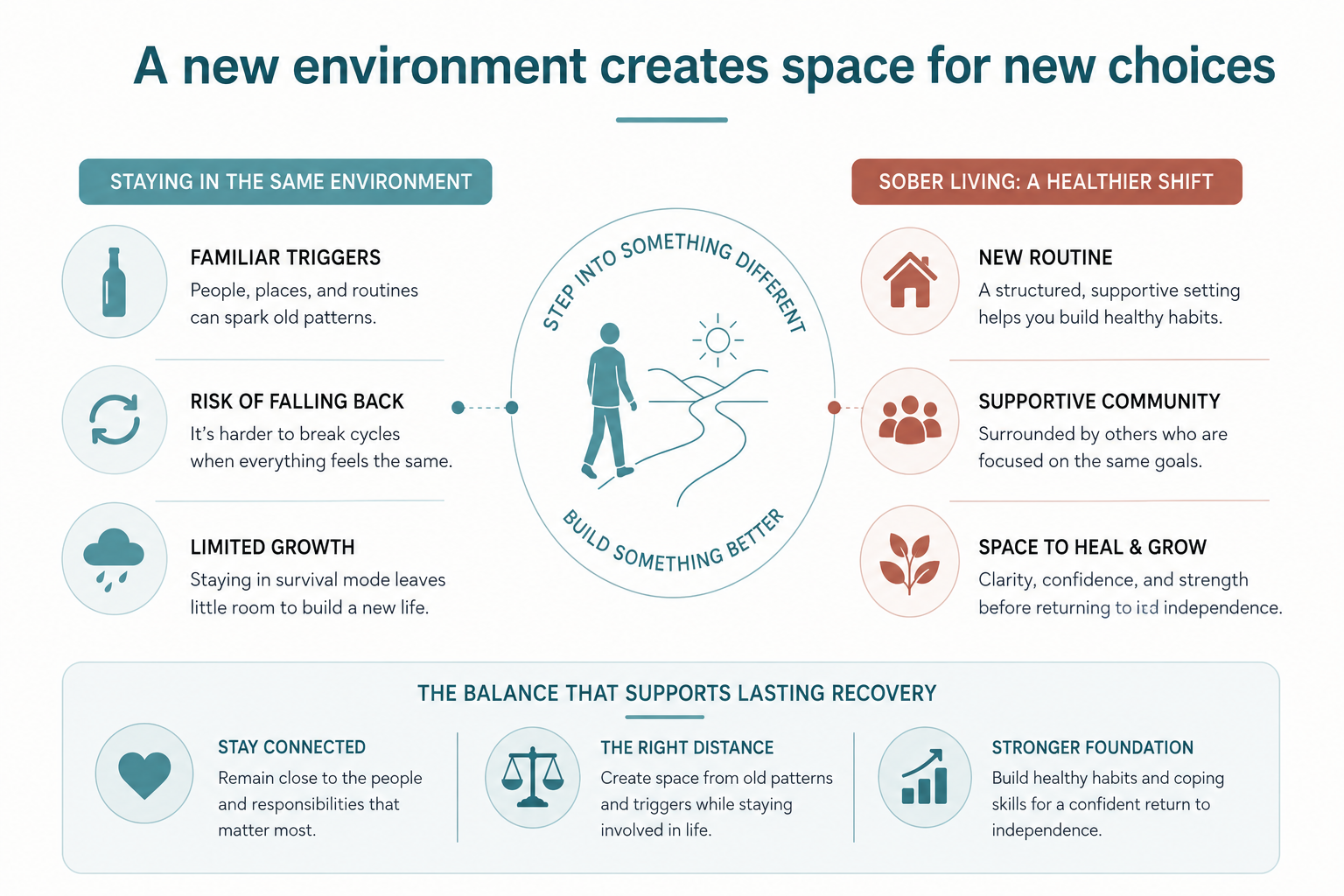
Understanding Triggers and Building Better Responses
Triggers can be connected to familiar people, places, routines, or situations, but they can also come from emotions such as stress, anger, loneliness, or frustration. Learning to recognize these patterns can make it easier to respond before cravings or difficult emotions become overwhelming.
A sober living environment provides an opportunity to practice those responses in real time. Residents can identify what tends to affect them, use healthier coping strategies, and seek support when they need another perspective.
The aim is not simply to avoid every trigger. It is to become better equipped to recognize them and make choices that protect recovery.
Take a Look Inside Our Sober Living Homes


Meet the Team Behind Design for Recovery
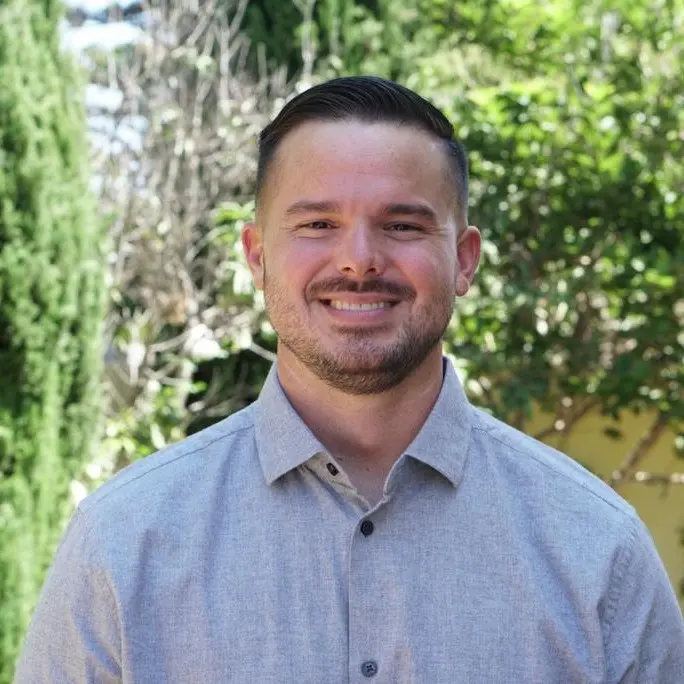
David Beasley
David Beasley is the founder and Program Director of Design for Recovery Sober Living Homes. Drawing from his own recovery experience, he created a structured, recovery-focused environment where men can rebuild their lives through accountability, mentorship, and personal growth.

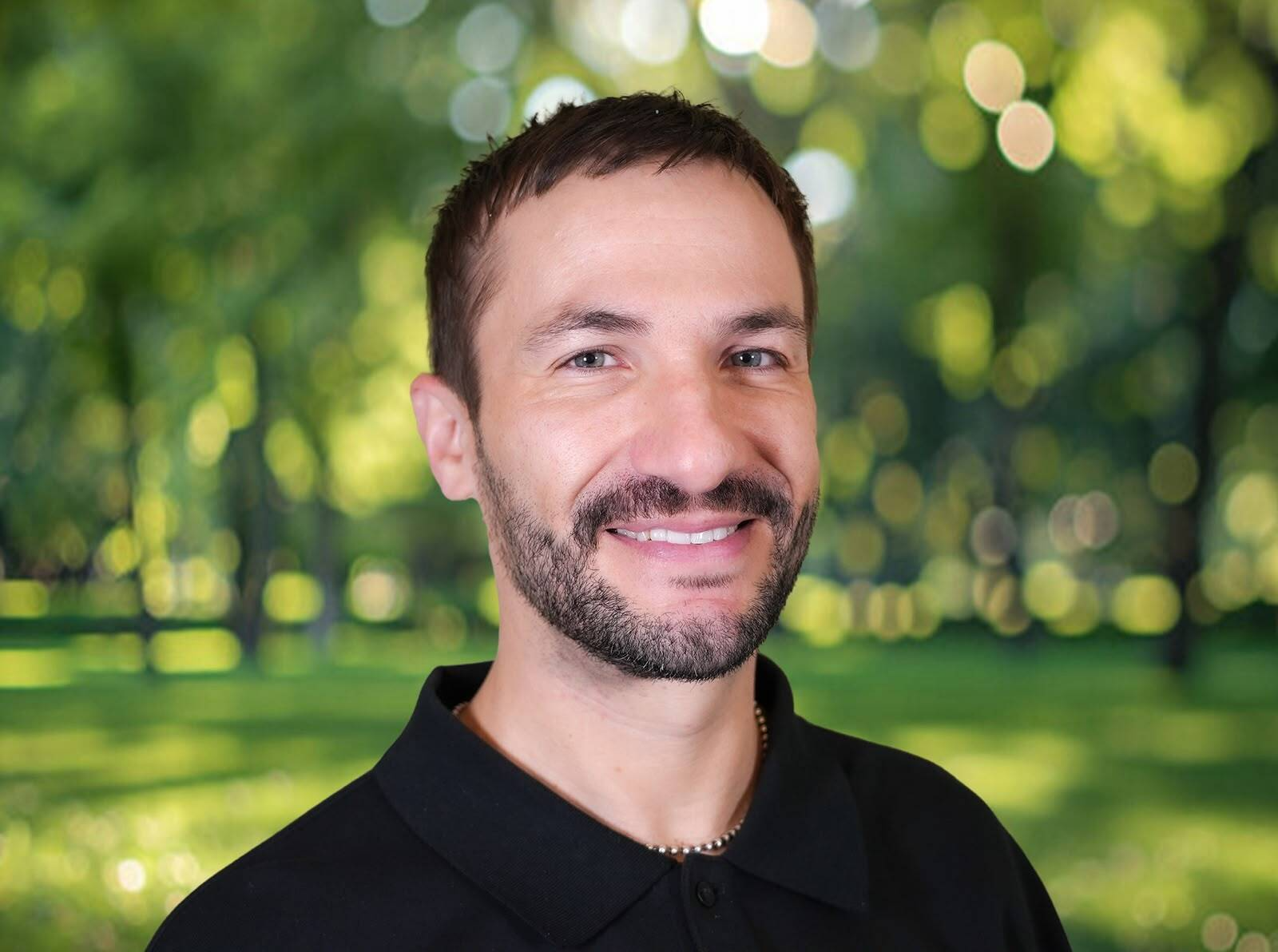
Matthew McCrystal
Matthew McCrystal oversees the daily operations of Design for Recovery, helping ensure every residence provides a safe, structured, and supportive environment. He brings both professional leadership and lived recovery experience to his role.
What We Offer

Employment Support
Residents can receive assistance with finding work, preparing applications and interviews, and developing the consistency needed to balance employment with recovery.

Life Skills
Practical guidance helps residents manage schedules, household responsibilities, communication, organization, and the everyday decisions involved in becoming more independent.

12-Step Integration
Residents are encouraged to establish regular meeting attendance, develop sponsorship, and stay actively connected to a 12-Step recovery community.

One-on-One Mentoring
Individual mentoring offers residents dedicated support for discussing challenges, evaluating progress, working through setbacks, and setting realistic goals.

Money Management
Residents can build stronger financial habits by learning to budget, plan for expenses, manage spending, and prepare for greater financial responsibility.

Family Support
Guidance can help residents approach family relationships with greater patience, clearer boundaries, and consistent actions that support rebuilding trust.

Medication Monitoring
Residents can receive appropriate support in maintaining prescribed medication routines while continuing to coordinate with their healthcare providers.

Life in Our Sober Living Homes
Life at Design for Recovery gives residents a chance to practice recovery while managing the ordinary demands of life. A typical day may include work, treatment, meetings, exercise, errands, personal interests, or time with supportive people.
The home provides a consistent foundation around those activities. Residents are responsible for managing their own schedules and commitments while remaining accountable to the expectations of the household.
Over time, those everyday experiences can help residents understand what routines work for them, where they still need support, and how they want to structure their lives after sober living. The goal is to make the transition toward independence feel practical rather than abrupt.
Explore Our Sober Living Homes
Your Path to Admissions
Start With a Conversation
Reach out to our admissions team to share where you are in recovery, what you're looking for in a sober living environment, and what you hope to work toward.
Understand the Program
We'll explain current availability, house expectations, admissions requirements, and what day-to-day life at Design for Recovery can look like.
Prepare for Your Transition
Once you've decided to move forward, we'll guide you through the remaining admissions steps and help you get ready for life in the home.
In Their Own Words
Hear from residents about the routines, relationships, and experiences that have shaped their time in recovery.

Making Space for a Healthier Life
As recovery becomes more established, there can be more room to focus on the parts of life that matter outside of treatment. Building stability can change how you approach your relationships, responsibilities, time, and future.
Rebuild Trust Through Consistency
Following through on commitments and being more present can help create a foundation for healthier relationships.
Create Structure That Works for You
Developing dependable routines around work, recovery, rest, and personal responsibilities can make everyday life easier to manage.
Rediscover Your Interests
Having more time and clarity can make it possible to explore hobbies, exercise, recreation, and other activities that bring enjoyment to your routine.
Prepare for What's Next
As you become more comfortable managing your responsibilities, you can begin taking greater ownership of your finances, career, relationships, and plans for independent living.
Why Choose Sober Living Near Lomita?
Lomita is a compact South Bay community at the base of the Palos Verdes Peninsula. It borders Los Angeles, Torrance, Rolling Hills Estates, and Rancho Palos Verdes, giving residents access to several surrounding communities while retaining its own small-town character.
Transportation
Lomita has connections to surrounding communities through roadways and local transit corridors, including Pacific Coast Highway, Crenshaw Boulevard, Lomita Boulevard, and Narbonne Avenue. The city's mobility plan also identifies public transportation and active transportation as part of its local circulation system.
Cost of Living
Lomita's housing market reflects its South Bay location. The city reports a current median home value of $604,300 in its own fast facts, while the 2024 Census profile reports a median household income of $93,810. These figures provide a more useful local picture than simply describing the city as “expensive.”
Weather
Lomita benefits from the South Bay's generally mild coastal climate. The city's own materials describe it as having coastal weather and emphasize its location near the Palos Verdes Peninsula.
For men from Lomita, sober living nearby can provide a different home environment while keeping access to work, treatment, family, and the broader South Bay.
Typical Drive from Lomita to Design for Recovery: 27 min approx
Community Services That Support Recovery
Recovery often involves rebuilding practical areas of life alongside sobriety. Lomita and the surrounding South Bay provide access to healthcare, employment, education, financial services, and community resources that can support that process.
Education
| Lomita Library | |
| 24200 Narbonne Ave | |
| (310) 539-4515 |
Financial Services
| First Citizens Bank | |
| 2300 Pacific Coast Hwy |
Community & Social Services
| His Helping Hands - Food Distribution Center | |
| 25501 Oak St | |
| (310) 326-2757 |
| Lomita Library | |
| 24200 Narbonne Ave | |
| (310) 539-4515 |
| First Citizens Bank | |
| 2300 Pacific Coast Hwy |

Recovery Support Resources in Lomita
Support does not have to stop at the door of a sober living home. Residents can build connections with recovery and mental-health resources throughout Lomita and the surrounding South Bay communities.
Local Sober & Fun Spots Near Lomita
Lomita has an active community and recreation program, with city programming that includes walking groups, movies, concerts, sports, and events at local parks and community spaces.
Fitness & Wellness
| True Pilates Torrance | |
| 24317 Pennsylvania Ave UNIT 202 | |
| (310) 463-6229 |
Parks
| Lomita Park | |
| 24428 Eshelman Ave | |
| (310) 326-0140 |
Cultural & Social Venues
| Lomita Railroad Museum | |
| 2137 250th St | |
| (310) 326-6255 |
| True Pilates Torrance | |
| 24317 Pennsylvania Ave UNIT 202 | |
| (310) 463-6229 |
| Lomita Park | |
| 24428 Eshelman Ave | |
| (310) 326-0140 |
| Lomita Railroad Museum | |
| 2137 250th St | |
| (310) 326-6255 |
Local Public Health Trends in Lomita
Substance use remains a public health concern across Los Angeles County, including the South Bay. County-level data can provide broader context for overdose, treatment, and recovery needs in the communities surrounding Lomita.
Overdose Deaths
Recent reporting shows 1,784 overdose deaths during the most recent reporting period.
Naloxone Distribution
Public health programs serving the Lomita area have distributed 22,882 naloxone kits, supporting access to overdose-response resources.
Opioid-Related Hospitalizations
The opioid-related hospitalization rate for the relevant local area is reported at 10.0 per 100k, providing another measure of the impact of opioid use in the community.
Finding Your Own Direction in Recovery
Your goals can change as you become more stable. You may initially be focused on creating a routine and maintaining sobriety, then begin putting more attention toward work, relationships, finances, personal interests, or preparing for independent living.
Design for Recovery provides a structured environment where those priorities can develop alongside accountability, peer connection, and continued recovery.
If you're exploring sober living near Lomita, our team can help you understand the program and what the next step could look like.

Frequently Asked Questions About Sober Living in Lomita
Lomita has a relatively small footprint and a distinct neighborhood character while sitting close to larger communities such as Torrance and Rancho Palos Verdes. That combination can appeal to someone who wants access to the wider South Bay without being in a large urban setting.
Yes. Residents can maintain employment while living at Design for Recovery. Your work location, schedule, and transportation needs can be discussed during admissions.
Transportation options exist along several of Lomita's main corridors, and the city incorporates public transit into its broader mobility planning. The most practical option will depend on your work, treatment, and meeting locations.
Yes. Maintaining supportive relationships can be an important part of recovery. Living in the broader South Bay can allow residents to remain connected while having a separate home environment focused on sobriety.
Yes. Lomita's parks and recreation programming includes activities and community events throughout the year, providing opportunities to develop interests and spend time outside formal recovery activities.
Yes. Residents can continue appropriate outpatient treatment, therapy, and healthcare appointments while living at Design for Recovery.
Loading Instagram feed...