(424) 242-1130
Sober Living for Men in Lawndale, California
 Read Reviews
 What to Expect
 Get Local Help
Our Stats


Why Design for Recovery?
A strong recovery environment should give residents room to take responsibility while still having support when they need it. Design for Recovery combines clear house expectations with peer connection and opportunities to practice the skills that make independent living more manageable.
The Foundation Behind Our Program
Structured LivingClear expectations and consistent routines provide a dependable framework for everyday life.
Meaningful AccountabilityResidents take responsibility for their choices while having support available when challenges arise.
Recovery-Focused CommunityLiving alongside other men in recovery creates opportunities for connection, encouragement, and shared understanding.
Growth Through IndependenceDaily responsibilities help residents develop the skills needed to manage life independently.
Recovery Doesn't Have to Mean Putting Your Life on Hold
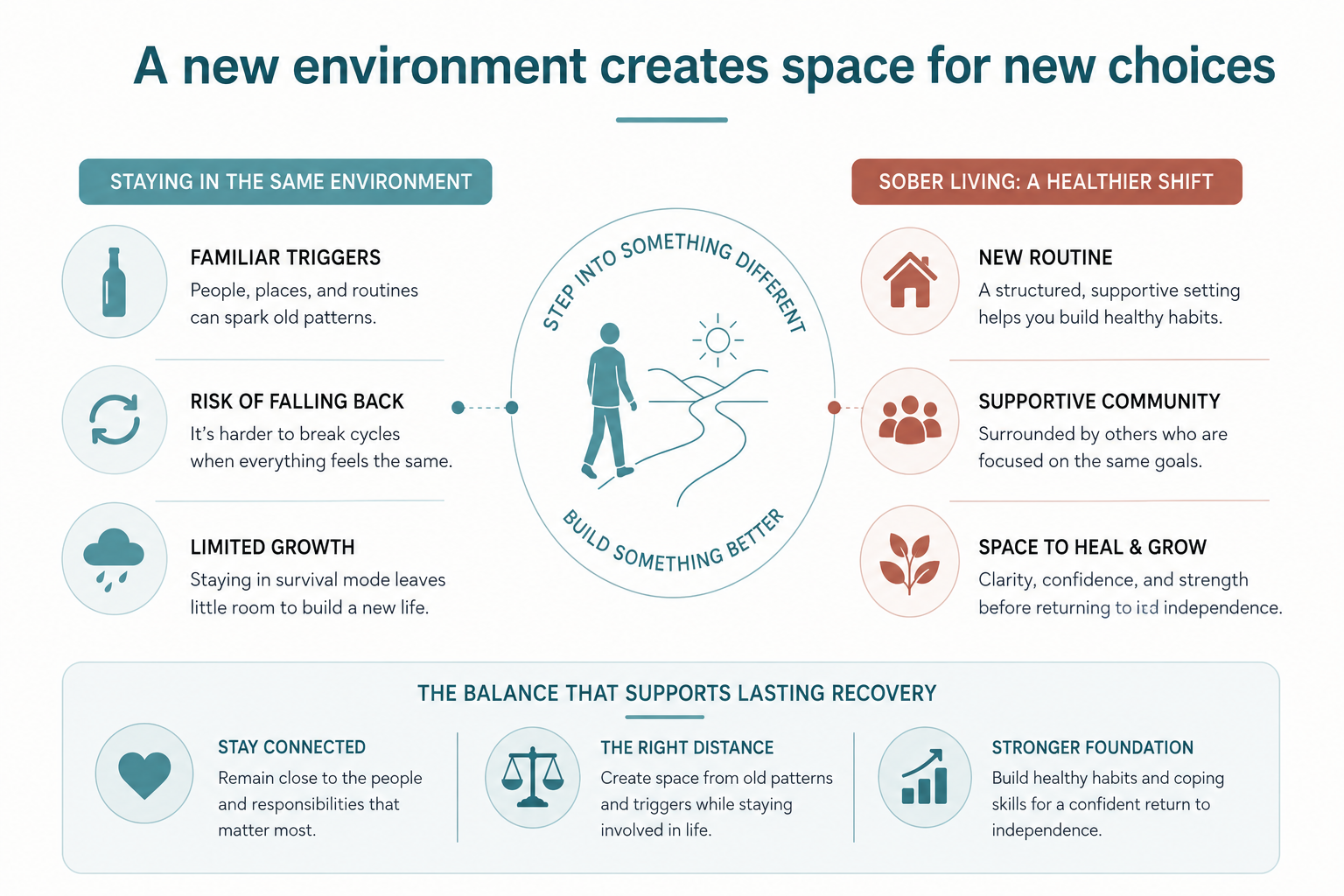
The people, places, and routines surrounding you can make a difference during recovery. Returning to an environment connected to past substance use or unhealthy habits can make it harder to maintain the changes you've worked toward. A sober living home creates some distance from those influences while surrounding you with people and expectations that support healthier choices.
For men from Lawndale, a structured recovery environment can provide that separation without requiring a complete disconnect from the South Bay. It gives you a place where recovery remains part of everyday life while you gradually establish new patterns.
Take a Look Inside Our Sober Living Homes


The People Behind the Program
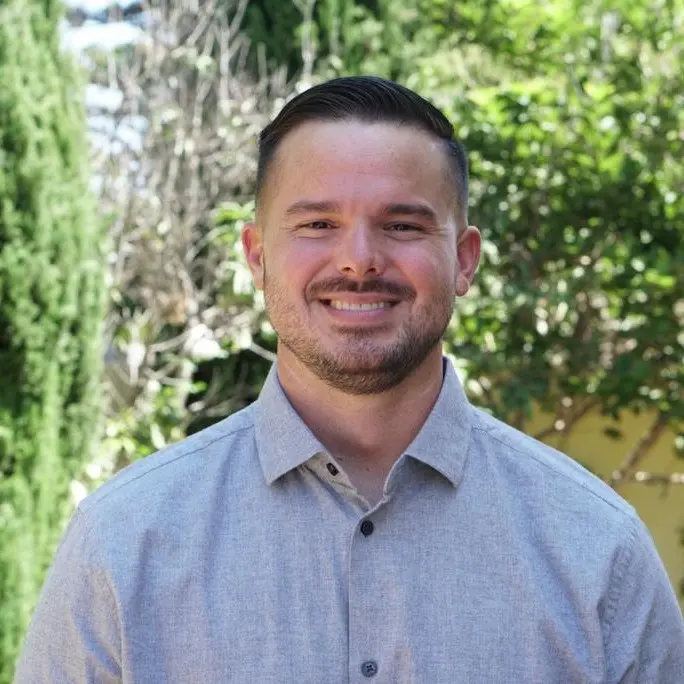
David Beasley
David Beasley is the founder and Program Director of Design for Recovery Sober Living Homes. Drawing from his own recovery experience, he created a structured, recovery-focused environment where men can rebuild their lives through accountability, mentorship, and personal growth.
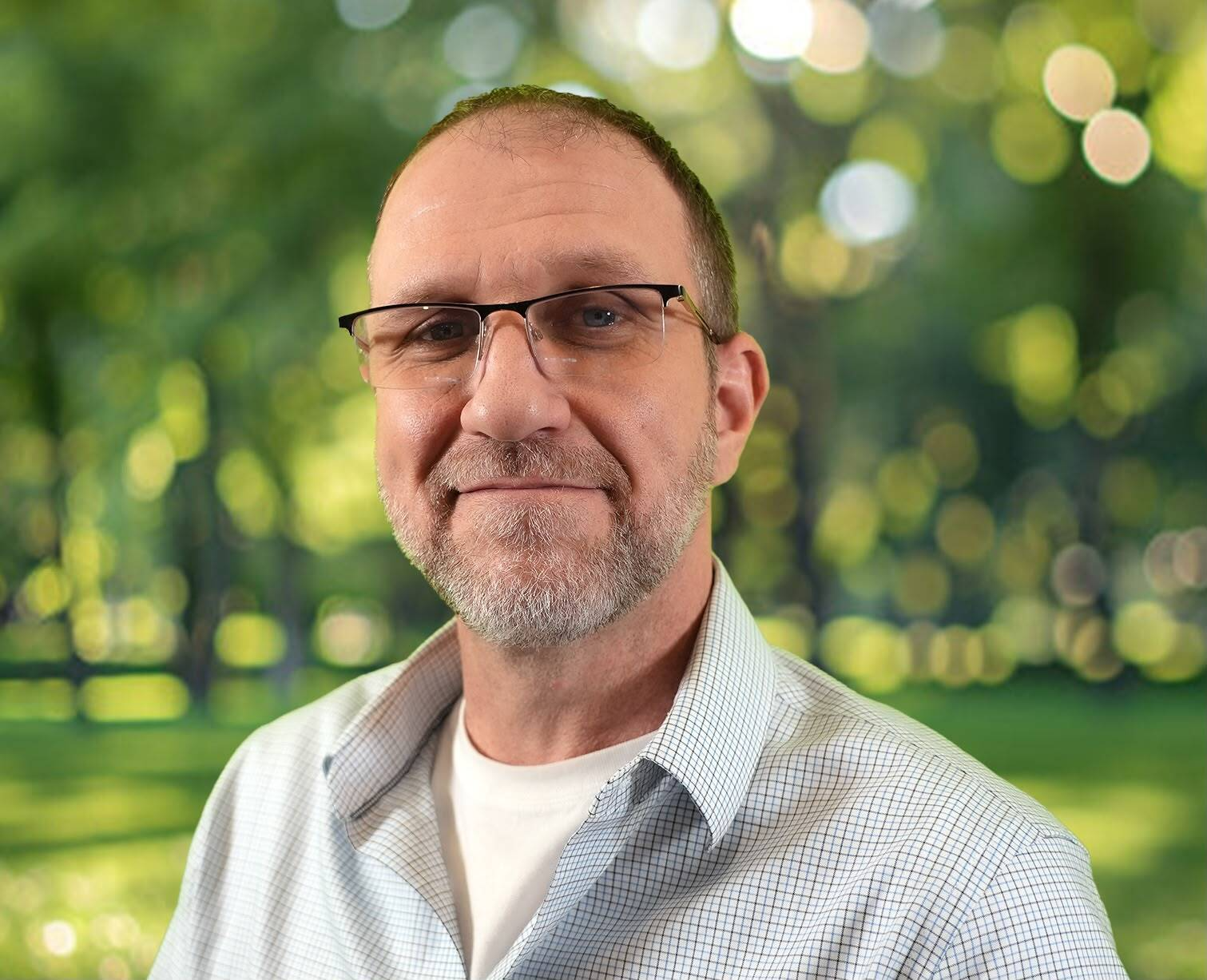
Matthew McCrystal
Matthew McCrystal oversees the daily operations of Design for Recovery, helping ensure every residence provides a safe, structured, and supportive environment. He brings both professional leadership and lived recovery experience to his role.
What We Offer

Employment Support
Returning to work can create structure, purpose, and renewed motivation. We help residents prepare for interviews, strengthen resumes, identify employment opportunities, and stay accountable as they settle into new routines.

Life and Recovery Skills
Personal growth happens through everyday practice. Residents strengthen practical skills such as communication, organization, budgeting, and time management while living in a structured recovery community.

12-Step Programming
Residents are encouraged to actively participate in the 12-Step community through regular meeting attendance, sponsor relationships, and applying recovery principles throughout daily life.

One-on-One Mentoring
Individual mentoring provides dedicated time for guidance, encouragement, and honest conversations about the challenges and successes that come with recovery.

Money Management
Building healthy financial habits helps reduce unnecessary stress while preparing residents for greater independence after sober living.

Family Services
Recovery often creates opportunities to rebuild trust within families. We help loved ones develop healthier communication, realistic expectations, and supportive boundaries.

Medication Monitoring
Residents taking prescribed medication receive assistance maintaining consistent treatment routines while staying connected with their healthcare providers.

Life in Our Sober Living Homes
Life in the home includes plenty of ordinary moments. Residents prepare meals, handle household responsibilities, talk with one another, and spend time together outside of recovery commitments. Those interactions help create a living environment that feels supportive without making every moment about recovery.
Over time, residents also learn how to live respectfully with others, communicate when something isn't working, and contribute to the home they share. These are practical skills that matter long after sober living ends.
Explore Our Sober Living Homes
Taking the First Step Toward Change
Reach Out to Our Team
Every recovery journey begins with understanding where you are today. During your first conversation, our admissions team will listen to your story, answer your questions, and explain how Design for Recovery can support the next stage of your recovery.
Get Ready for Your Move
Once we've confirmed our program is the right fit, we'll guide you through the admissions process from start to finish. You'll receive clear information about house expectations, daily schedules, move-in requirements, and program costs so you can arrive feeling prepared.
Settle Into a Supportive Community
Your first few days are focused on getting comfortable in your new environment. You'll meet your housemates, become familiar with the home, and begin building routines that encourage responsibility, connection, and personal growth.
In Their Own Words
Alumni share what changed for them during their time with Design for Recovery.

How Sober Living Can Support Your Recovery
Sober living provides support that can make the transition into everyday life more manageable. Beyond having a substance-free place to live, residents gain access to structure, peer connection, and an environment designed to reinforce the progress they've already made.
More Structure During Early Recovery
Having clear expectations and a consistent living environment can make it easier to stay focused on recovery while adjusting to life after treatment.
Support When Challenges Come Up
Living alongside others who understand recovery means you don't have to navigate difficult days in isolation. Peer support can provide encouragement and perspective when you need it.
A Healthier Environment
A substance-free home removes many of the distractions and influences that can make recovery more difficult, giving healthy choices more room to take hold.
A Gradual Return to Independence
Sober living provides a middle ground between treatment and completely independent living, allowing you to take on more responsibility while still having structure and support around you.
Why Choose Sober Living Near Lawndale?
Lawndale's South Bay location provides access to surrounding communities while offering a more residential setting. Sober living nearby allows men to remain close to work, family, treatment, and local recovery resources while having a dedicated environment that supports their sobriety.
Transportation
Lawndale is located near Interstate 405 and major roads including Hawthorne Boulevard, Rosecrans Avenue, and Artesia Boulevard. Metro and local bus services provide additional connections throughout the South Bay.
Cost of Living
Lawndale's housing costs are influenced by its location within the South Bay and proximity to major employment centers. The city remains more residential than many nearby coastal communities.
Weather
Lawndale has a mild coastal climate, with comfortable temperatures for much of the year. Local parks, recreational facilities, and nearby outdoor spaces provide options for healthy activities.
Typical Drive from Lawndale to Design for Recovery: 16 minutes approx (depending on traffic)
Community Services That Support Recovery
Building a stable life can involve practical needs alongside recovery. Healthcare, employment, education, financial assistance, and community services throughout Lawndale and the surrounding South Bay can help residents address those areas as they work toward greater independence.
Education
| Lawndale Library | |
| 14615 Burin Ave | |
| (310) 676-0177 |
Financial Services
| America's Tax Services and Credit Repair | |
| 14829 Hawthorne Blvd |
Community & Social Services
| House Of Yahweh - Food Distribution Center | |
| 4046 Marine Ave | |
| (310) 675-1384 |
| Lawndale Library | |
| 14615 Burin Ave | |
| (310) 676-0177 |
| America's Tax Services and Credit Repair | |
| 14829 Hawthorne Blvd |
| House Of Yahweh - Food Distribution Center | |
| 4046 Marine Ave | |
| (310) 675-1384 |

Recovery Support Resources in Lawndale
A recovery network can extend well beyond the sober living home. Meetings and peer support groups throughout Lawndale and nearby South Bay communities give residents additional places to connect with people who understand the challenges of maintaining sobriety.
Local Sober & Fun Spots Near Lawndale
Finding enjoyable ways to spend your time can become an important part of creating a substance-free lifestyle. Lawndale and nearby South Bay communities offer parks, fitness facilities, recreational spaces, and other activities that give residents options outside of work and recovery commitments.
Outdoor Activities
| Championship Performance Advantage | |
| 15631 Condon Ave | |
| (424) 348-9333 |
Fitness & Wellness
| Full Circle Athletics | |
| 15685 Hawthorne Blvd | |
| (310) 892-4330 |
Parks
| Rudolph Park | |
| 14719 Larch Ave | |
| (310) 973-3270 |
Entertainment & Recreation
| Dave's Console Arcade | |
| 4727 Artesia Blvd UNIT 103 | |
| (310) 590-5073 |
Cultural & Social Venues
| ESMoA | |
| 14929 Hawthorne Blvd | |
| (424) 374-8135 |
| Championship Performance Advantage | |
| 15631 Condon Ave | |
| (424) 348-9333 |
| Full Circle Athletics | |
| 15685 Hawthorne Blvd | |
| (310) 892-4330 |
| Rudolph Park | |
| 14719 Larch Ave | |
| (310) 973-3270 |
| Dave's Console Arcade | |
| 4727 Artesia Blvd UNIT 103 | |
| (310) 590-5073 |
| ESMoA | |
| 14929 Hawthorne Blvd | |
| (424) 374-8135 |
Local Public Health Trends in Lawndale
Public health information provides valuable insight into the recovery needs of a community. These statistics highlight substance use trends in Lawndale while reinforcing the importance of continued support, overdose prevention, and stable recovery environments.
Overdose Deaths
In Lawndale, recent CDC provisional reporting shows 1,784 overdose deaths in the most recent 12-month reporting period, highlighting why relapse prevention and daily structure continue to matter.
Naloxone Distribution
Public health programs serving Lawndale have distributed 22,882 naloxone kits, demonstrating the continued importance of overdose response resources within the community.
Opioid-Related Hospitalizations
The opioid-related hospitalization rate in Lawndale is reported at 10.0 per 100k per 100,000 residents, reflecting how substance use can continue to result in serious medical emergencies.
Find a Recovery Environment That Supports Your Goals
The environment you choose during recovery can influence how easily you maintain the progress you've made. Design for Recovery provides structured sober living for men near Lawndale who want the support of a recovery-focused home while continuing to work, attend treatment, reconnect with family, and build greater independence.
Reach out today to learn more about availability and begin planning your transition.

Frequently Asked Questions About Sober Living in Lawndale
Yes. Lawndale's location near major South Bay employment centers makes commuting to surrounding cities practical for many residents while they continue living in a structured recovery environment.
Yes. Men from Lawndale can consider recovery homes in nearby South Bay communities. Our admissions team can explain the available homes and help identify an appropriate option.
Yes. Residents can continue working with outpatient providers while living in sober housing. Lawndale's location provides access to treatment and healthcare services throughout the South Bay and surrounding areas.
AA, NA, SMART Recovery, and other support groups meet throughout Lawndale, Hawthorne, Redondo Beach, Torrance, Gardena, and nearby South Bay communities.
Not necessarily. The goal is to build a healthier social environment, not eliminate every connection. Sober living can provide structure while you learn which relationships and activities support your recovery.
Yes. The experience provides opportunities to practice managing responsibilities, maintaining recovery commitments, and living with greater independence before making that transition.
Loading Instagram feed...