(424) 242-1130
Sober Living for Men in La Palma, California
 Read Reviews
 What to Expect
 Get Local Help
Our Stats


Why Design for Recovery
The period after treatment is an opportunity to turn recovery principles into everyday habits. At Design for Recovery, residents have a place to work on that transition while managing real responsibilities and making decisions for themselves.
Our homes combine clear expectations with room for personal growth. Residents are encouraged to participate fully in their recovery, learn from challenges, and gradually become more capable of managing their lives without relying on the structure of treatment.
The Foundation Behind Our Program
Structured LivingConsistent expectations provide a reliable framework for balancing recovery, employment, treatment, meetings, and personal responsibilities.
Meaningful AccountabilityResidents are encouraged to follow through on commitments and take an honest look at how their daily choices affect their recovery.
Recovery-Focused CommunityLiving with other men who are committed to sobriety creates opportunities for support, shared perspective, and genuine connection.
Growth Through IndependenceTaking on responsibilities within the home helps residents build confidence in managing their time, decisions, and everyday lives.
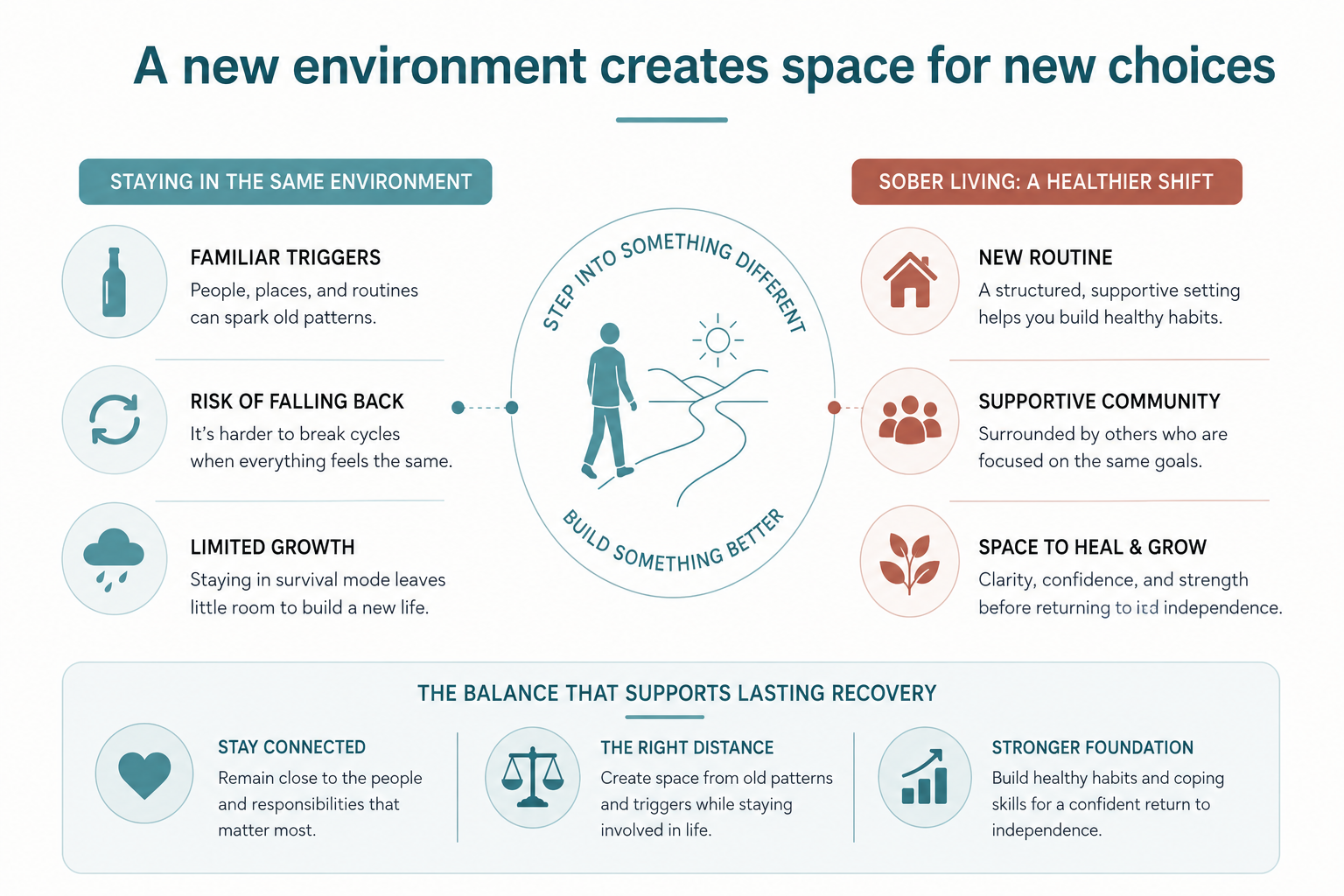
Creating a Healthier Distance From Old Patterns
Recovery can be harder when the environment around you continues to reinforce familiar behaviors. The same routines, social influences, or situations connected to substance use can make it difficult to establish something new.
A sober living home offers a different setting where recovery is part of the household culture. Residents have clear expectations, people around them who understand sobriety, and an environment where healthier routines can become more natural over time.
Take a Look Inside Our Sober Living Homes


Meet the Team Behind Design for Recovery
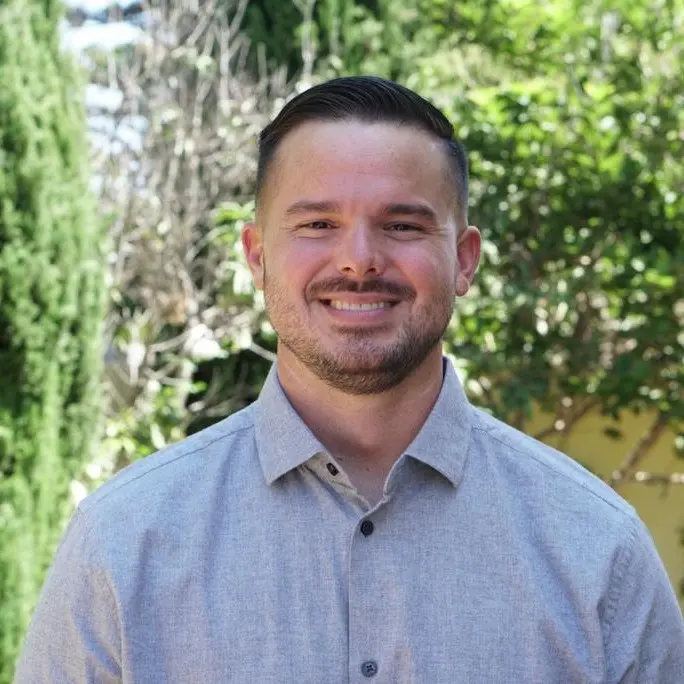
David Beasley
David Beasley is the founder and Program Director of Design for Recovery Sober Living Homes. Drawing from his own recovery experience, he created a structured, recovery-focused environment where men can rebuild their lives through accountability, mentorship, and personal growth.

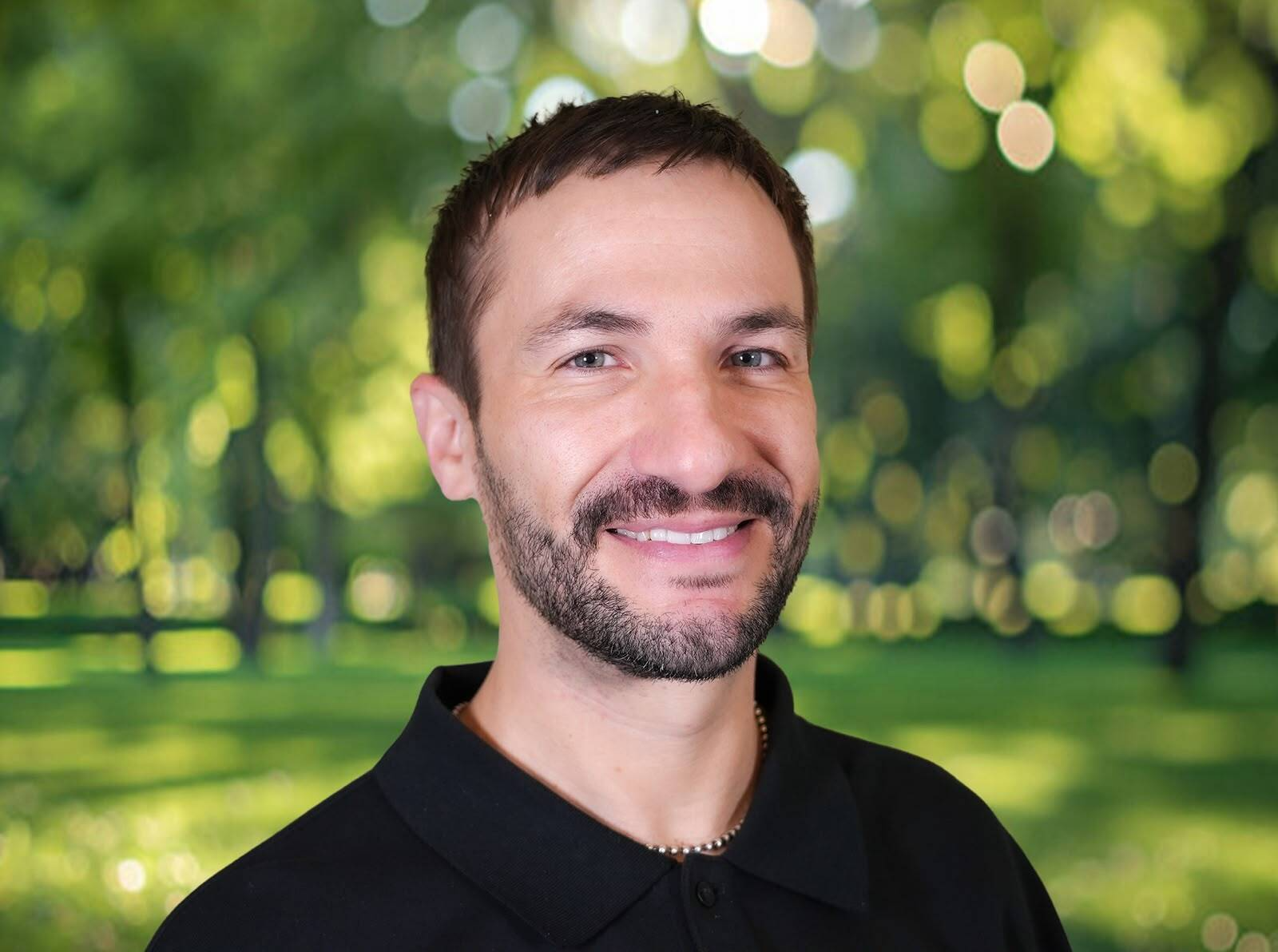
Matthew McCrystal
Matthew McCrystal oversees the daily operations of Design for Recovery, helping ensure every residence provides a safe, structured, and supportive environment. He brings both professional leadership and lived recovery experience to his role.
What We Offer

Employment Support
Guidance with resumes, interview preparation, job searches, and maintaining accountability while residents establish a steady work routine.

Life Skills
Practical support with organization, communication, planning, household responsibilities, and the skills needed for greater independence.

12-Step Integration
Encouragement to attend meetings consistently, connect with a sponsor, and apply recovery principles beyond the meeting room.

One-on-One Mentoring
Dedicated guidance for working through personal challenges, recognizing progress, and staying focused on individual recovery goals.

Money Management
Help developing realistic budgets, making thoughtful spending decisions, and building financial habits that support long-term stability.

Family Support
Support with communication, boundaries, and rebuilding trust and connection with family members over time.

Medication Monitoring
Assistance with maintaining prescribed medications and staying appropriately connected with healthcare providers.

Life in Our Sober Living Homes
Life at Design for Recovery is meant to help residents become comfortable managing the responsibilities that come with a sober life. Each person has their own schedule, goals, and commitments, while the home provides a consistent place to return to throughout the day.
Residents may spend their time working, attending school, continuing treatment, going to meetings, exercising, or pursuing personal interests. Learning to fit those commitments together is part of developing a routine that can continue long after sober living.
For men coming from La Palma, the homes also provide a change of setting while keeping them connected to the wider Orange County and Los Angeles area.
Explore Our Sober Living Homes
Your Path to Admissions
Start With a Conversation
Reach out to our admissions team to discuss where you are in recovery, what you're looking for in sober living, and whether Design for Recovery may fit your needs.
Understand the Home
We'll explain the house expectations, admissions requirements, availability, and what day-to-day life looks like so you can make an informed decision.
Make the Transition
After completing the admissions process, we'll help you prepare for move-in and begin adjusting to a structured environment where recovery remains part of everyday life.
In Their Own Words
Hear how residents describe the support, structure, and community they've experienced in recovery.

The Difference Sobriety Can Make
Recovery can gradually change the way you experience your relationships, responsibilities, and plans. As substance use becomes less central to daily life, other parts of your life can have more room to grow.
Become More Present
Greater stability can make it easier to be mentally and emotionally available for conversations, relationships, work, and everyday experiences.
Rebuild Trust Through Actions
Showing up consistently and following through can give relationships the opportunity to heal over time.
Put Energy Toward Your Goals
Recovery can free up time and attention to pursue education, employment, hobbies, fitness, or other goals that may have been neglected.
Experience Greater Personal Freedom
Building the ability to manage challenges without relying on substances can give you more control over the direction of your life.
Why Choose Sober Living Near La Palma?
La Palma's small, residential character places it close to several communities in northwestern Orange County, including Cerritos, Cypress, Buena Park, and La Habra. For men from La Palma, choosing sober living nearby can provide some separation from old routines while keeping familiar parts of work, family, and daily life accessible.
Transportation
La Palma is near CA-91 and I-605, with local roads including La Palma Avenue, Valley View Street, and Walker Street. OCTA bus routes connect the city with surrounding Orange County communities, while nearby regional routes provide broader access.
Cost of Living
La Palma has a higher cost of living than the national average. Housing costs are generally higher than in many parts of the country, reflecting its Orange County location, although costs vary across nearby communities.
Weather
La Palma has a mild Southern California climate, with warm, dry summers and cooler winters. The generally moderate conditions provide opportunities for outdoor recreation and other activities throughout the year.
For someone from La Palma, sober living nearby can offer a useful middle ground: enough change to support new recovery habits without making everyday responsibilities feel disconnected from home.
Typical Drive from La Palma to Design for Recovery: 31 min approx
Community Services That Support Recovery
Residents may need support with more than sobriety as they rebuild their routines. La Palma and nearby Orange County communities provide access to healthcare, employment, education, financial services, and other resources that can support different areas of everyday stability.
Healthcare
| La Palma Intercommunity Hospital | |
| 7901 Walker St | |
| (714) 670-7400 |
Public Safety
| La Palma Police Department | |
| 7792 Walker St | |
| (714) 690-3370 |
Education
| OC Library - La Palma Branch | |
| 7842 Walker St | |
| (714) 523-8585 |
Employment Resources
| Partners Personnel | |
| 10 Centerpointe Dr STE 10 | |
| (714) 316-7112 |
Financial Services
| Edward Jones - Financial Advisor: Ken Whittenbury, CFP® | |
| 6 Centerpointe Dr # 780 |
| La Palma Intercommunity Hospital | |
| 7901 Walker St | |
| (714) 670-7400 |
| La Palma Police Department | |
| 7792 Walker St | |
| (714) 690-3370 |
| OC Library - La Palma Branch | |
| 7842 Walker St | |
| (714) 523-8585 |
| Partners Personnel | |
| 10 Centerpointe Dr STE 10 | |
| (714) 316-7112 |
| Edward Jones - Financial Advisor: Ken Whittenbury, CFP® | |
| 6 Centerpointe Dr # 780 |

Recovery Support Resources in La Palma
Maintaining recovery can involve developing connections beyond the sober living home. Men from La Palma can access peer-support and mental health resources across the surrounding Orange County and southeast Los Angeles communities.
Local Sober & Fun Spots Near La Palma
La Palma's location gives residents access to recreational options across northwestern Orange County and nearby southeast Los Angeles County. Finding activities that make free time enjoyable without substances can become part of developing a fuller sober lifestyle.
Fitness & Wellness
| Anytime Fitness La Palma | |
| 5100 Orangethorpe Ave Suite G | |
| (562) 725-3539 |
Parks
| Central Park | |
| 7821 Walker St | |
| (714) 690-3350 |
Cultural & Social Venues
| Encore School Of Music | |
| 12 Centerpointe Dr Suite 206 | |
| (714) 736-0232 |
| Anytime Fitness La Palma | |
| 5100 Orangethorpe Ave Suite G | |
| (562) 725-3539 |
| Central Park | |
| 7821 Walker St | |
| (714) 690-3350 |
| Encore School Of Music | |
| 12 Centerpointe Dr Suite 206 | |
| (714) 736-0232 |
Local Public Health Trends in La Palma
Substance use remains a public health concern across Orange County and the surrounding region. Local and county-level trends provide context for the importance of prevention, treatment, overdose response, and continued recovery support.
Overdose Deaths
Recent reporting shows 526 overdose deaths during the most recent reporting period.
Naloxone Distribution
Public health programs serving the La Palma area have distributed 17061.60 naloxone kits, supporting access to overdose-response resources.
Opioid-Related Hospitalizations
The opioid-related hospitalization rate for the relevant local area is reported at 9.9 per 100k, providing another measure of the impact of opioid use in the community.
Recovery Looks Different for Everyone
A person coming into sober living may be trying to solve very different problems. Someone may need help creating structure after treatment, while another resident may already have a job and be focused on maintaining stability, rebuilding relationships, or preparing for independent living.
At Design for Recovery, the structure of the home provides a common foundation without making every resident's recovery look the same. Residents can focus on their own priorities while continuing to build the habits and skills that support long-term sobriety.

Frequently Asked Questions About Sober Living in La Palma
Yes. Residents can maintain employment while living in our homes. During admissions, your work location and schedule can be considered when discussing transportation and the practical fit of a home.
Yes. Residents can continue appropriate outpatient treatment, therapy, and healthcare appointments while living at Design for Recovery.
Staying within reach of family can make continued connection more manageable while still giving residents a separate home environment where sobriety and recovery are shared priorities.
Yes. Residents can access recovery meetings and support organizations throughout nearby Orange County and southeast Los Angeles communities, giving them opportunities to build a broader support network.
Yes. Sober living may be considered based on where you work, receive treatment, have family connections, or simply need a change of environment. Our admissions team can discuss your circumstances and current options.
Loading Instagram feed...