(424) 242-1130
Sober Living for Men in La Habra Heights, California
 Read Reviews
 What to Expect
 Get Local Help
Our Stats


Why Design for Recovery
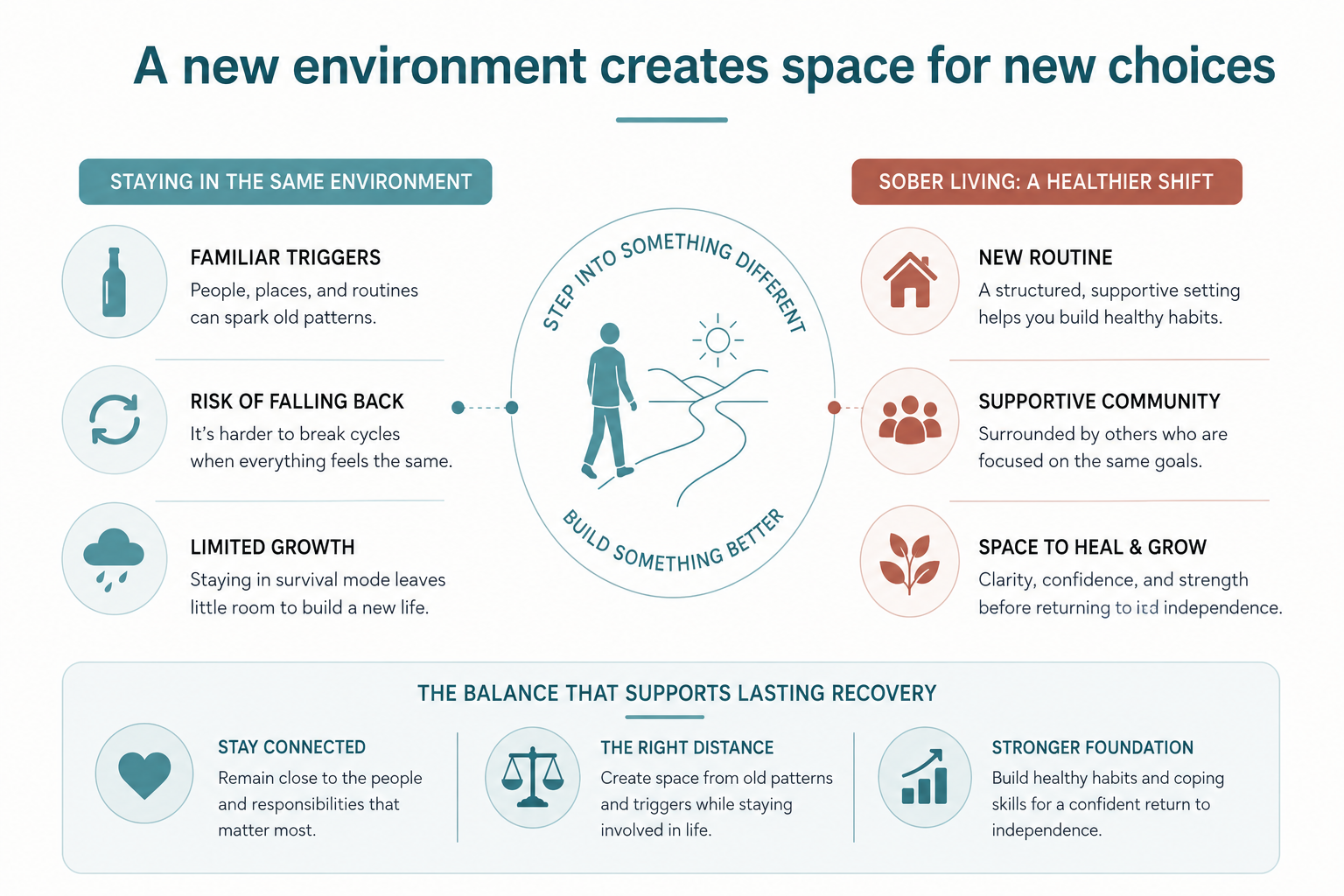
The transition into sober living is about learning how to carry recovery into the rest of your life. At Design for Recovery, residents have a place where they can work on that transition while still having structure and people around them who understand what they're working toward.
The program combines clear expectations with room for personal responsibility. Residents are encouraged to participate in their recovery, contribute to the home, and gradually become more capable of handling the decisions and responsibilities that come with everyday life.
The Foundation Behind Our Program
Stability in the EverydayA predictable home environment can make it easier to establish routines around meetings, treatment, employment, rest, and personal responsibilities.
Accountability That Builds AwarenessTaking responsibility for commitments and choices gives residents opportunities to recognize what is working, address setbacks, and make more intentional decisions.
A Shared Recovery EnvironmentLiving with other men who are also working toward sobriety creates opportunities for connection, encouragement, and learning from different experiences.
Progress Toward Self-SufficiencyThe structure is intended to support growth rather than dependence. As residents become more comfortable managing their lives, they can take on greater responsibility for their future.
Recognizing Patterns That Can Affect Recovery
Some triggers are easy to identify, while others may only become apparent after a difficult situation. They can involve people, places, routines, emotions, or circumstances that create cravings or make healthy decision-making more difficult.
Developing awareness around these patterns can help residents respond differently when challenges arise. With support from the people and structure around them, they can practice healthier coping strategies and learn what helps them stay grounded.
Take a Look Inside Our Sober Living Homes


Meet the Team Behind Design for Recovery
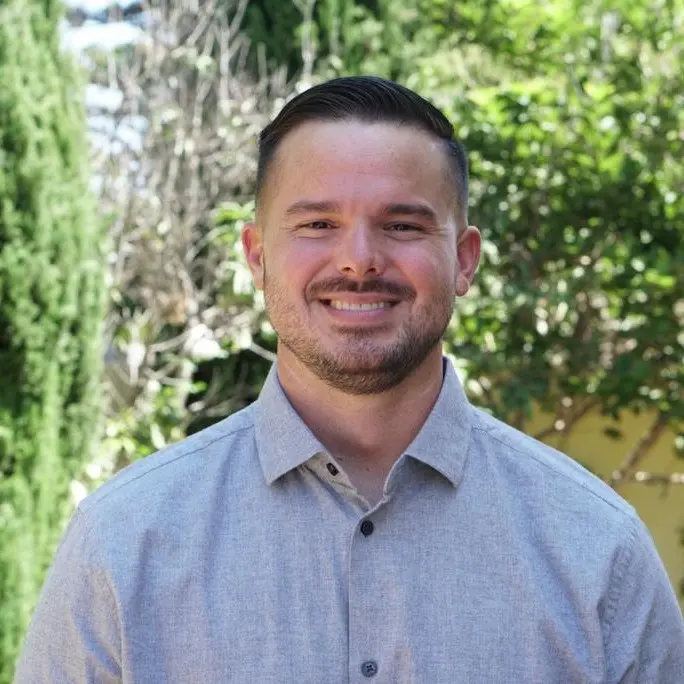
David Beasley
David Beasley is the founder and Program Director of Design for Recovery Sober Living Homes. Drawing from his own recovery experience, he created a structured, recovery-focused environment where men can rebuild their lives through accountability, mentorship, and personal growth.

Matthew McCrystal
Matthew McCrystal oversees the daily operations of Design for Recovery, helping ensure every residence provides a safe, structured, and supportive environment. He brings both professional leadership and lived recovery experience to his role.

What We Offer

Employment Support
Work can provide both structure and a sense of purpose during recovery. Residents can receive help with finding opportunities, preparing for interviews, navigating applications, and establishing habits that support consistent employment.

Life Skills
Independent living involves more than having a place to stay. Residents can strengthen practical abilities such as managing time, organizing responsibilities, communicating clearly, and taking care of everyday tasks.

12-Step Integration
Residents can make 12-Step recovery part of their ongoing routine through meetings, sponsorship, and continued participation in a peer community outside the home.

One-on-One Mentoring
Personal mentoring provides space to talk through situations that may be difficult to address in a group setting, while working toward individual goals and staying accountable for progress.

Money Management
Building financial stability can be an important part of preparing for independence. Residents can work on budgeting, prioritizing expenses, managing income, and developing more thoughtful spending habits.

Family Support
Recovery can affect family relationships in complicated ways. Support can help residents communicate more effectively, establish healthy boundaries, and work toward rebuilding trust through consistency.

Medication Monitoring
When medication is part of a resident's treatment plan, appropriate support can help maintain prescribed routines while the resident continues working with their healthcare providers.

Life in Our Sober Living Homes
Life in a sober living home is made up of more than formal recovery activities. Residents have jobs to get to, appointments to attend, meals to plan, errands to run, and personal interests to make time for.
At Design for Recovery, those ordinary responsibilities become part of the transition. Residents learn how to organize their days, keep commitments, communicate with housemates, and respond when something doesn't go according to plan.
There is also value in having other people around who understand the process. The shared home can provide encouragement and perspective, while residents continue developing routines and goals that are personal to them.
Explore Our Sober Living Homes
Finding the Right Path Forward
Tell Us About Your Situation
Start with a conversation about where you are in recovery, what you're looking for in a sober living environment, and what you hope to accomplish during this stage.
Explore the Details
Our admissions team can walk you through availability, house expectations, admissions requirements, and the practical considerations involved in joining Design for Recovery.
Prepare for Your Transition
Once you've decided to move forward, we'll help you complete the necessary steps and get ready for your move into the home.
In Their Own Words
Hear directly from residents about the experiences, challenges, and milestones that have shaped their time in recovery.

Creating a Life With Greater Stability
As recovery progresses, the benefits can extend into many parts of everyday life. Greater consistency can make room for healthier relationships, meaningful responsibilities, personal interests, and goals for the future.
Rebuild Trust
Being dependable and present can help create opportunities to repair relationships and strengthen connections with people who matter.
Establish Healthy Habits
Consistent routines around work, recovery, sleep, exercise, and personal responsibilities can provide a stronger foundation for daily life.
Rediscover Your Interests
Recovery can create space to return to hobbies, activities, and interests that bring enjoyment and a sense of purpose.
Prepare for Greater Independence
Managing your responsibilities and making thoughtful decisions can help you feel more ready for the freedom and accountability that come with living independently.
Why Choose Sober Living Near La Habra Heights?
La Habra Heights is a distinctive hillside community in southeastern Los Angeles County, known for its large residential lots, open spaces, agricultural areas, and rural character. It sits near La Habra, Whittier, Hacienda Heights, and Rowland Heights, giving residents access to surrounding communities while remaining somewhat removed from denser urban areas.
Transportation
La Habra Heights has a primarily local road network, with narrow and winding roads reflecting its hillside setting. Public transportation options include connections through OCTA and Metro, while the city's Dial-A-Ride program provides transportation for eligible older adults and people with qualifying disabilities.
Cost of Living
La Habra Heights has a distinctive housing market shaped by its large lots and predominantly owner-occupied residential properties. The city has limited rental housing compared with surrounding communities, so costs can differ considerably depending on where someone lives nearby.
Weather
La Habra Heights has a warm, semi-arid Southern California climate, with mild winters and hot, dry summers. Its hillside setting and abundance of open space give the community a different environment from the denser neighborhoods surrounding it.
For men from La Habra Heights, sober living nearby can provide a supportive change in environment while keeping family, work, treatment, and other connections across the surrounding area within reach.
Typical Drive from La Habra Heights to Design for Recovery: 37 min approx
Community Services That Support Recovery
Maintaining recovery can involve practical needs alongside treatment and peer support. Residents in La Habra Heights and nearby communities can access services related to healthcare, employment, education, finances, and other areas of everyday life.
Community & Social Services
| Mountains Recreation | |
| La Habra Heights, CA 90631, United States | |
| (562) 691-8463 |
| Mountains Recreation | |
| La Habra Heights, CA 90631, United States | |
| (562) 691-8463 |

Recovery Support Resources in La Habra Heights
Recovery support can come from several sources. Residents can connect with peer-support groups and mental health resources in the surrounding communities while continuing to develop their own support network.
Local Sober & Fun Spots Near La Habra Heights
The area's foothill and suburban setting gives residents access to parks, outdoor spaces, recreation, and community activities in La Habra Heights and nearby cities. Exploring those options can help create a fuller routine outside work and recovery commitments.
Outdoor Activities
| Schabarum Trail Peak | |
| X3F5+R2 La Habra Heights, California, USA |
Parks
| The Park | |
| 1885 Hacienda Rd | |
| (562) 694-6302 |
| Schabarum Trail Peak | |
| X3F5+R2 La Habra Heights, California, USA |
| The Park | |
| 1885 Hacienda Rd | |
| (562) 694-6302 |
Local Public Health Trends in La Habra Heights
Substance use remains a public health concern across Los Angeles County, including communities in the eastern San Gabriel Valley and surrounding areas. Broader regional data provides context for the continued need for prevention, treatment, overdose response, and recovery support.
Overdose Deaths
Recent reporting shows 1,784 overdose deaths during the most recent reporting period.
Naloxone Distribution
Public health programs serving the La Habra Heights area have distributed 22,882 naloxone kits, supporting access to overdose-response resources.
Opioid-Related Hospitalizations
The opioid-related hospitalization rate for the relevant local area is reported at 10.0 per 100k, providing another measure of the impact of opioid use in the community.
Building on Your Recovery
Recovery can gradually shift from establishing stability to deciding what you want your life to look like beyond sober living. That may involve returning to work, strengthening relationships, managing finances, pursuing personal interests, or preparing for a more independent routine.
Design for Recovery provides a structured environment where residents can continue working toward those goals while having accountability and a recovery-focused community around them.

Frequently Asked Questions About Sober Living in La Habra Heights
It can be. Residents may have work or treatment commitments in La Habra, Whittier, Brea, Hacienda Heights, or other surrounding communities. Your specific schedule and transportation needs can be discussed during admissions.
Yes. Residents can continue appropriate outpatient treatment, therapy, and healthcare appointments while living in sober housing.
Your regular travel requirements can be considered when discussing whether a sober living environment is appropriate for your circumstances.
Yes. Maintaining supportive relationships can remain an important part of recovery. Residents can continue appropriate family connections while following the expectations of the home.
Yes. The foothill setting and surrounding communities provide opportunities for walking, parks, recreation, and other outdoor activities that can become part of a healthy routine.
Consider the level of structure you need, your work and treatment commitments, your support system, and the kind of environment that would help you continue progressing. Our admissions team can answer questions about the program and its expectations.
Loading Instagram feed...