(424) 242-1130
Sober Living for Men in Irwindale, California
 Read Reviews
 What to Expect
 Get Local Help
Our Stats


Why Design for Recovery
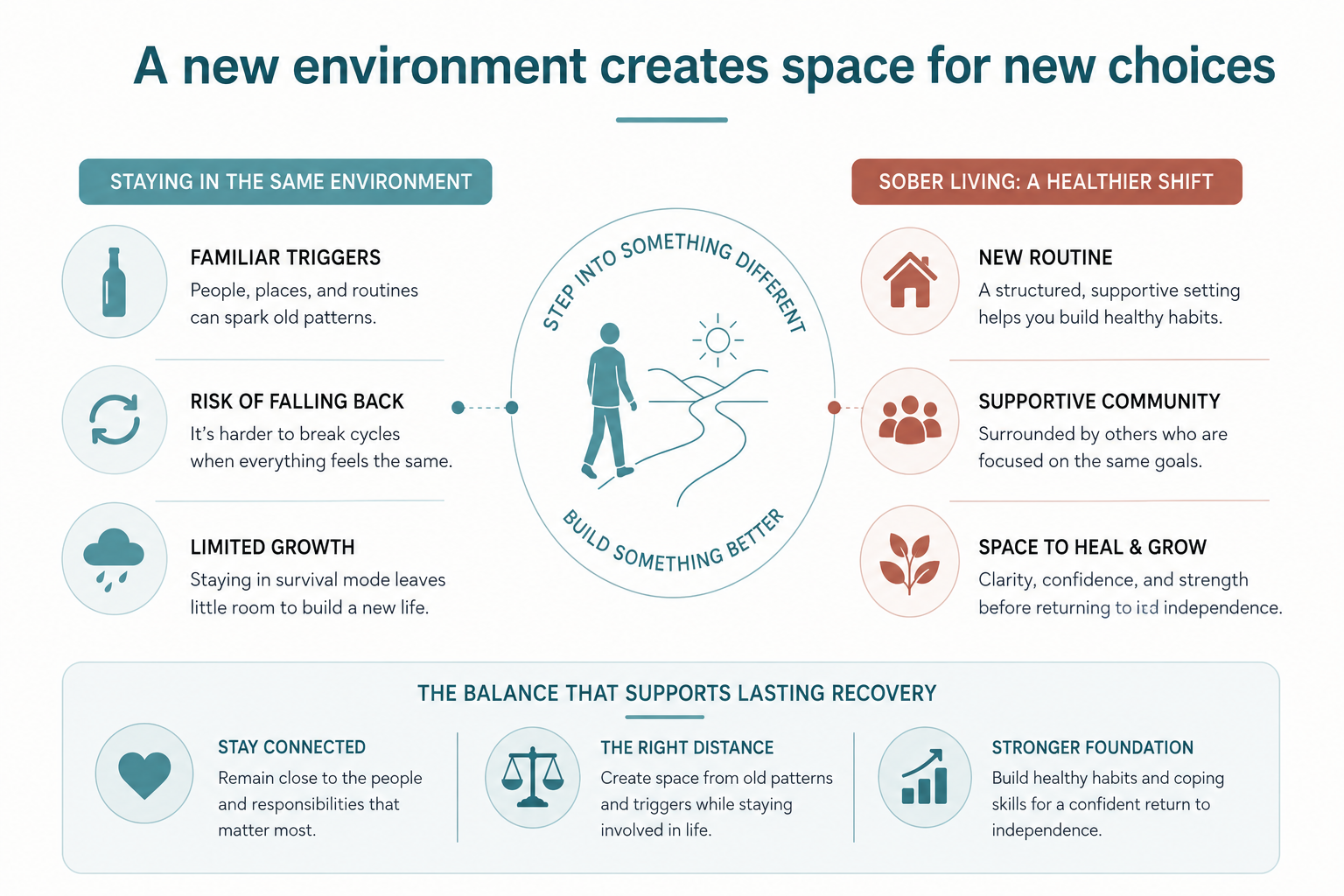
A person's living environment can play an important role in how recovery develops after treatment. At Design for Recovery, we give residents a place where they can practice the decisions and responsibilities that come with maintaining sobriety while still having support around them.
Rather than trying to manage every part of a resident's life, our approach encourages men to become increasingly responsible for it. The structure provides a foundation, while participation, accountability, and personal effort drive the progress that happens within it.
The Foundation Behind Our Program
Structured LivingResidents have clear expectations that help bring consistency to their daily routines while they balance recovery with work, treatment, meetings, and personal commitments.
Meaningful AccountabilityAccountability gives residents an opportunity to recognize where they are following through, where they may be struggling, and what they can do differently.
Recovery-Focused CommunityA shared home with other men in recovery creates an environment where residents can exchange experiences, offer encouragement, and feel less alone in the process.
Growth Through IndependenceAs residents become more comfortable handling their responsibilities, they can begin relying more on their own judgment and preparing for life with less structure.
Learning to Recognize and Respond to Triggers
Triggers do not always look the same. They can be connected to certain people or places, but they can also come from stress, loneliness, conflict, memories, or routines that have become associated with substance use.
Part of recovery is learning to notice those patterns before they turn into automatic reactions. A structured sober living environment can give residents opportunities to recognize what affects them, use healthier coping strategies, and reach out for support when a situation becomes difficult.
Take a Look Inside Our Sober Living Homes


Meet the Team Behind Design for Recovery
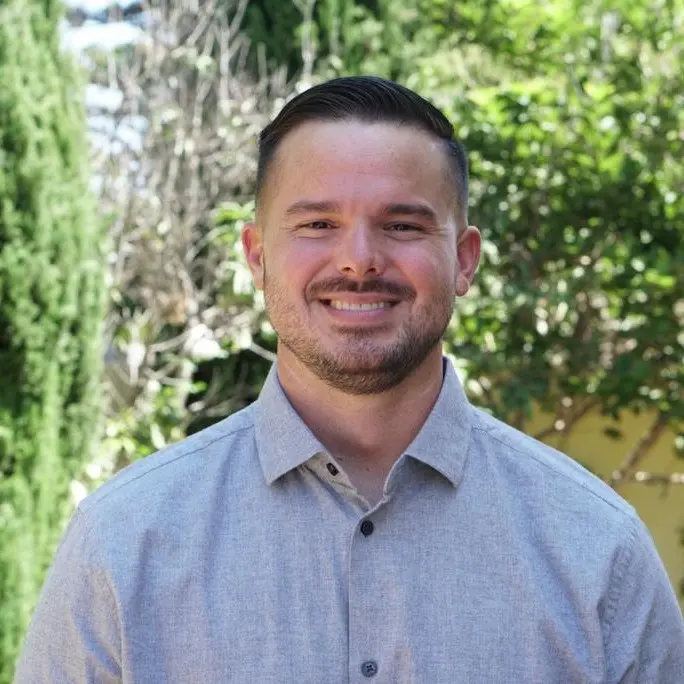
David Beasley
David Beasley is the founder and Program Director of Design for Recovery Sober Living Homes. Drawing from his own recovery experience, he created a structured, recovery-focused environment where men can rebuild their lives through accountability, mentorship, and personal growth.

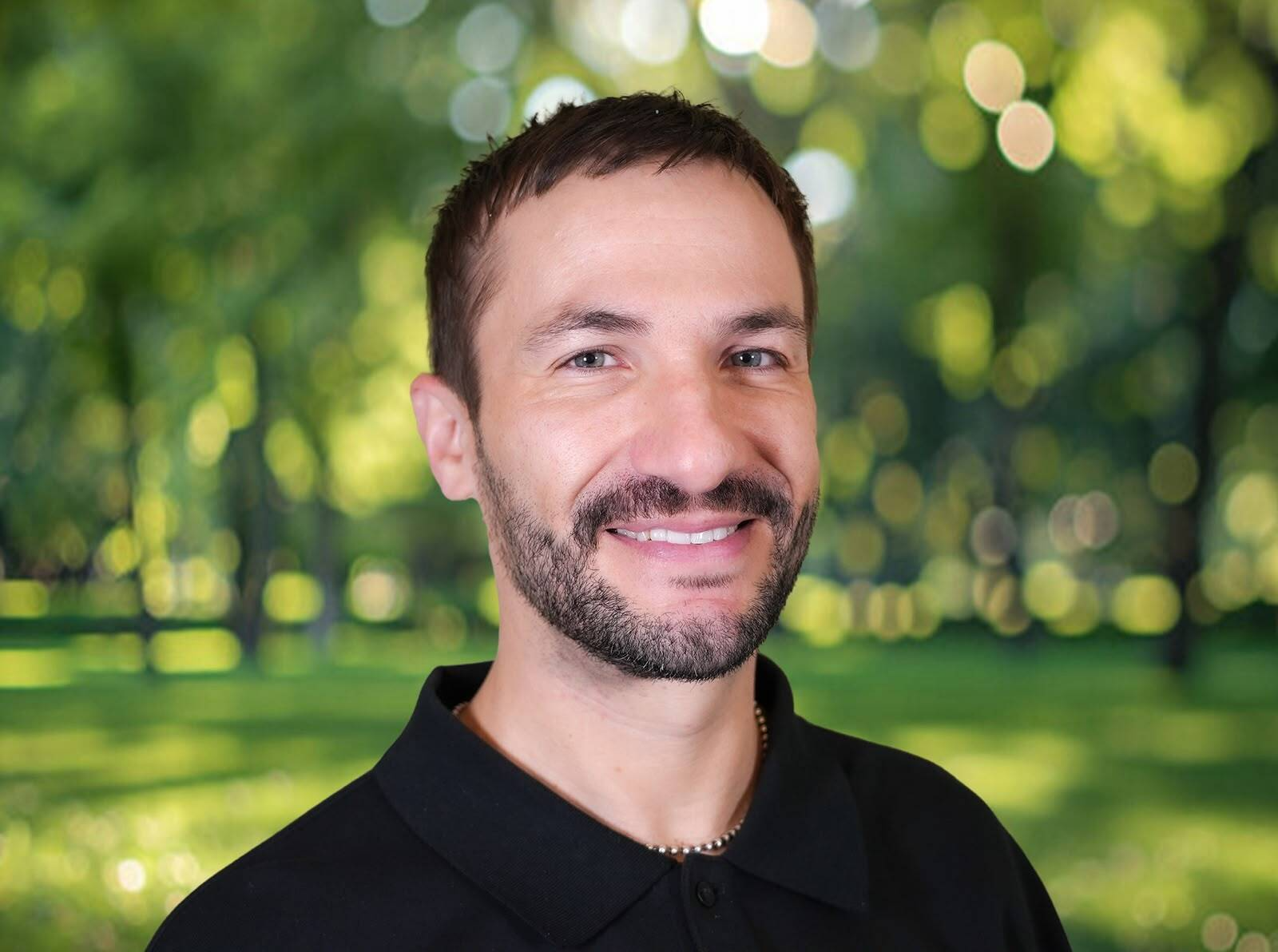
Matthew McCrystal
Matthew McCrystal oversees the daily operations of Design for Recovery, helping ensure every residence provides a safe, structured, and supportive environment. He brings both professional leadership and lived recovery experience to his role.
What We Offer

Employment Support
From preparing for an interview to settling into a new position, residents can receive practical guidance as they work toward employment and greater financial stability.

Life Skills
Residents practice the everyday responsibilities that come with independent living, including managing time, keeping commitments, communicating effectively, and caring for their living environment.

12-Step Integration
Support can help residents establish a consistent recovery routine around meetings, sponsorship, and participation in a 12-Step community.

One-on-One Mentoring
Residents have an opportunity to work individually with a mentor on personal challenges, decisions, setbacks, and the goals they want to accomplish during sober living.

Money Management
Guidance can help residents understand where their money is going, plan for regular expenses, and develop spending habits that make greater independence more realistic.

Family Support
Residents can receive guidance as they work through difficult family dynamics, practice healthier communication, and establish boundaries that support continued recovery.

Medication Monitoring
Residents can maintain prescribed medication routines with appropriate support while continuing to work with their own medical and behavioral health providers.

Life in Our Sober Living Homes
Life at Design for Recovery is not meant to replicate treatment. Residents have the opportunity to make their own plans, handle their own responsibilities, and experience the ordinary challenges that come with living a sober life.
The home provides a consistent foundation while residents figure out how to balance those responsibilities.
That everyday practice is part of the transition. Residents have the opportunity to discover what works for them, adjust when something isn't working, and become more capable of managing their lives without depending on a highly structured treatment setting.
Explore Our Sober Living Homes
Your Path to Admissions
Tell Us Where You Are in Recovery
Start by sharing a little about your current situation and what you're looking for in sober living. Our admissions team can answer your questions and help you understand whether Design for Recovery fits your needs.
Go Through the Details
We'll review current availability, house expectations, admissions requirements, and the practical details involved in transitioning into one of our homes.
Prepare for Your Transition
Once you've decided to move forward, we'll help you complete the remaining steps and get ready for your move into the home.
In Their Own Words
Hear how residents describe their experiences with recovery, accountability, and life in a sober living community.

Building a Life With More Stability
Sobriety can create a stronger foundation for the parts of life that require consistency. As recovery progresses, residents may begin to notice changes in how they handle responsibilities, relationships, and their own goals.
Reclaim Your Time
With less time and energy consumed by substance use, you can redirect that space toward work, relationships, interests, and recovery.
Become More Reliable
Following through on commitments can help you rebuild trust in yourself and show others that they can depend on you.
Handle Challenges Differently
Recovery gives you opportunities to develop healthier ways of responding to stress, conflict, disappointment, and other difficult experiences.
Prepare for Greater Independence
As your routines and decision-making become stronger, you can begin taking on more responsibility for the direction of your life.
Why Choose Sober Living Near Irwindale?
Irwindale sits in the San Gabriel Valley near Baldwin Park, Duarte, Azusa, and West Covina. Its location along the San Gabriel Valley's major transportation corridors can make it practical for residents whose work, treatment, family, or other responsibilities extend across neighboring communities.
Transportation
Irwindale is close to I-605, I-210, and I-10, providing connections across the San Gabriel Valley and toward Los Angeles. Foothill Transit also serves the area with bus connections to surrounding communities.
Cost of Living
Irwindale has a higher cost of living than the national average. Because the city has relatively limited residential development compared with surrounding communities, housing costs are also influenced by conditions across the wider San Gabriel Valley.
Weather
Irwindale has a warm, dry climate typical of the San Gabriel Valley, with hotter summers and mild winters. The area's generally dry conditions allow residents to incorporate outdoor activities into their routines throughout much of the year.
For men from Irwindale, choosing sober living within the broader San Gabriel Valley can provide a supportive change in environment without unnecessarily separating them from the rest of their daily lives.
Typical Drive from Irwindale to Design for Recovery: 44 min approx
Community Services That Support Recovery
Building stability after treatment can involve practical needs beyond recovery itself. Irwindale and surrounding San Gabriel Valley communities provide access to services that can support healthcare, employment, education, finances, and other areas of daily life.
Public Safety
| Irwindale Police Department | |
| 5050 N Irwindale Ave | |
| (626) 430-2244 |
Education
| Irwindale Public Library | |
| 16053 Calle De Paseo | |
| (626) 430-2229 |
Employment Resources
| PriorityWorkforce, Irwindale | |
| 15648 Arrow Hwy | |
| (626) 869-0520 |
Financial Services
| Banc of California | |
| 15622 Arrow Hwy |
| Irwindale Police Department | |
| 5050 N Irwindale Ave | |
| (626) 430-2244 |
| Irwindale Public Library | |
| 16053 Calle De Paseo | |
| (626) 430-2229 |
| PriorityWorkforce, Irwindale | |
| 15648 Arrow Hwy | |
| (626) 869-0520 |
| Banc of California | |
| 15622 Arrow Hwy |

Recovery Support Resources in Irwindale
Continuing recovery often means developing connections beyond the people in your sober living home. Residents from Irwindale can access peer support and mental health resources throughout the San Gabriel Valley.
Local Sober & Fun Spots Near Irwindale
Irwindale's San Gabriel Valley location puts residents within reach of outdoor recreation, fitness options, parks, entertainment, and community spaces across the surrounding area. Exploring these options can help residents build a fuller routine around sobriety.
Outdoor Activities
| Windy Gap Trailhead | |
| Windy Gap Trail |
Fitness & Wellness
| Hidden Strength Gym | |
| 1442 Arrow Hwy K |
Parks
| Irwindale Park | |
| 16053 Calle De Paseo | |
| (626) 430-2224 |
| Windy Gap Trailhead | |
| Windy Gap Trail |
| Hidden Strength Gym | |
| 1442 Arrow Hwy K |
| Irwindale Park | |
| 16053 Calle De Paseo | |
| (626) 430-2224 |
Local Public Health Trends in Irwindale
Substance use remains a concern across Los Angeles County, including communities throughout the San Gabriel Valley. Broader public health trends provide context for the continued importance of prevention, treatment, overdose response, and long-term recovery support.
Overdose Deaths
Recent reporting shows 1,784 overdose deaths during the most recent reporting period.
Naloxone Distribution
Public health programs serving the Irwindale area have distributed 22,882 naloxone kits, supporting access to overdose-response resources.
Opioid-Related Hospitalizations
The opioid-related hospitalization rate for the relevant local area is reported at 10.0 per 100k, providing another measure of the impact of opioid use in the community.
Moving Forward in Your Own Way
Recovery can involve different goals at different stages. You may be working toward returning to employment, rebuilding family relationships, maintaining treatment, developing healthier routines, or preparing to live more independently.
At Design for Recovery, residents have the structure and accountability of a shared recovery environment while continuing to work toward the goals that matter to them personally.
If you're considering sober living near Irwindale, our team can help you learn more about Design for Recovery and what the next step could look like.

Frequently Asked Questions About Sober Living in Irwindale
That does not necessarily prevent sober living from being a good fit. Work, treatment, meetings, and other regular commitments can extend beyond the city, so transportation and scheduling are useful factors to consider when choosing a home.
Yes. Residents can continue appropriate outpatient treatment, therapy, and healthcare appointments while living in sober housing.
Yes. Residents can access AA, NA, SMART Recovery, and other support options across the surrounding communities, allowing them to build connections beyond their immediate neighborhood.
Yes. Maintaining healthy relationships can remain part of recovery. Living within reach of supportive family members may make regular connection easier while providing a separate home environment focused on sobriety.
Consider your recovery needs, work or treatment schedule, transportation, support system, and the type of structure you need at this stage. Our admissions team can help you understand how Design for Recovery may fit those circumstances.
Loading Instagram feed...