(424) 242-1130
Sober Living for Men in Inglewood, California
 Read Reviews
 What to Expect
 Get Local Help
Our Stats


Why Design for Recovery
Choosing a men's sober living program is about more than finding a place to live. At Design for Recovery, we believe lasting recovery is built through consistency, meaningful relationships, and an environment that encourages steady personal growth. Our recovery residences are designed to help men strengthen the habits, confidence, and resilience needed to move forward with purpose.
The Foundation Behind Our Program
Structured LivingConsistent routines and clear expectations help create stability and make healthy habits easier to maintain.
Meaningful AccountabilityResidents are encouraged to take ownership of their recovery while receiving support from staff and peers.
Recovery-Focused CommunityLiving alongside other men working toward similar goals creates connection, encouragement, and mutual support throughout recovery.
Growth Through IndependenceEvery step is designed to help residents strengthen life skills, build confidence, and prepare for independent living.
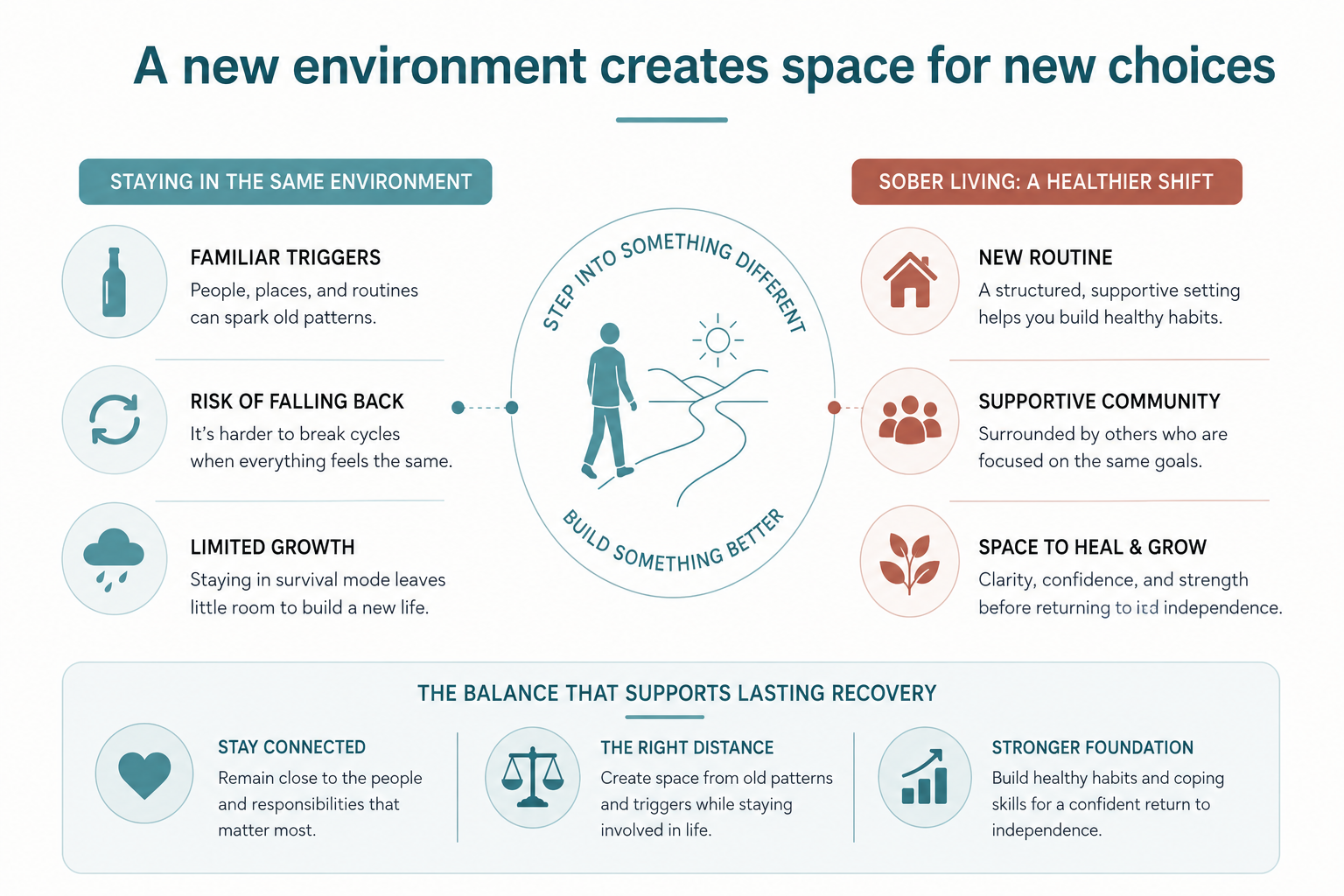
Recovery Doesn't Have to Compete With Everyday Life
For many people, one of the biggest concerns about getting sober is how recovery will fit alongside work, appointments, family responsibilities, and everyday commitments.
A structured recovery residence helps bring those pieces together instead of forcing you to choose between them. Rather than putting life on hold, you begin learning how recovery becomes part of daily life.
Men coming from Inglewood can continue commuting to work, staying connected with loved ones, and managing important responsibilities while living in a supportive, substance-free environment focused on long-term recovery.
Take a Look Inside Our Sober Living Homes


The People Behind the Program
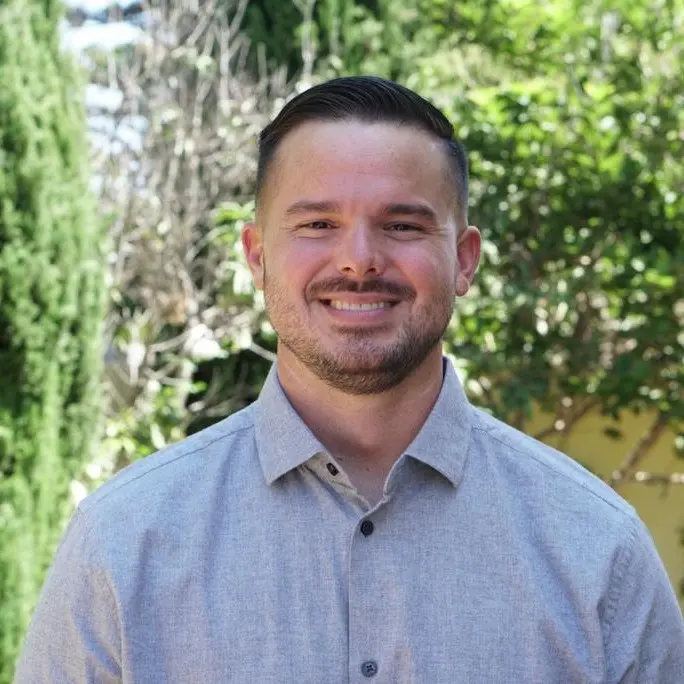
David Beasley
David Beasley is the founder and Program Director of Design for Recovery Sober Living Homes. Drawing from his own recovery experience, he created a structured, recovery-focused environment where men can rebuild their lives through accountability, mentorship, and personal growth.
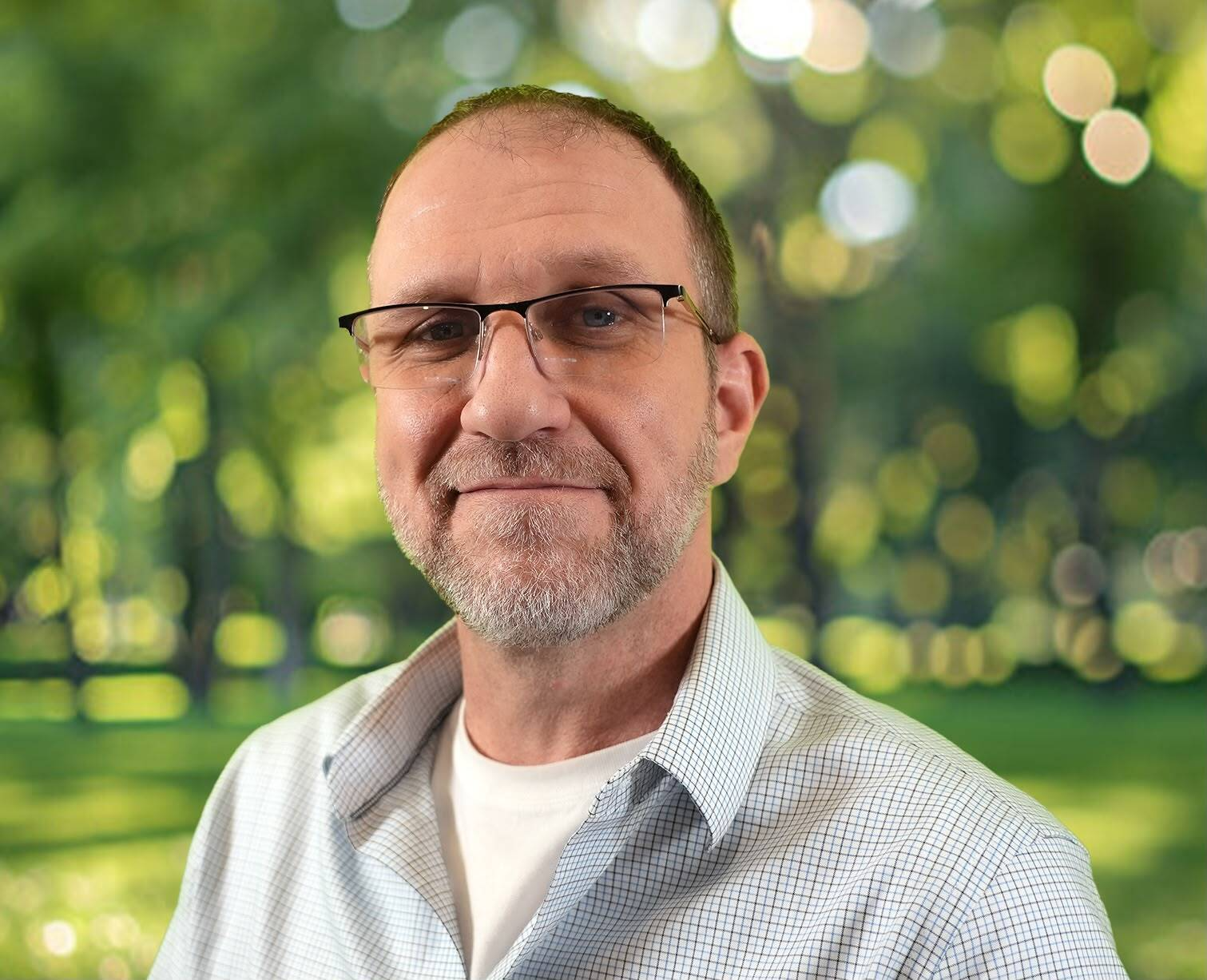
Matthew McCrystal
Matthew McCrystal oversees the daily operations of Design for Recovery, helping ensure every residence provides a safe, structured, and supportive environment. He brings both professional leadership and lived recovery experience to his role.
What We Offer

Employment Support
Landing steady work again is often the clearest sign that recovery is taking hold. We help residents with resumes, interview prep, and the job search itself, backed by daily accountability that keeps things moving.

Life and Recovery Skills
Sobriety tends to stick better when daily life feels manageable. Through house structure and peer accountability, residents build lasting habits: budgeting, routine, follow-through.

12-Step Programming
Our houses run on 12-Step principles, and residents get genuine support finding a sponsor, attending meetings, and applying those values daily, not only during meetings.

One-on-One Mentoring
Each resident also gets one-on-one time with a mentor, dedicated space to work through what's actually driving things, not just a check on rule compliance.

Money Management
Money stress quietly pulls a lot of people off track. Residents build practical skills here: budgeting, saving, and habits designed to hold up long after they've moved out.

Family Services
Recovery reaches beyond the resident to the people closest to them. We help families understand what real support looks like right now, and how to stay close without taking over.

Medication Monitoring
For residents managing medications, staying on schedule matters. We help track prescriptions and maintain the connection to prescribing clinicians.

Life in Our Sober Living Homes
No two residents arrive with the same story, and no two recovery journeys look exactly alike. What they do share is a place where honesty, respect, and personal responsibility shape everyday life.
Some evenings are spent preparing dinner together after work. Others involve heading to recovery meetings, talking through challenges with housemates, or simply enjoying a quiet night after a busy day. Those everyday moments create a sense of normalcy that many people haven't experienced in years. Instead of constantly thinking about recovery, residents begin experiencing what it feels like to simply live it.
Explore Our Sober Living Homes
The Admissions Roadmap
The Opening Conversation
We start by understanding where things stand, whether you're reaching out for yourself or someone else. Our team will talk through what kind of structure and support would genuinely help.
Working Through Details
From there, we cover cost, logistics, and what's included, so nothing about move-in is a surprise. We work together to identify what matters most: job support, daily accountability, or meeting-based structure.
Moving In
Once it's confirmed as a fit, we cover exactly what move-in day looks like: meeting housemates, a full walkthrough, and expectations laid out clearly. Most residents settle in within their first few days.
In Their Own Words
Alumni share what changed for them during their time with Design for Recovery.

Recovery Is About Building a Life You Don't Want to Walk Away From
Long-term recovery isn't measured by the number of days you've been sober. It's reflected in the life you're creating along the way. As healthy routines become second nature, many residents begin rediscovering interests, strengthening relationships, and setting goals that once felt impossible to reach.
Find Enjoyment in Everyday Life Again
One of the biggest milestones in recovery is realizing that ordinary moments can feel meaningful again. Sharing a meal, exercising, spending time outdoors, or relaxing after work can become experiences you genuinely look forward to.
Improve the Way You Respond to Challenges
Stress doesn't disappear, but your response to it can change. Recovery creates opportunities to develop healthier coping strategies that help you navigate setbacks without returning to old behaviors.
Build Relationships That Support Your Growth
Surrounding yourself with people who encourage honesty, responsibility, and personal growth creates an environment where positive change becomes easier to maintain.
Create Goals That Extend Beyond Recovery
As recovery becomes more stable, attention naturally shifts toward the future. Career advancement, education, financial independence, travel, and rebuilding family relationships become realistic goals supported by a stronger foundation.
Why Choose Sober Living Near Inglewood?
Living near Inglewood allows you to remain connected to your career, family, healthcare providers, and everyday responsibilities while benefiting from the consistency of a structured recovery residence.
Its location on the Westside also provides convenient access to surrounding communities, making it possible to balance recovery with the commitments that continue outside the home.
Transportation
Inglewood is served by Interstate 405, Interstate 105, Century Boulevard, Manchester Boulevard, and Crenshaw Boulevard, with the K Line (Crenshaw/LAX Line) and Metro bus routes providing convenient access throughout Los Angeles. The city's location also offers easy access to Los Angeles International Airport (LAX) and nearby employment centers.
Cost of Living
Inglewood's cost of living is above the national average, with housing representing the largest expense for most residents. Continued redevelopment, growing employment opportunities, and convenient access to the Westside have contributed to increasing demand throughout the city.
Weather
Inglewood enjoys warm summers, mild winters, and a coastal climate influenced by its proximity to the Pacific Ocean. Comfortable weather throughout the year makes it easy to enjoy parks, outdoor fitness, and recreational activities.
Typical Drive from Inglewood to Design for Recovery: 11 minutes approx (depending on traffic)
Community Services That Support Recovery
Recovery is strengthened by having access to resources that support every aspect of life. Inglewood and neighboring communities offer healthcare services, educational opportunities, employment assistance, financial resources, and community organizations that can help residents continue moving forward long after treatment.
Healthcare
| Centinela Hospital Medical Center | |
| 555 E Hardy St | |
| (310) 673-4660 |
Public Safety
| Inglewood Police Department | |
| 1 W Manchester Blvd | |
| (310) 412-5211 |
Education
| Inglewood Adult School | |
| 441 W Hillcrest Blvd | |
| (310) 330-5220 |
Employment Resources
| Inglewood One Stop | |
| 110 S La Brea Ave | |
| (310) 680-3700 |
Financial Services
| Chase Bank | |
| 3520 W Century Blvd |
Community & Social Services
| Food Pantry Lax | |
| 355 E Beach Ave | |
| (310) 677-5597 |
| Centinela Hospital Medical Center | |
| 555 E Hardy St | |
| (310) 673-4660 |
| Inglewood Police Department | |
| 1 W Manchester Blvd | |
| (310) 412-5211 |
| Inglewood Adult School | |
| 441 W Hillcrest Blvd | |
| (310) 330-5220 |
| Inglewood One Stop | |
| 110 S La Brea Ave | |
| (310) 680-3700 |
| Chase Bank | |
| 3520 W Century Blvd |
| Food Pantry Lax | |
| 355 E Beach Ave | |
| (310) 677-5597 |

Recovery Support Resources in Inglewood
Recovery doesn't happen in isolation. Continuing to participate in peer support groups and local recovery communities can provide encouragement, accountability, and connection throughout every stage of the journey.
Local Sober & Fun Spots Near Inglewood
One of the advantages of living near Inglewood is having access to a wide variety of places to spend your free time. Whether you enjoy live entertainment, outdoor recreation, fitness, or exploring local neighborhoods, there are plenty of ways to create new experiences that support a healthy lifestyle.
Outdoor Activities
| Green Zone Parking, Lot A | |
| 800 Prairie Ave lot a |
Fitness & Wellness
| Body Art Noire | |
| 409 W Arbor Vitae St, Inglewood, CA 90301, United States | |
| (424) 835-0323 |
Parks
| Edward Vincent Jr. Park | |
| 700 Warren Ln | |
| (310) 412-5370 |
Entertainment & Recreation
| Hollywood Park Center | |
| 1000 S Prairie Ave |
Cultural & Social Venues
| Cinepolis Luxury Cinemas Inglewood IMAX | |
| 1233 District Dr suite 100 | |
| (310) 695-7192 |
| Green Zone Parking, Lot A | |
| 800 Prairie Ave lot a |
| Body Art Noire | |
| 409 W Arbor Vitae St, Inglewood, CA 90301, United States | |
| (424) 835-0323 |
| Edward Vincent Jr. Park | |
| 700 Warren Ln | |
| (310) 412-5370 |
| Hollywood Park Center | |
| 1000 S Prairie Ave |
| Cinepolis Luxury Cinemas Inglewood IMAX | |
| 1233 District Dr suite 100 | |
| (310) 695-7192 |
Local Public Health Trends in Inglewood
Like many communities across Los Angeles County, Inglewood continues to address the impact of substance use through prevention initiatives, treatment programs, and overdose response efforts. Understanding these local trends reinforces the importance of continued access to recovery support and structured sober living.
Overdose Deaths
In Inglewood, recent reporting shows 1,784 overdose deaths in the most recent reporting period, demonstrating the ongoing need for accessible treatment and recovery services.
Naloxone Distribution
Public health agencies serving Inglewood have distributed 22,882 naloxone kits, expanding access to life-saving overdose prevention resources throughout the community.
Opioid-Related Hospitalizations
The opioid-related hospitalization rate in Inglewood is reported at 10.0 per 100k, highlighting the continued need for comprehensive addiction treatment and supportive recovery housing.
Your Next Step Can Start Today
Every meaningful change begins with a decision. If you're looking for a structured recovery residence near Inglewood, our admissions team is here to answer your questions, explain your options, and help you take the next step toward lasting recovery.

Frequently Asked Questions About Sober Living in Inglewood
Yes. Many residents continue working while living in our recovery homes. Whether you work in Inglewood, the surrounding business districts, or near Los Angeles International Airport, we'll help you understand how your work schedule can fit alongside house expectations.
Yes. Inglewood has access to Metro rail, local bus routes, and major transportation corridors, making it possible for many residents to commute to work, recovery meetings, appointments, and other daily commitments without a personal vehicle.
Absolutely. Many residents choose structured sober living after realizing they want additional support while continuing to strengthen their recovery and prepare for independent living.
Alcoholics Anonymous, Narcotics Anonymous, SMART Recovery, and other peer support meetings are available throughout Inglewood, Westchester, Hawthorne, Culver City, and surrounding West Los Angeles communities.
Yes. Our locations make it convenient for many families throughout Los Angeles County to stay involved while still allowing residents to maintain healthy boundaries and focus on their recovery.
A recovery residence provides more than housing. It offers daily structure, peer accountability, a substance-free environment, and a community of people who are working toward the same goal of long-term recovery. These elements can make the transition back to independent living more manageable.
Loading Instagram feed...