(424) 242-1130
Sober Living for Men in Cypress, California
 Read Reviews
 What to Expect
 Get Local Help
Our Stats


Why Design for Recovery
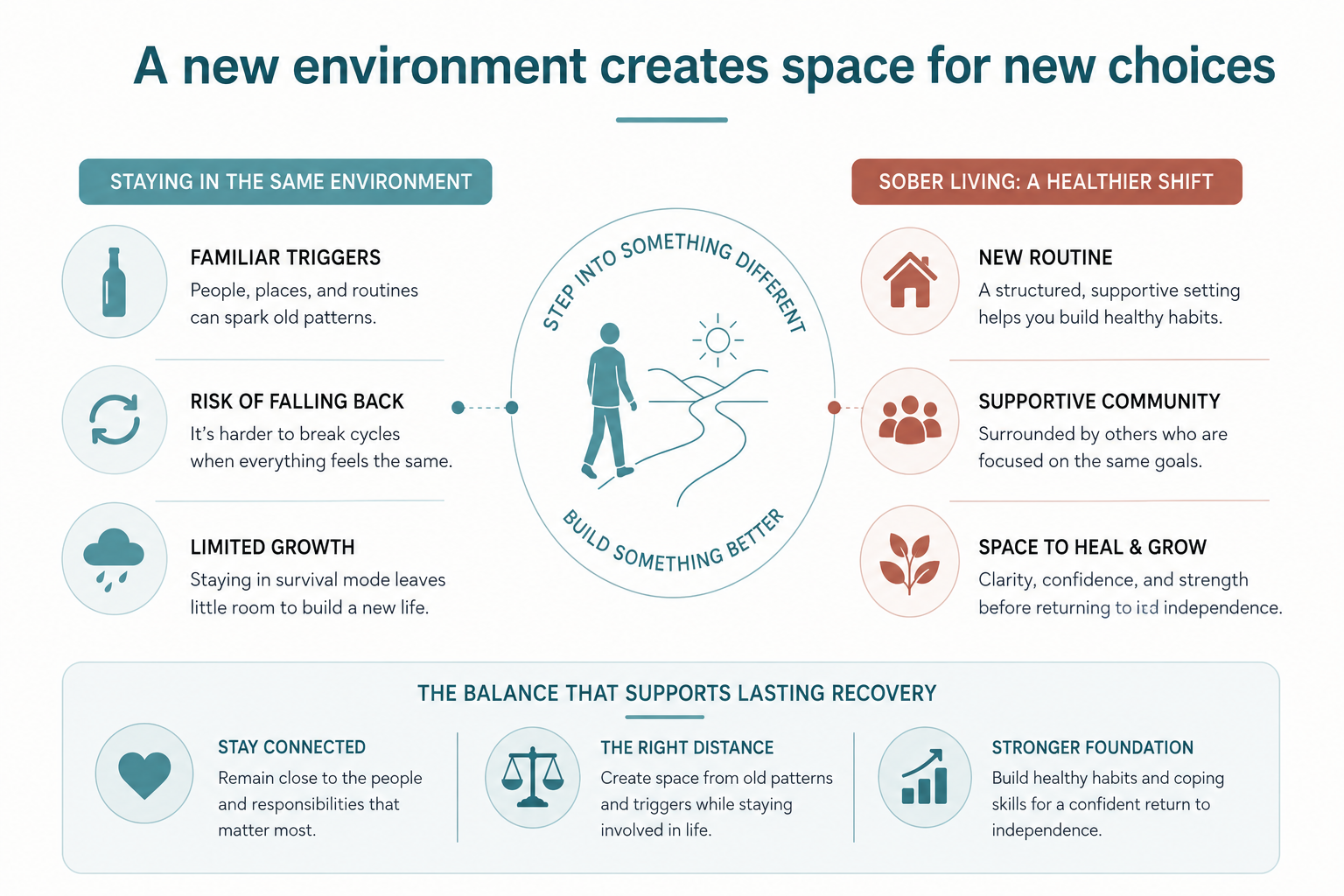
A sober living home should offer more than a place to stay. It should give residents an opportunity to practice the habits and decisions that support a stable life in recovery.
At Design for Recovery, the structure of the home creates a framework for that process. Residents are still responsible for their choices, commitments, and direction, but they have a community and environment that can reinforce the progress they're trying to make.
The Foundation Behind Our Program
Room to Establish ConsistencyClear household expectations can help residents create dependable routines around meetings, treatment, employment, personal responsibilities, and daily life.
Responsibility as Part of RecoveryResidents are encouraged to follow through, address setbacks honestly, and recognize how their everyday choices affect their progress.
A Community With Shared UnderstandingLiving alongside other men in recovery can make it easier to talk through challenges, exchange perspective, and experience the encouragement that comes from not going through the process alone.
A Gradual Move Toward IndependenceThe aim is not to keep residents dependent on structure. As they become more capable of managing their lives, they can begin taking greater ownership of their decisions and future.
Building Awareness Around Triggers
Recovery can be affected by situations that bring up cravings, difficult emotions, or familiar patterns of behavior. These may involve certain people or environments, but they can also stem from stress, isolation, conflict, or changes in routine.
Recognizing those patterns can make it easier to respond intentionally rather than automatically. Residents have opportunities to talk through difficult experiences, identify what tends to affect them, and practice healthier ways of handling challenging moments.
Take a Look Inside Our Sober Living Homes


Meet the Team Behind Design for Recovery
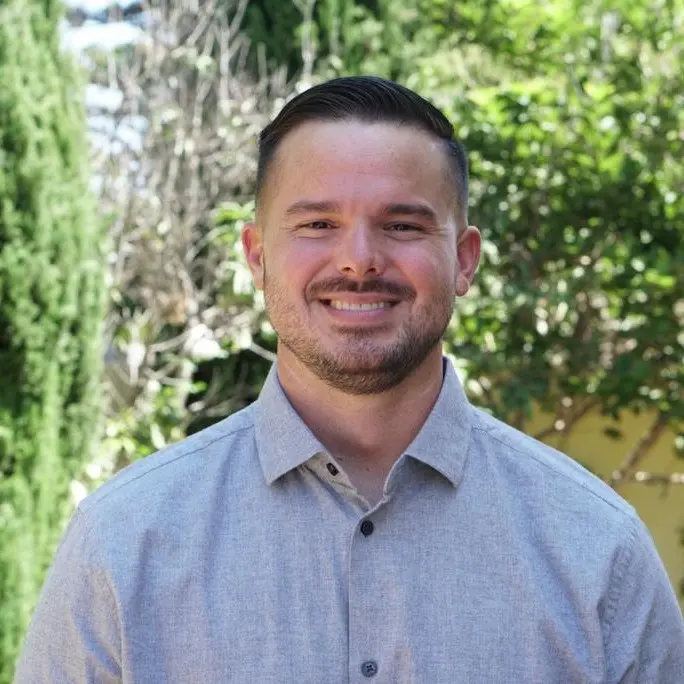
David Beasley
David Beasley is the founder and Program Director of Design for Recovery Sober Living Homes. Drawing from his own recovery experience, he created a structured, recovery-focused environment where men can rebuild their lives through accountability, mentorship, and personal growth.
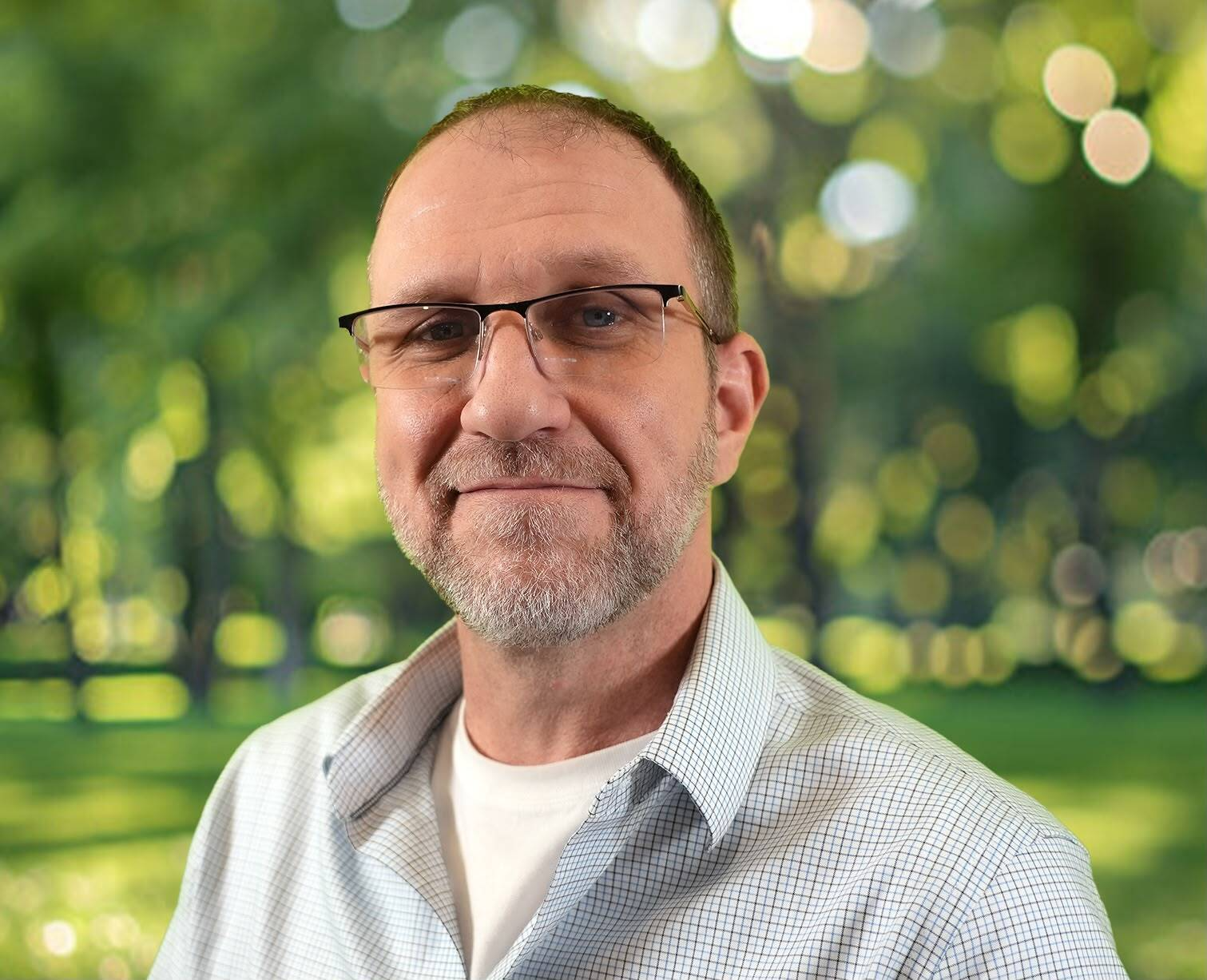
Matthew McCrystal
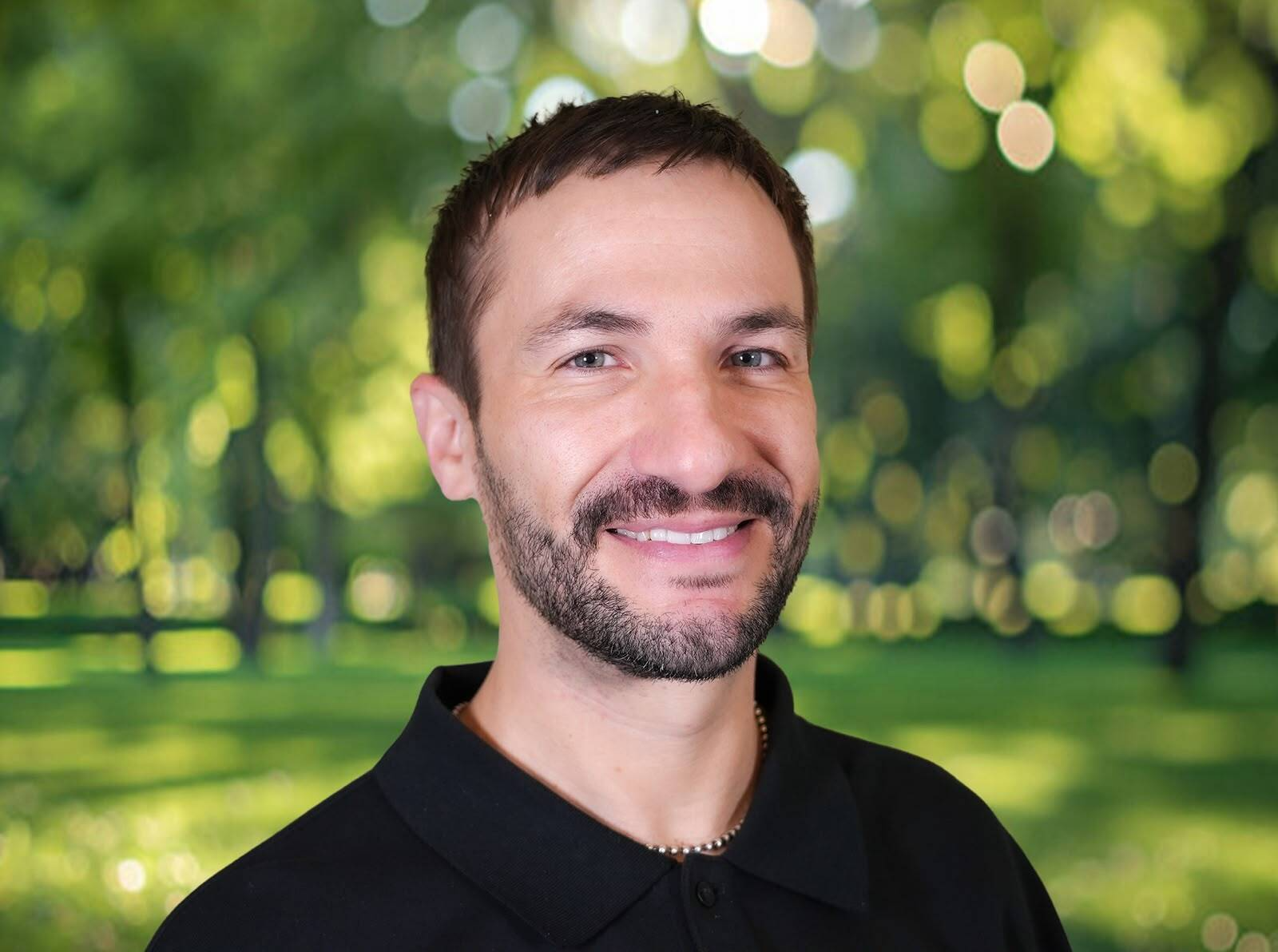
Matthew McCrystal oversees the daily operations of Design for Recovery, helping ensure every residence provides a safe, structured, and supportive environment. He brings both professional leadership and lived recovery experience to his role.
What We Offer

Employment Support
For residents preparing to work or return to the workforce, guidance can include job searches, applications, interview preparation, and developing habits that make employment sustainable.

Life Skills
Managing a home and a schedule comes with its own learning curve. Residents can strengthen practical skills such as organization, communication, time management, and handling everyday responsibilities.

12-Step Integration
Residents can incorporate meetings, sponsorship, and participation in a 12-Step community into their ongoing recovery rather than treating peer support as something separate from daily life.

One-on-One Mentoring
Individual mentoring provides an opportunity to step back from the day-to-day routine, discuss personal challenges, evaluate choices, and identify practical goals for continued growth.

Money Management
Developing financial independence starts with understanding how money is being used. Residents can work on budgeting, planning expenses, managing income, and making more intentional spending decisions.

Family Support
Family relationships can require patience and consistency during recovery. Support can help residents communicate more effectively, work through difficult dynamics, and establish boundaries where needed.

Medication Monitoring
When prescribed medication is part of a resident's care, appropriate support can help with maintaining routines while the resident continues to follow guidance from their healthcare providers.

Life in Our Sober Living Homes
The experience of sober living is found in the ordinary parts of the day. Residents may head to work, attend treatment or meetings, take care of errands, exercise, spend time with housemates, or pursue interests outside the home.
Those activities are not separate from recovery. Learning how to organize them, keep commitments, manage time, and respond to unexpected situations gives residents an opportunity to practice the skills they'll need in a less structured environment.
The home also provides a shared sense of responsibility. Residents contribute to the environment they live in while developing their own routines and working toward goals that may include employment, stronger relationships, financial stability, or independent living.
Explore Our Sober Living Homes
Finding Your Way Into the Program
Share Where You Are Now
Reach out to our admissions team to talk about your current stage of recovery, what you're looking for in sober living, and what you hope to work on next.
Get to Know the Details
We'll answer your questions and walk you through availability, house expectations, admissions requirements, and what the transition into Design for Recovery involves.
Take the Next Step When You're Ready
If you decide the program is right for you, we'll help you complete the remaining requirements and prepare for your move into the home.
In Their Own Words
Learn how residents describe the community, structure, and personal growth they've experienced while continuing their recovery.

The Changes That Can Come With Recovery
As life becomes more stable, recovery can create room to focus on areas that may have been difficult to maintain before. Progress can show up in relationships, routines, confidence, and the goals a person begins pursuing.
Rebuild Relationships With Consistency
Showing up, communicating honestly, and following through can help create a stronger foundation for relationships that matter.
Find a Rhythm That Works
A balanced routine can bring together work, meetings, treatment, exercise, rest, and personal interests without allowing any one area to take over.
Put Energy Into Your Goals
Greater stability can make it easier to focus on employment, education, hobbies, fitness, or other ambitions that give your time direction.
Feel More Prepared for Independence
Managing responsibilities and navigating challenges with less outside direction can help residents become more confident about life beyond sober living.
Why Choose Sober Living Near Cypress?
Cypress is a residential Orange County community near Los Alamitos, La Palma, Buena Park, Cerritos, and Anaheim. Its location near the Los Angeles County border gives residents access to both Orange County and nearby Long Beach-area communities.
Transportation
Cypress is connected to surrounding communities through major roads including CA-91, CA-605, and CA-39. Orange County Transportation Authority bus service also connects Cypress with neighboring cities, providing another option for residents who do not drive.
Cost of Living
Cypress has a relatively high cost of living, with housing representing a significant portion of household expenses. Costs can vary between Cypress and nearby communities depending on housing type and location.
Weather
Cypress has a mild Southern California climate, with warm, dry summers and relatively mild winters. Its inland-but-near-coastal position generally brings moderate conditions compared with communities farther inland.
For men from Cypress, sober living nearby can provide a supportive change in environment while keeping work, treatment, family, and other established connections within reach.
Typical Drive from Cypress to Design for Recovery: 40 min approx
Community Services That Support Recovery
Recovery often involves rebuilding practical parts of life alongside maintaining sobriety. Residents in Cypress and nearby communities can access resources related to healthcare, employment, education, finances, and other everyday needs.
Public Safety
| Cypress Police Department | |
| 5275 Orange Ave | |
| (714) 229-6600 |
Education
| Cypress College | |
| 9200 Valley View St | |
| (714) 484-7000 |
Employment Resources
| Army Recruiting Office Cypress, CA | |
| 9111 Valley View St Suite 110 | |
| (657) 413-3800 |
Financial Services
| Comerica Bank | |
| 6812 Katella Ave |
Community & Social Services
| Community Action Partnership - Cypress Community Center - Food Distribution Center | |
| 5700 Orange Ave | |
| (714) 667-0717 |
| Cypress Police Department | |
| 5275 Orange Ave | |
| (714) 229-6600 |
| Cypress College | |
| 9200 Valley View St | |
| (714) 484-7000 |
| Army Recruiting Office Cypress, CA | |
| 9111 Valley View St Suite 110 | |
| (657) 413-3800 |
| Comerica Bank | |
| 6812 Katella Ave |

Recovery Support Resources in Cypress
A strong support network can extend beyond the people sharing the sober living home. Residents can explore peer-support and mental health resources throughout Cypress and neighboring Orange County and Los Angeles County communities.
Local Sober & Fun Spots Near Cypress
Cypress and the surrounding area offer plenty of opportunities to build interests outside formal recovery activities. Parks, recreation programs, fitness facilities, and nearby community spaces can all become part of a healthier routine.
Fitness & Wellness
| Chuze Fitness | |
| 9851 Walker St | |
| (657) 214-5625 |
Parks
| Lexington Park | |
| 4600 W Cerritos Ave | |
| (714) 229-6780 |
Cultural & Social Venues
| Cypress College Art Gallery | |
| Theatre Arts Building, 9200 Valley View St Room 112 | |
| (714) 484-7139 |
| Chuze Fitness | |
| 9851 Walker St | |
| (657) 214-5625 |
| Lexington Park | |
| 4600 W Cerritos Ave | |
| (714) 229-6780 |
| Cypress College Art Gallery | |
| Theatre Arts Building, 9200 Valley View St Room 112 | |
| (714) 484-7139 |
Local Public Health Trends in Cypress
Substance use remains a public health concern across Orange County and neighboring Los Angeles County communities. Broader public health data provides context for the continued need for prevention, treatment, overdose response, and long-term recovery support.
Overdose Deaths
Recent reporting shows 526 overdose deaths during the most recent reporting period.
Naloxone Distribution
Public health programs serving the Cypress area have distributed 17061.6 naloxone kits, supporting access to overdose-response resources.
Opioid-Related Hospitalizations
The opioid-related hospitalization rate for the relevant local area is reported at 9.9 per 100k, providing another measure of the impact of opioid use in the community.
Building on a Stronger Foundation
The next stage of recovery may look different from the one that came before it. As stability develops, residents can begin focusing on the relationships, responsibilities, work, interests, and long-term plans they want to carry forward.
Design for Recovery gives men a structured place to work on those areas while continuing to benefit from accountability and a community built around recovery.
If you're considering sober living near Cypress, our team can help you learn more about Design for Recovery and what moving forward could look like for you.

Frequently Asked Questions About Sober Living in Cypress
Yes. Residents can maintain employment while living in sober housing. Your work schedule and location can be discussed during admissions.
That can still be workable. Cypress is close to several Orange County and southeast Los Angeles communities, so your commute and other daily commitments can be considered when planning your transition.
Yes. Residents can continue appropriate outpatient treatment, therapy, and healthcare appointments while living at Design for Recovery.
Yes. OCTA bus service provides connections between Cypress and surrounding communities. The best option will depend on where you work, receive treatment, and attend meetings.
Yes. Supportive relationships can remain an important part of recovery. Residents can maintain appropriate connections while following the expectations of the sober living home.
Consider the level of structure you need, the home's expectations, your work and treatment schedule, transportation, and whether the community will support the goals you're working toward.
Loading Instagram feed...