(424) 242-1130
Sober Living for Men in Cudahy, California
 Read Reviews
 What to Expect
 Get Local Help
Our Stats


Why Design for Recovery
Choosing a men's sober living program is about more than finding a place to stay. At Design for Recovery, we believe recovery is built through daily actions, supportive relationships, and an environment where every resident has the opportunity to continue growing. Our recovery residences help men establish the habits and mindset needed for lasting independence.
The Foundation Behind Our Program
Structured LivingConsistent routines and clear expectations help create stability and make healthy habits easier to maintain.
Meaningful AccountabilityResidents are encouraged to take ownership of their recovery while receiving support from staff and peers.
Recovery-Focused CommunityLiving alongside other men working toward similar goals creates connection, encouragement, and mutual support throughout recovery.
Growth Through IndependenceEvery step is designed to help residents strengthen life skills, build confidence, and prepare for independent living.
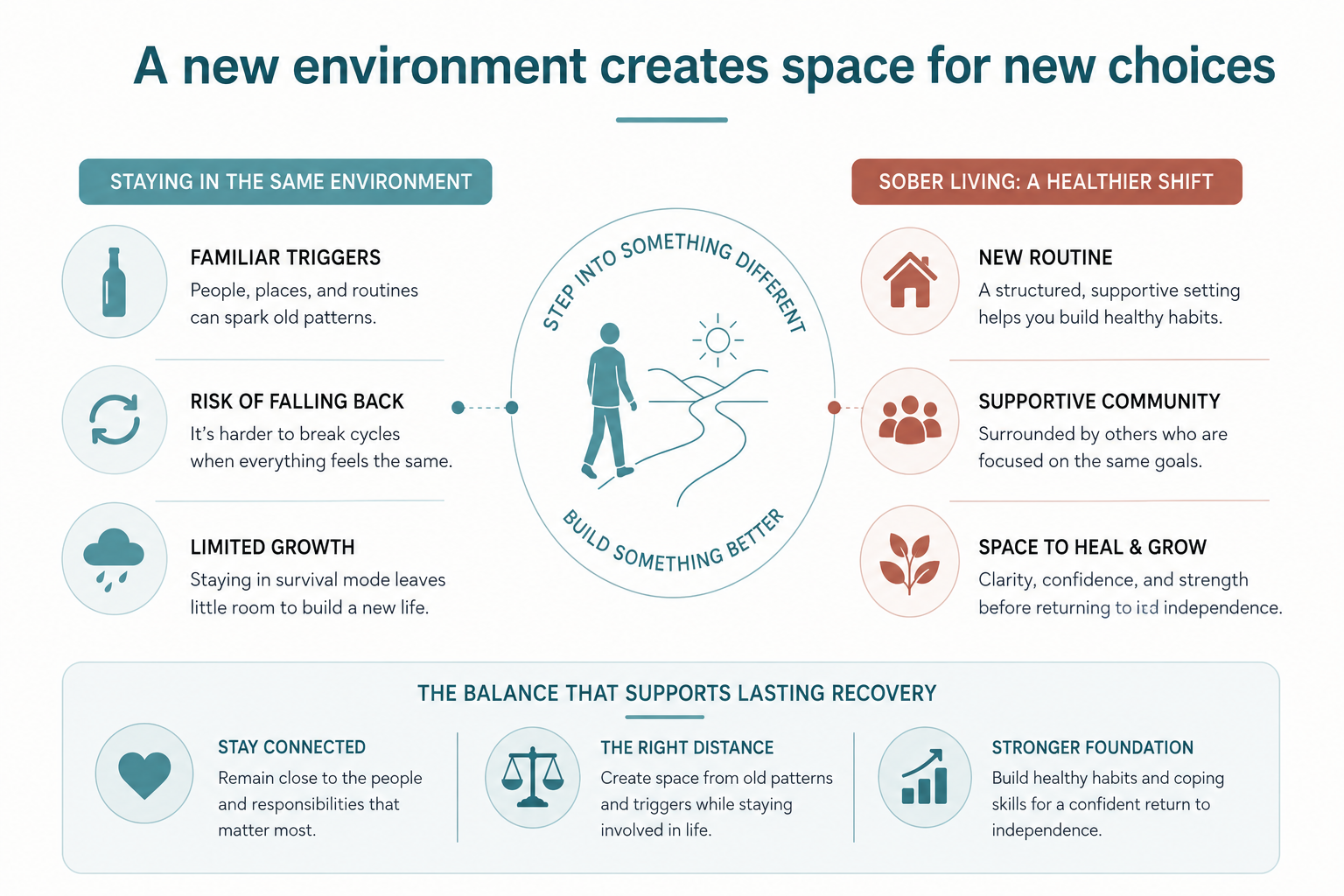
Sometimes Progress Starts With a Different Daily Routine
Recovery isn't only about avoiding unhealthy influences. It's also about creating enough consistency for healthier choices to become part of everyday life. Waking up with purpose, following a routine, and spending time around people who share similar goals can gradually change the way each day feels. Over time, those ordinary moments begin shaping extraordinary progress.
For men coming from Cudahy, supportive recovery housing offers an opportunity to establish that consistency while remaining within reach of family, employment, and the responsibilities that continue beyond treatment.
Take a Look Inside Our Sober Living Homes


The People Behind the Program
David Beasley
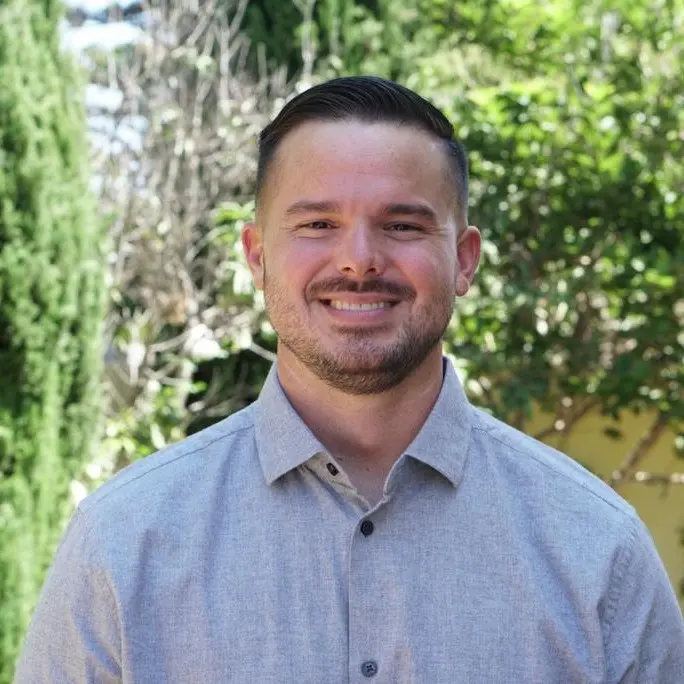
David Beasley is the founder and Program Director of Design for Recovery Sober Living Homes. Drawing from his own recovery experience, he created a structured, recovery-focused environment where men can rebuild their lives through accountability, mentorship, and personal growth.

Matthew McCrystal
Matthew McCrystal oversees the daily operations of Design for Recovery, helping ensure every residence provides a safe, structured, and supportive environment. He brings both professional leadership and lived recovery experience to his role.

What We Offer

Employment Support
Returning to steady work is often the clearest sign that recovery is holding. Residents get direct help with resumes, interview prep, and the job search itself, paired with daily accountability that keeps momentum going.

Life and Recovery Skills
Sobriety holds up better when day-to-day life feels manageable. Daily structure and peer accountability help residents build habits like budgeting and follow-through that early recovery relies on.

12-Step Programming
Our houses operate around 12-Step principles. Residents receive support in finding a sponsor, attending meetings, and applying those values daily, not just during meetings themselves.

One-on-One Mentoring
Beyond house structure, each resident gets dedicated one-on-one mentor time to work through what's actually happening beneath the daily routine, not just rule compliance.

Money Management
Money stress quietly derails a lot of early recovery. Residents build practical financial skills here: budgeting, saving, and habits designed to last well beyond their time in the house.

Family Services
We recognize recovery affects the whole family, not just the resident. We help loved ones understand what genuine support looks like right now, and how to stay engaged without hovering.

Medication Monitoring
For residents managing medications, consistency is critical. We help track schedules and maintain the connection to prescribing clinicians so treatment continues uninterrupted.

Life in Our Sober Living Homes
A recovery home brings together people from different backgrounds who all share one goal: creating a healthier future. That shared purpose shapes everyday life in meaningful ways.
Residents encourage one another before job interviews, celebrate personal milestones together, share advice from their own experiences, and remind each other that setbacks don't define the journey.
Those moments create a sense of belonging that's difficult to find elsewhere. Instead of feeling like you're navigating recovery alone, you become part of a community where progress is shared, and every step forward is recognized.
Explore Our Sober Living Homes
Admissions From Start to Finish
The First Call
We begin by listening, whether you're reaching out for yourself or someone else, to understand where things stand and what kind of support would genuinely help.
Working Out the Fit
From there, we cover cost, logistics, and what's included, so nothing about move-in is unexpected. We work together to pinpoint what matters most: job support, daily accountability, or meeting-based structure.
Settling Into the House
Once it's confirmed as a fit, we'll cover what move-in day looks like: meeting housemates, a full walkthrough, and expectations laid out clearly. Most residents settle in quickly.
In Their Own Words
Alumni share what changed for them during their time with Design for Recovery.

Recovery Is Built One Day at a Time
Lasting recovery rarely comes from dramatic changes overnight. More often, it's the result of consistently making better choices, learning from setbacks, and continuing to move forward. A recovery residence provides the stability to practice those skills every day until they become part of who you are.
Turn Small Wins Into Lasting Progress
Getting to work on time, following through on commitments, preparing meals, or simply ending the day knowing you've stayed true to your goals may seem like small victories, but together they create meaningful momentum.
Learn From the People Around You
Everyone enters recovery with a different story. Living alongside others allows residents to gain new perspectives, share practical advice, and realize they aren't facing challenges alone.
Make Room for Personal Growth
Recovery creates opportunities to discover strengths that may have been overlooked for years. As daily life becomes more stable, many residents begin pursuing interests, goals, and experiences they once believed were out of reach.
Leave With More Than Sobriety
The goal isn't simply to stop using substances. It's to leave with stronger relationships, healthier habits, practical life skills, and greater confidence in your ability to navigate the future.
Why Choose Sober Living Near Cudahy?
Choosing sober living near Cudahy allows you to stay connected to the people and responsibilities that matter while recovering in an environment designed to support long-term success. Its location within Southeast Los Angeles makes commuting to work, outpatient care, and family visits practical without sacrificing the stability that structured sober living provides.
Transportation
Cudahy is conveniently located near Interstate 710, Interstate 5, and Interstate 105, with major roads including Atlantic Avenue, Florence Avenue, and Firestone Boulevard providing access throughout Los Angeles County. Metro bus routes also make it easy to travel to work, appointments, and recovery meetings.
Cost of Living
Cudahy's cost of living is higher than the national average, with housing accounting for the largest share of monthly expenses. Its central location within Los Angeles County continues to make it an accessible community for commuters working throughout the region.
Weather
Cudahy experiences warm, sunny summers and mild winters, allowing residents to enjoy outdoor recreation, neighborhood parks, and walking trails throughout much of the year.
Typical Drive from Cudahy to Design for Recovery: 22 minutes approx (depending on traffic)
Community Services That Support Recovery
Recovery often extends beyond the home itself. Cudahy and neighboring communities provide access to healthcare providers, educational programs, employment assistance, financial resources, and local organizations that can support continued personal growth and long-term stability.
Public Safety
| Cudahy Police Department | |
| 5050 S Lake Dr | |
| (414) 769-2260 |
Education
| Cudahy Library | |
| 5218 Santa Ana St | |
| (323) 771-1345 |
Employment Resources
| ASAP Staffing | |
| 7200 Atlantic Ave Suite C | |
| (323) 996-5227 |
Financial Services
| U.S. Bank Branch | |
| 7220 Atlantic Ave |
| Cudahy Police Department | |
| 5050 S Lake Dr | |
| (414) 769-2260 |
| Cudahy Library | |
| 5218 Santa Ana St | |
| (323) 771-1345 |
| ASAP Staffing | |
| 7200 Atlantic Ave Suite C | |
| (323) 996-5227 |
| U.S. Bank Branch | |
| 7220 Atlantic Ave |

Recovery Support Resources in Cudahy
Peer support plays an important role in maintaining recovery. Residents living near Cudahy have access to meetings and recovery organizations throughout Southeast Los Angeles, making it easier to stay connected to a supportive recovery community.
Local Sober & Fun Spots Near Cudahy
Recovery also means finding new ways to enjoy your time and reconnect with your community. Cudahy's central location provides easy access to parks, recreation centers, fitness facilities, local events, and cultural attractions throughout Southeast Los Angeles.
Fitness & Wellness
| The Camp Transformation Center | |
| 7503 Atlantic Ave D Bell | |
| (323) 561-0857 |
Parks
| Cudahy Park | |
| 5220 Santa Ana St | |
| (323) 773-5143 |
Cultural & Social Venues
| Mom's Art Studio | |
| 4901 Patata St #411 |
| The Camp Transformation Center | |
| 7503 Atlantic Ave D Bell | |
| (323) 561-0857 |
| Cudahy Park | |
| 5220 Santa Ana St | |
| (323) 773-5143 |
| Mom's Art Studio | |
| 4901 Patata St #411 |
Local Public Health Trends in Cudahy
Substance use continues to impact communities across Los Angeles County, including Cudahy. Local public health data highlights the ongoing importance of treatment, overdose prevention, and long-term recovery support.
Overdose Deaths
In Cudahy, recent reporting shows 1,784 overdose deaths in the most recent reporting period, highlighting the continued need for accessible treatment and recovery services.
Naloxone Distribution
Public health agencies serving Cudahy have distributed 22,882 naloxone kits to expand access to overdose prevention resources and emergency intervention.
Opioid-Related Hospitalizations
The opioid-related hospitalization rate in Cudahy is reported at 10.0 per 100k, demonstrating the continued need for comprehensive addiction treatment and supportive recovery housing.
Your Past doesn't define Your Future
Recovery is an opportunity to create a life that reflects who you want to become rather than where you've been. If you're looking for a recovery residence near Cudahy, our admissions team is ready to help you explore your options and take the next step with confidence.

Frequently Asked Questions About Sober Living in Cudahy
Our homes are located in four neighborhoods: Mar Vista, Westchester, Playa del Rey, and Jefferson Park. Each offers a different part of the city, from the Westside coast to South LA, but all residents share the same program and community.
No. It's common for residents to arrive without a job, and our Employment Support program helps them find one once they're settled.
Family plays an important role here. Visiting hours and guidelines differ by house, and our team explains the details once you're in contact with us.
Often, yes. Availability shifts house to house, so the fastest way to know is to call and talk through what's currently open.
It's a short, manageable drive, close enough that residents coming from Cudahy stay within easy reach of family and familiar routines.
There's no set timeline. Most residents stay well beyond the initial adjustment period, long enough for structure and accountability to genuinely take hold, and our team works with each person to figure out what timeline makes sense.
Loading Instagram feed...