(424) 242-1130
Sober Living for Men in Covina, California
 Read Reviews
 What to Expect
 Get Local Help
Our Stats


Why Design for Recovery
Recovery is built through what happens between major milestones. The routines you establish, the decisions you make, and the way you respond to everyday challenges all become part of maintaining progress.
At Design for Recovery, residents have a structured environment where those skills can be practiced in real life. The goal is to provide support without taking away ownership, giving residents room to make decisions, work through challenges, and become more confident managing their own lives.
The Foundation Behind Our Program
Structure With PurposeClear expectations give residents a dependable framework for balancing recovery with employment, treatment, meetings, and responsibilities at home.
Accountability in Everyday LifeResidents are encouraged to follow through on their commitments and take an honest look at the choices that influence their progress.
A Community That UnderstandsLiving alongside other men in recovery creates opportunities for encouragement, shared perspective, and connections that can make the process feel less isolating.
Progress Toward IndependenceResidents gradually take greater responsibility for their schedules, decisions, and obligations as they prepare for life beyond a structured recovery home.
Recognizing Patterns That Can Affect Recovery
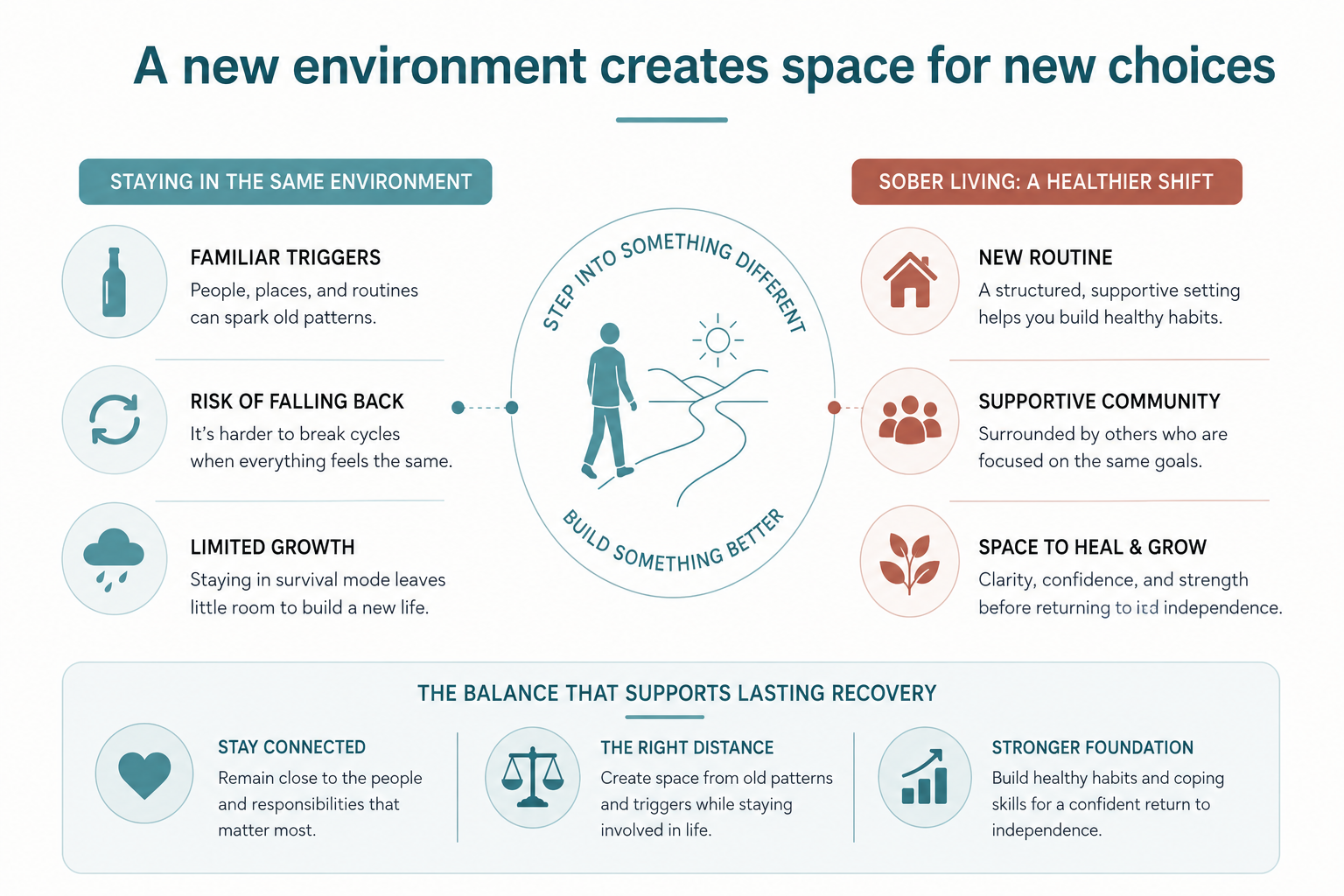
Triggers can be tied to familiar places, relationships, routines, or situations, but they can also appear through emotions such as stress, frustration, loneliness, or uncertainty.
Recognizing those patterns can help residents understand what tends to make recovery more difficult for them. In a sober living environment, they can practice pausing, using healthier coping strategies, and reaching out for support rather than automatically falling back on familiar responses.
Over time, the goal is to become more aware of triggers and more confident in handling them.
Take a Look Inside Our Sober Living Homes


Meet the Team Behind Design for Recovery
David Beasley
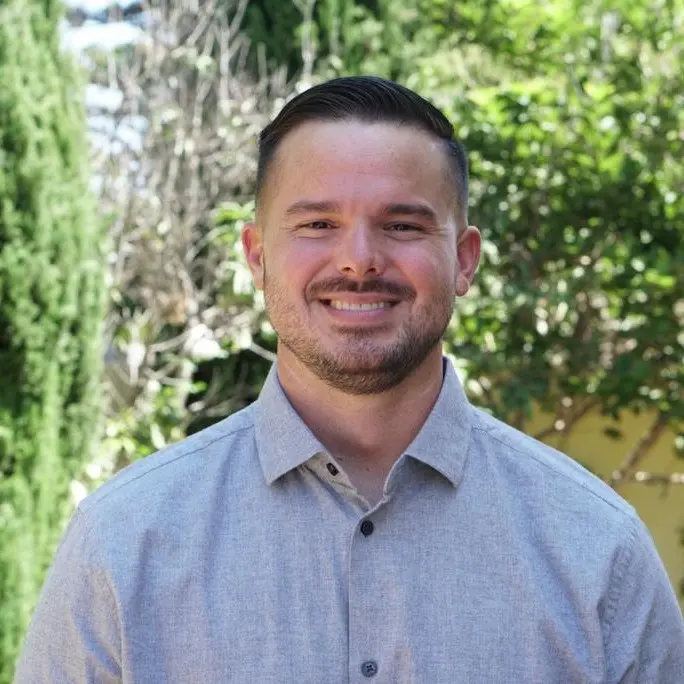
David Beasley is the founder and Program Director of Design for Recovery Sober Living Homes. Drawing from his own recovery experience, he created a structured, recovery-focused environment where men can rebuild their lives through accountability, mentorship, and personal growth.

Matthew McCrystal
Matthew McCrystal oversees the daily operations of Design for Recovery, helping ensure every residence provides a safe, structured, and supportive environment. He brings both professional leadership and lived recovery experience to his role.

What We Offer

Employment Support
Residents can receive practical assistance with job searches, applications, resumes, interview preparation, and developing routines that help them remain consistent once employed.

Life Skills
Residents work on the practical side of independent living, including planning, organization, communication, household responsibilities, and managing their time effectively.

12-Step Integration
Residents can build regular meetings, sponsorship, and participation in a 12-Step community into their broader recovery routine.

One-on-One Mentoring
Individual mentoring gives residents dedicated support for working through personal challenges, evaluating decisions, setting goals, and staying accountable.

Money Management
Residents can learn to organize their finances, prioritize expenses, manage spending, and develop habits that prepare them for greater financial independence.

Family Support
Support can help residents navigate family concerns, improve communication, establish appropriate boundaries, and demonstrate progress through consistent actions.

Medication Monitoring
Residents can receive appropriate assistance with prescribed medication routines while continuing to coordinate care with their physicians and other healthcare providers.

Life in Our Sober Living Homes
Sober living becomes part of the rhythm of everyday life. Residents have their own schedules and responsibilities, but they also return to a home where recovery remains a shared priority.
There is also a practical side to living with others. Residents share responsibilities, navigate different personalities, and learn how to communicate and handle disagreements constructively. Those experiences can help prepare them for the independence that comes after sober living.
Explore Our Sober Living Homes
Your Path to Admissions
Reach Out to Our Team
Tell us about your current stage of recovery, what you're hoping to find in sober living, and what questions you have. Our admissions team can help you understand whether Design for Recovery is a good fit.
Learn About Life in the Home
We'll go over availability, house expectations, admissions requirements, and the practical details you'll want to know before making a decision.
Move Forward With a Plan
If you decide to join the program, we'll guide you through the remaining admissions requirements and help you prepare for your transition.
In Their Own Words
Hear from residents about the experiences, challenges, and progress that have shaped their time in recovery.

Creating a Life With More Stability
Recovery can gradually change what everyday life looks like. With greater consistency, residents may find more room to focus on relationships, responsibilities, personal interests, and the future.
Rebuild a Sense of Reliability
Following through on commitments can help restore confidence in yourself while showing the people around you that they can count on you.
Develop Better Daily Habits
Consistent routines around work, recovery, sleep, exercise, and responsibilities can make it easier to stay grounded from one day to the next.
Invest in Your Future
Greater stability can make it easier to think beyond immediate needs and work toward education, career goals, financial security, or other long-term plans.
Enjoy Life Without Losing Your Progress
Recovery can include recreation, hobbies, friendships, and new experiences while keeping sobriety at the center of your decisions.
Why Choose Sober Living Near Covina?
Covina is centrally positioned within the San Gabriel Valley, with nearby communities including West Covina, Glendora, Azusa, Baldwin Park, and San Dimas. Its location can be useful for residents whose work, treatment, family, or other commitments extend across the eastern San Gabriel Valley.
Transportation
Covina is accessible through I-10, CA-210, and CA-39, with Metrolink and Foothill Transit providing connections to surrounding communities. The city's location along major east-west and north-south corridors can make commuting throughout the San Gabriel Valley more manageable.
Cost of Living
Covina's cost of living reflects its location within the greater Los Angeles area, with housing accounting for a significant share of household expenses. Costs vary depending on the neighborhood and surrounding community.
Weather
Covina has a warm inland Southern California climate, with hotter summers and mild winters. The generally dry conditions provide opportunities for outdoor activities throughout much of the year.
For men from Covina, sober living nearby can offer a different home environment while keeping existing work, treatment, family, and community connections accessible.
Typical Drive from Covina to Design for Recovery: 37 min approx
Community Services That Support Recovery
Maintaining recovery can involve working on several practical areas at the same time. Covina and surrounding San Gabriel Valley communities provide access to healthcare, employment, education, financial services, and other resources that can support residents as they build greater stability.
Healthcare
| Emanate Health Inter-Community Hospital | |
| 210 W San Bernardino Rd | |
| (626) 331-7331 |
Public Safety
| Covina Police Department | |
| 444 N Citrus Ave | |
| (626) 384-5595 |
Education
| Covina Public Library | |
| 234 N 2nd Ave | |
| (626) 384-5303 |
Employment Resources
| Express Employment Professionals | |
| 599 S Barranca Ave Penthouse Suite | |
| (626) 339-2200 |
Financial Services
| Credit Union of Southern California | |
| 1404 N Azusa Ave |
Community & Social Services
| ACTION Food Pantry | |
| 17880 E Covina Blvd | |
| (626) 319-0554 |
| Emanate Health Inter-Community Hospital | |
| 210 W San Bernardino Rd | |
| (626) 331-7331 |
| Covina Police Department | |
| 444 N Citrus Ave | |
| (626) 384-5595 |
| Covina Public Library | |
| 234 N 2nd Ave | |
| (626) 384-5303 |
| Express Employment Professionals | |
| 599 S Barranca Ave Penthouse Suite | |
| (626) 339-2200 |
| Credit Union of Southern California | |
| 1404 N Azusa Ave |
| ACTION Food Pantry | |
| 17880 E Covina Blvd | |
| (626) 319-0554 |

Recovery Support Resources in Covina
A recovery network can extend well beyond the sober living home. Residents can find peer support and mental health resources throughout Covina and neighboring San Gabriel Valley communities.
Local Sober & Fun Spots Near Covina
Covina and the surrounding San Gabriel Valley offer a variety of ways to spend free time, from parks and fitness activities to community events and recreation. Exploring those options can help residents build a routine with interests that support their recovery.
Outdoor Activities
| Schabarum Grand Spur trail | |
| 2318 1/2 Cameron Ave |
Fitness & Wellness
| ANYTIME FITNESS COVINA | |
| 215 S Citrus Ave | |
| (626) 224-3973 |
Parks
| Covina Park | |
| 301 4th Ave | |
| (626) 384-5340 |
Entertainment & Recreation
| Kids Empire Covina | |
| 1316 N Azusa Ave | |
| (626) 541-9190 |
Cultural & Social Venues
| AMC Covina 17 | |
| 1414 N Azusa Ave | |
| (626) 974-8624 |
| Schabarum Grand Spur trail | |
| 2318 1/2 Cameron Ave |
| ANYTIME FITNESS COVINA | |
| 215 S Citrus Ave | |
| (626) 224-3973 |
| Covina Park | |
| 301 4th Ave | |
| (626) 384-5340 |
| Kids Empire Covina | |
| 1316 N Azusa Ave | |
| (626) 541-9190 |
| AMC Covina 17 | |
| 1414 N Azusa Ave | |
| (626) 974-8624 |
Local Public Health Trends in Covina
Substance use remains a public health concern across Los Angeles County, including communities throughout the San Gabriel Valley. Broader public health data provides context for the continued importance of prevention, treatment, overdose response, and long-term recovery support.
Overdose Deaths
Recent reporting shows 1,784 overdose deaths during the most recent reporting period.
Naloxone Distribution
Public health programs serving the Covina area have distributed 22,882 naloxone kits, supporting access to overdose-response resources.
Opioid-Related Hospitalizations
The opioid-related hospitalization rate for the relevant local area is reported at 10.0 per 100k, providing another measure of the impact of opioid use in the community.
Building Toward Greater Independence
Recovery is not a single destination. As residents become more stable, their priorities can shift from establishing a routine to pursuing work, rebuilding relationships, managing finances, developing interests, or preparing for independent living.
Design for Recovery gives residents room to work toward those changing priorities within a structured environment where accountability and community remain part of everyday life.

Frequently Asked Questions About Sober Living in Covina
Yes. Residents can maintain employment while living in sober housing. Your work schedule and location can be discussed during admissions when considering transportation and daily routines.
Yes. Residents can continue appropriate outpatient treatment, therapy, and healthcare appointments while living at Design for Recovery.
Yes. Residents can connect with AA, NA, SMART Recovery, and other recovery-support options in Covina and surrounding communities.
Yes. Healthy family relationships can remain an important part of recovery. Residents can maintain supportive connections while following the expectations of their sober living home.
It can be. Sober living allows residents to take responsibility for work, treatment, relationships, and everyday decisions while continuing to have structure and accountability around them.
Loading Instagram feed...