(424) 242-1130
Sober Living for Men In Cerritos, California
 Read Reviews
 What to Expect
 Get Local Help
Our Stats


Why Design for Recovery
The move from treatment into everyday life comes with a different kind of responsibility. At Design for Recovery, residents have an opportunity to put what they've learned into practice while navigating the decisions and challenges that come with rebuilding their lives.
Our homes provide a framework rather than a replacement for personal responsibility. Residents are expected to participate in their recovery, contribute to the household, and keep working toward their own goals while having a supportive community around them.
The Foundation Behind Our Program
Structured LivingA dependable home environment provides a framework for establishing routines while balancing recovery with work, treatment, meetings, and personal commitments.
Meaningful AccountabilityResidents are encouraged to take responsibility for what they commit to and use accountability as a way to stay engaged with their progress.
Recovery-Focused CommunityLiving with other men committed to sobriety creates a shared environment where residents can find encouragement, perspective, and connection.
Growth Through IndependenceTaking on more responsibility over time helps residents develop the confidence and practical skills needed to manage life beyond sober living.
When a New Environment Can Support Recovery
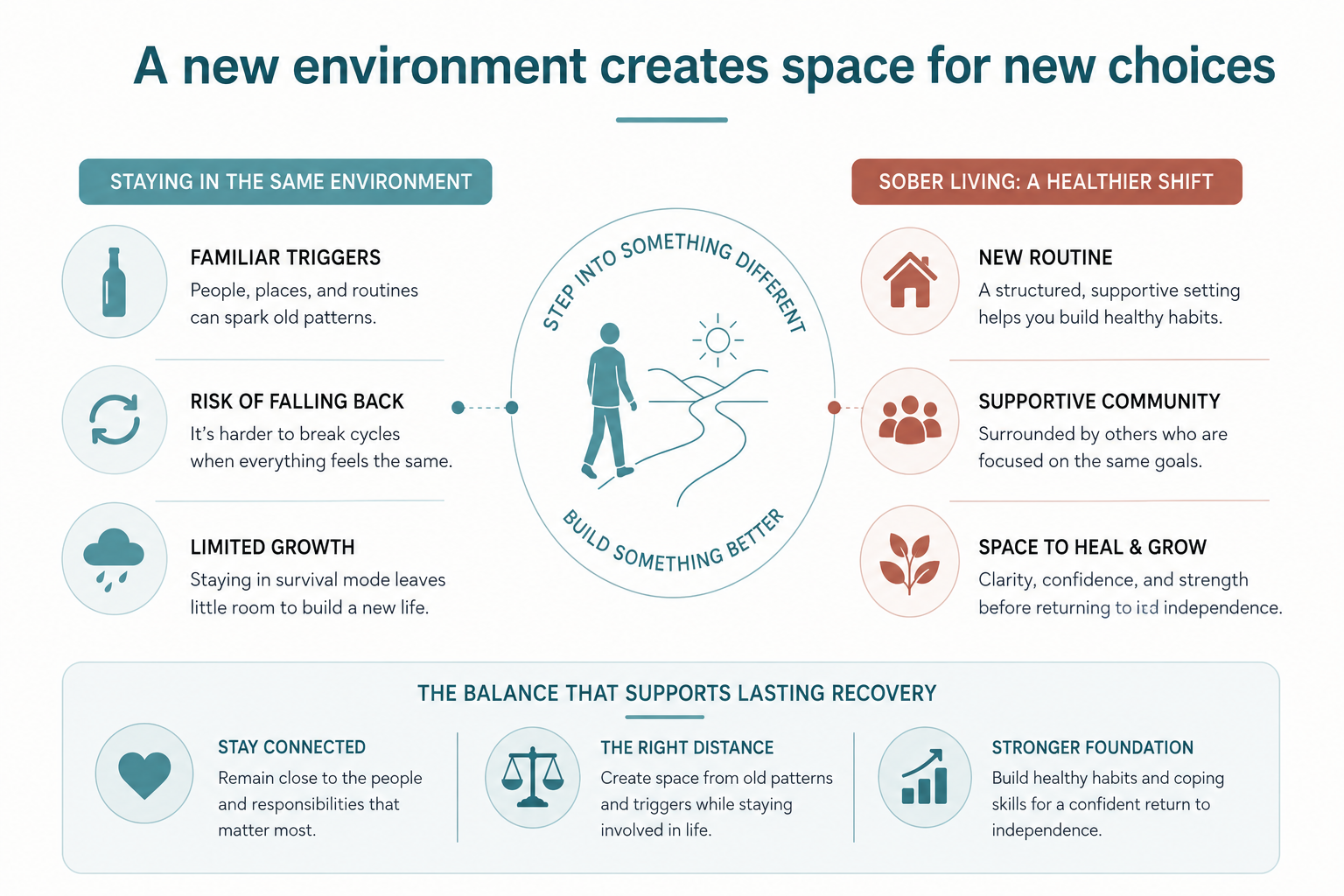
The places and people around you can become closely connected to the habits you develop. Returning to familiar settings associated with substance use may make it harder to establish a different rhythm after treatment.
Sober living provides a setting where the expectations are different. Residents return to a home where sobriety is understood, recovery is part of the culture, and healthier routines have room to become established.
Take a Look Inside Our Sober Living Homes


Meet the Team Behind Design for Recovery
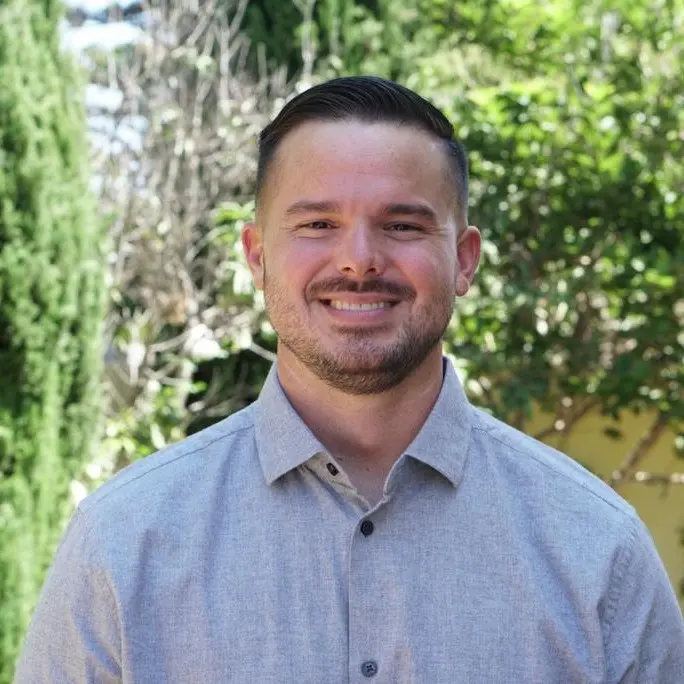
David Beasley
David Beasley is the founder and Program Director of Design for Recovery Sober Living Homes. Drawing from his own recovery experience, he created a structured, recovery-focused environment where men can rebuild their lives through accountability, mentorship, and personal growth.
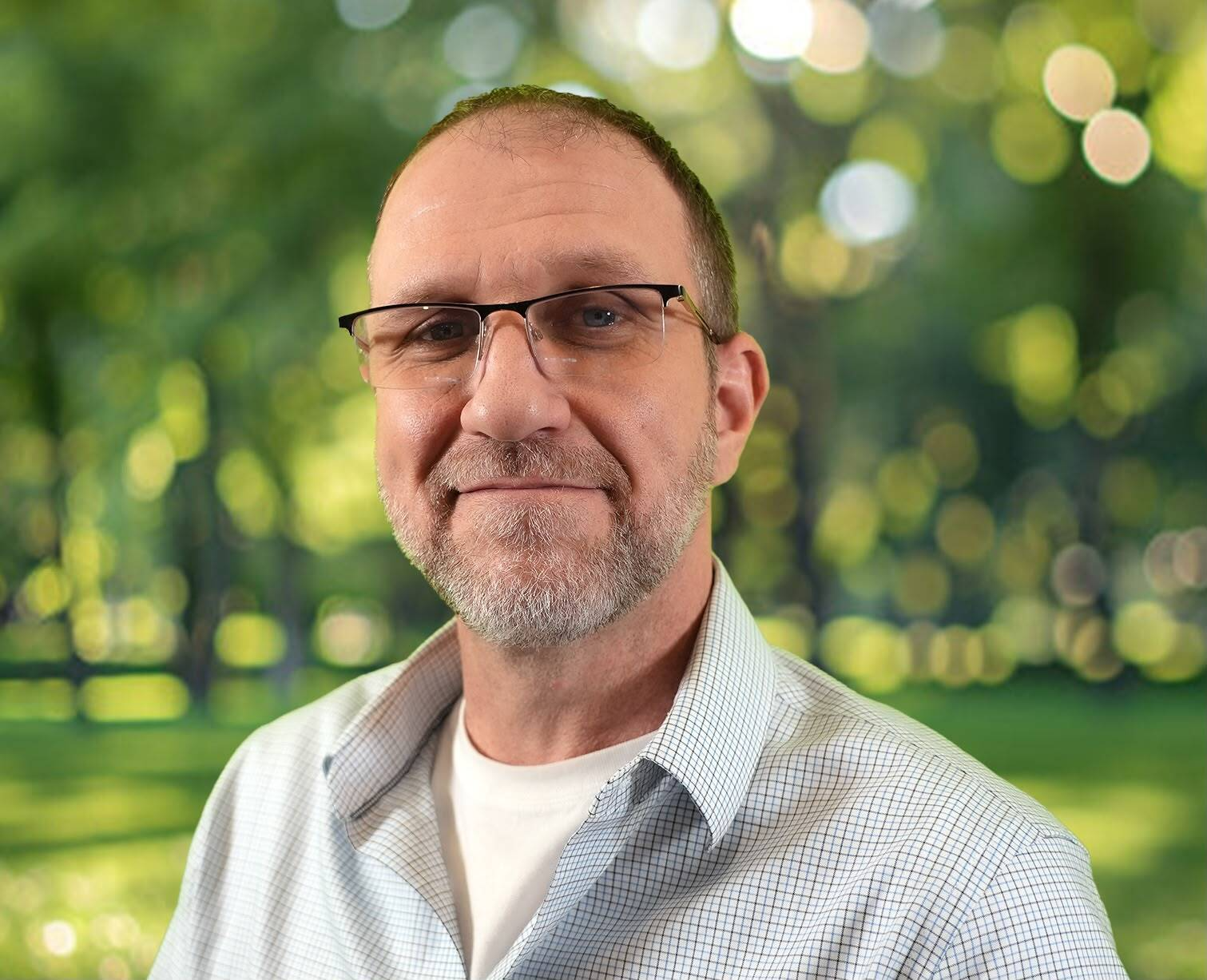
Matthew McCrystal
Matthew McCrystal oversees the daily operations of Design for Recovery, helping ensure every residence provides a safe, structured, and supportive environment. He brings both professional leadership and lived recovery experience to his role.
What We Offer

Employment Support
Help with resumes, interview preparation, job searches, and maintaining accountability while residents work toward steady employment.

Life Skills
Practical guidance with planning, communication, organization, household responsibilities, and the everyday decisions involved in living independently.

12-Step Integration
Support for building regular meeting attendance, connecting with a sponsor, and staying actively involved in recovery.

One-on-One Mentoring
Individual guidance that gives residents space to address challenges, consider their progress, and work toward personal goals.

Money Management
Assistance with budgeting, spending choices, and developing financial habits that can support greater stability.

Family Support
Guidance around healthier communication, boundaries, and rebuilding relationships with family members and loved ones.

Medication Monitoring
Support with maintaining prescribed medications and coordinating appropriately with the healthcare professionals involved in ongoing care.

Life in Our Sober Living Homes
At Design for Recovery, residents are encouraged to build a routine that works around their own responsibilities. Work, education, treatment, meetings, exercise, and personal interests can all become part of a balanced day while recovery remains a central priority.
The home gives residents a consistent place to return to while they navigate those different parts of life. Over time, they can learn what routines help them stay organized, what choices support their sobriety, and where they need to become more intentional with their time.
Living alongside other men in recovery also provides a different kind of learning. Residents see how others manage challenges, responsibilities, and progress, creating opportunities to gain perspective while continuing to work on their own recovery.
Explore Our Sober Living Homes
Your Path to Admissions
Start the Conversation
Our admissions team can learn more about your situation, answer questions about sober living, and explain what you can expect from Design for Recovery.
Go Over Your Options
We'll review admissions requirements, house expectations, current availability, and the move-in process so you know what the transition will involve.
Get Ready for Your Next Step
Once you've completed the admissions process, we'll help you prepare for move-in and begin settling into a home built around recovery, accountability, and personal growth.
In Their Own Words
Hear directly from residents about the experience of continuing recovery in a structured sober living environment.

The Positive Changes of Sobriety
Sobriety can influence the way you approach your time, relationships, responsibilities, and plans for the future. With continued recovery, those areas can begin moving in a healthier direction.
Regain Your Focus
Greater clarity can make it easier to concentrate on work, relationships, personal goals, and the decisions that shape your future.
Develop Greater Self-Awareness
Recovery creates opportunities to recognize patterns, understand your responses to challenges, and make more intentional choices.
Strengthen Your Support Network
As you build healthier relationships and stay connected to people who support your sobriety, your recovery can become less isolated.
Create a More Stable Future
Consistent recovery can make it easier to work toward lasting goals involving career, finances, relationships, and independent living.
Why Choose Sober Living Near Cerritos?
Cerritos sits near several Southeast Los Angeles and northern Orange County communities, including Artesia, La Palma, Norwalk, and Lakewood. For men from Cerritos, sober living nearby can provide a supportive change of environment while keeping everyday responsibilities and important relationships within reach.
Transportation
Cerritos is accessible from I-605, I-5, and CA-91, with major roads including Artesia Boulevard, South Street, and Bloomfield Avenue. Long Beach Transit, Metro, and other regional services provide connections to surrounding communities.
Cost of Living
Cerritos has a higher cost of living than the national average. Housing costs are generally higher than in many inland areas, while the city remains connected to employment and services across both Los Angeles and Orange counties.
Weather
Cerritos has a warm, dry climate with mild winters and limited summer rainfall. The generally comfortable conditions provide opportunities to incorporate outdoor recreation into a healthy routine.
For men from Cerritos, living nearby can offer a practical way to maintain important parts of daily life while establishing a home environment where recovery receives consistent attention.
Typical Drive from Cerritos to Design for Recovery: 32 min approx
Community Services That Support Recovery
Cerritos and nearby communities provide access to services that can help residents address practical needs while continuing their recovery. Healthcare, employment, education, financial services, and community programs can all contribute to greater stability.
Public Safety
| CP - Campus Police | |
| VWJ3+W7 Cerritos, California, USA |
Education
| Cerritos Library | |
| 18025 Bloomfield Ave |
Employment Resources
| AppleOne Employment Services - Cerritos | |
| 12750 Center Ct Dr S #120 | |
| (562) 356-1694 |
Financial Services
| Enterprise Bank & Trust | |
| 12845 Towne Center Dr |
Community & Social Services
| Cerritos college food bank | |
| Los Cerritos Center |
| CP - Campus Police | |
| VWJ3+W7 Cerritos, California, USA |
| Cerritos Library | |
| 18025 Bloomfield Ave |
| AppleOne Employment Services - Cerritos | |
| 12750 Center Ct Dr S #120 | |
| (562) 356-1694 |
| Enterprise Bank & Trust | |
| 12845 Towne Center Dr |
| Cerritos college food bank | |
| Los Cerritos Center |

Recovery Support Resources in Cerritos
Building a recovery network can involve more than the people within a sober living home. Residents from Cerritos can connect with peer-support organizations and mental health resources throughout the surrounding area.
Local Sober & Fun Spots Near Cerritos
Cerritos and the surrounding area offer opportunities to make free time more active and purposeful. Residents can explore different ways to exercise, spend time outdoors, socialize, and develop interests that fit into a sober lifestyle.
Outdoor Activities
| Cerritos Sports Complex | |
| 19900 Bloomfield Ave | |
| (562) 916-8590 |
Fitness & Wellness
| Body & Brain Yoga Tai Chi | |
| 11900 South St #127, Cerritos, CA 90703, United States | |
| (562) 860-8111 |
Parks
| Frontier Park | |
| VWGR+V4R, 16910 Maria Ave | |
| (562) 916-1254 |
Entertainment & Recreation
| Bowlero Cerritos | |
| 18811 Carmenita Rd | |
| (562) 924-9363 |
Cultural & Social Venues
| Harkins Theatres Cerritos 16 | |
| 600 Los Cerritos Center | |
| (562) 865-4140 |
| Cerritos Sports Complex | |
| 19900 Bloomfield Ave | |
| (562) 916-8590 |
| Body & Brain Yoga Tai Chi | |
| 11900 South St #127, Cerritos, CA 90703, United States | |
| (562) 860-8111 |
| Frontier Park | |
| VWGR+V4R, 16910 Maria Ave | |
| (562) 916-1254 |
| Bowlero Cerritos | |
| 18811 Carmenita Rd | |
| (562) 924-9363 |
| Harkins Theatres Cerritos 16 | |
| 600 Los Cerritos Center | |
| (562) 865-4140 |
Local Public Health Trends in Cerritos
Substance use continues to affect communities throughout Los Angeles County and the surrounding region. Public health trends provide broader context for the importance of prevention, treatment, overdose response, and continued recovery support.
Overdose Deaths
Recent reporting shows 1,784 overdose deaths during the most recent reporting period.
Naloxone Distribution
Public health programs serving Cerritos have distributed 22,882 naloxone kits, supporting access to overdose-response resources.
Opioid-Related Hospitalizations
The opioid-related hospitalization rate in Cerritos is reported at 10.0 per 100k, providing another measure of the impact of opioid use in the community.
Recovery Looks Different for Everyone
A person's next step after treatment can depend on many things. Employment, family responsibilities, ongoing care, financial concerns, and personal recovery goals can all shape what a supportive living environment needs to provide.
At Design for Recovery, residents have a structured foundation without having their individual goals replaced by a one-size-fits-all approach. The home provides accountability and community while residents continue working toward the areas of life they want to strengthen.

Frequently Asked Questions About Sober Living in Cerritos
Yes. Residents can continue working while living in our homes. Your work location and schedule can be discussed during admissions when considering transportation and the practical fit of a home.
Yes. Residents can continue appropriate outpatient treatment, therapy, and healthcare appointments while living at Design for Recovery.
Yes. AA, NA, SMART Recovery, and other recovery support options are available in Cerritos and nearby Southeast Los Angeles communities.
Yes. Living within reach of family can make continued connection more practical while still providing a separate environment where sobriety and recovery are central.
Cerritos is served by regional bus services as well as major highways connecting the city with surrounding communities. Your most practical option will depend on your regular work, treatment, and meeting locations.
Our admissions team can discuss your recovery needs, daily responsibilities, transportation considerations, and current availability to help identify the most suitable option.
Loading Instagram feed...