(424) 242-1130
Sober Living for Men in Buena Park, California
 Read Reviews
 What to Expect
 Get Local Help
Our Stats


Why Design for Recovery
Recovery is not only about getting through treatment. It is also about learning how to carry those changes into everyday situations, responsibilities, and decisions. At Design for Recovery, residents have the opportunity to practice that transition within a structured home while continuing to take responsibility for their own progress.
Our approach combines guidance with personal ownership. Residents are expected to participate in their recovery, contribute to the household, and keep working toward greater independence while having a community around them.
The Foundation Behind Our Program
Structured LivingClear expectations create a dependable framework for managing recovery alongside work, treatment, meetings, and daily responsibilities.
Meaningful AccountabilityResidents are encouraged to follow through on commitments and recognize how their choices influence both their progress and the people around them.
Recovery-Focused CommunityLiving with other men committed to sobriety provides opportunities for encouragement, perspective, and connection throughout the recovery process.
Growth Through IndependenceResidents gradually take greater responsibility for their routines, decisions, and responsibilities as they prepare for life beyond sober living.
A Supportive Environment for Continued Recovery
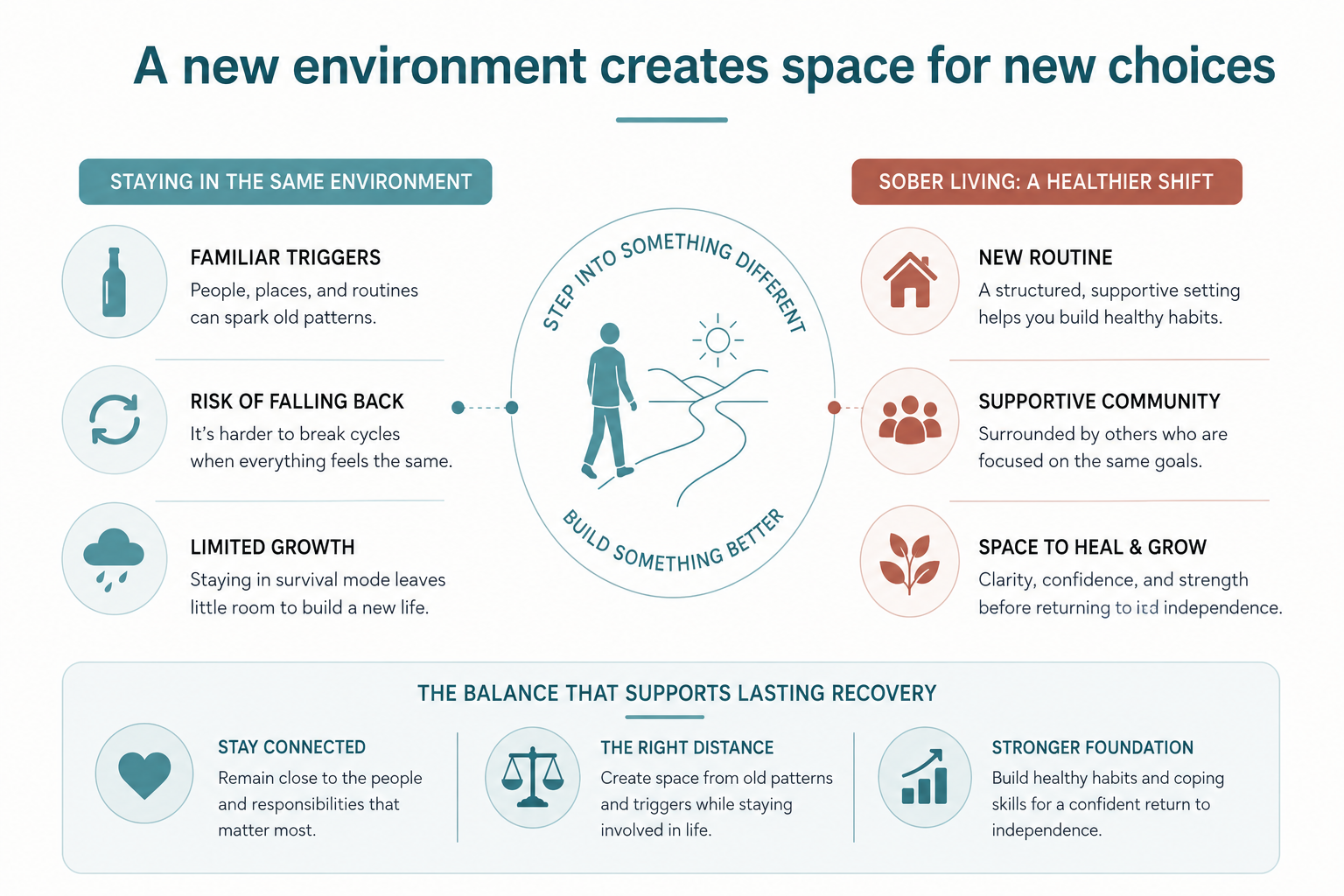
Triggers can come from places, people, routines, emotions, or situations associated with substance use. Returning to the same environment after treatment can sometimes bring those triggers back into everyday life before someone has had enough time to develop healthier ways of responding.
Sober living can create some distance from those influences while residents continue building their coping skills.
At Design for Recovery, a structured, recovery-focused home gives residents a setting where they can recognize potential triggers, talk through challenges, and practice making different choices with support from others in recovery.
Take a Look Inside Our Sober Living Homes


Meet the Team Behind Design for Recovery
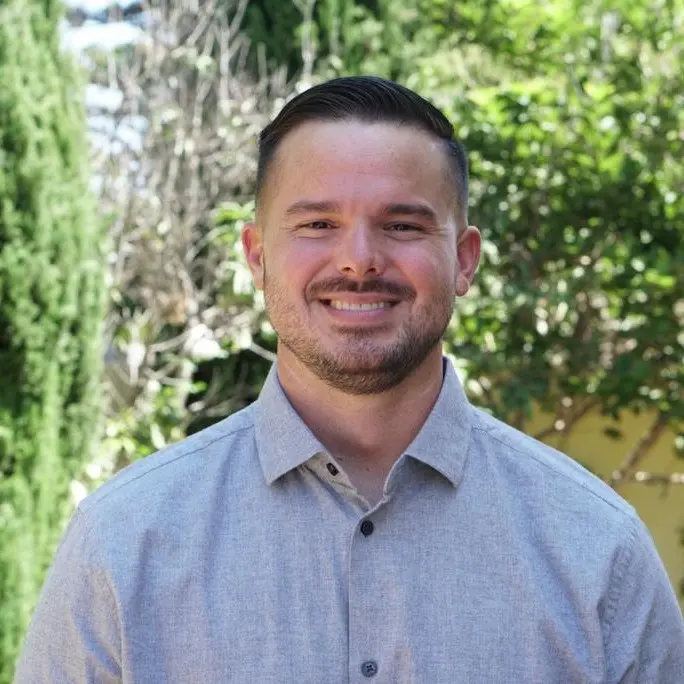
David Beasley
David Beasley is the founder and Program Director of Design for Recovery Sober Living Homes. Drawing from his own recovery experience, he created a structured, recovery-focused environment where men can rebuild their lives through accountability, mentorship, and personal growth.
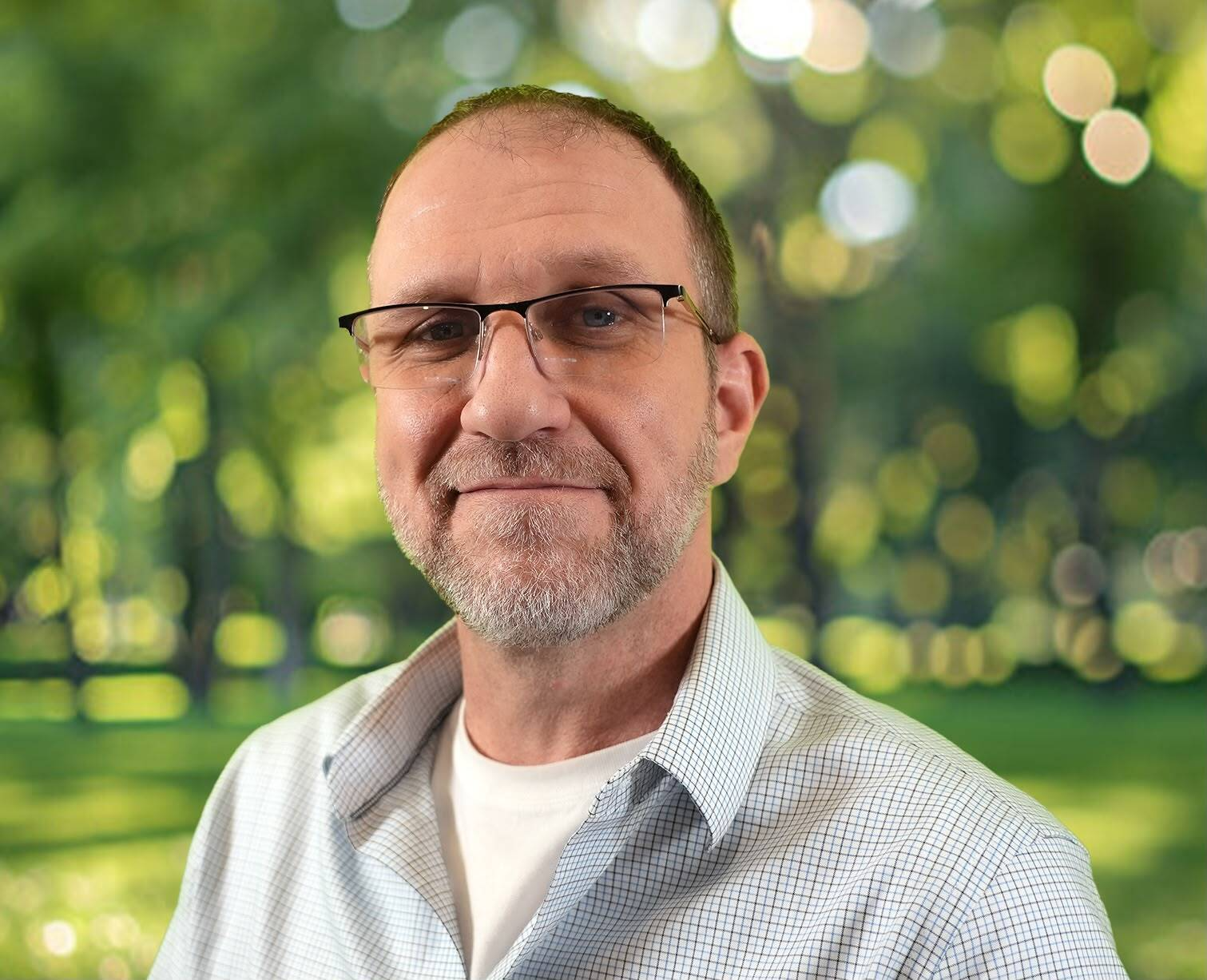
Matthew McCrystal
Matthew McCrystal oversees the daily operations of Design for Recovery, helping ensure every residence provides a safe, structured, and supportive environment. He brings both professional leadership and lived recovery experience to his role.
What We Offer

Employment Support
Residents can receive practical help with resumes, interview preparation, job searches, and maintaining the routines and accountability needed to stay employed.

Life Skills
Support covers everyday responsibilities such as planning, organization, communication, household tasks, and making practical decisions independently.

12-Step Integration
Residents are encouraged to attend meetings regularly, develop sponsorship, and apply 12-Step principles as part of their ongoing recovery.

One-on-One Mentoring
Individual mentoring provides space to discuss personal challenges, work through setbacks, evaluate progress, and identify realistic next steps.

Money Management
Residents can work on budgeting, managing expenses, making responsible spending choices, and developing habits that support financial independence.

Family Support
Guidance can help residents improve communication, establish healthier boundaries, and take consistent steps toward rebuilding important family relationships.

Medication Monitoring
Residents can receive support with medication routines while remaining appropriately connected with their prescribing providers and other healthcare professionals.

Life in Our Sober Living Homes
At Design for Recovery, residents are encouraged to build a life that extends beyond the boundaries of the home. Work, school, treatment, meetings, exercise, hobbies, and personal responsibilities can all become part of an individual's routine.
Living in a shared recovery environment also means learning how to navigate different personalities, schedules, and perspectives. Those everyday experiences can help residents strengthen communication, patience, and the ability to handle challenges without returning to old coping patterns.
The goal is to make sober living useful beyond the time spent in the home. As residents become more comfortable managing their responsibilities and making healthy decisions, they can begin preparing for the greater independence that comes next.
Explore Our Sober Living Homes
Your Path to Admissions
Start With a Conversation
Reach out to our admissions team to talk through where you are in recovery, what you're looking for in sober living, and any questions you have about Design for Recovery.
Get to Know the Program
We'll explain the home's expectations, admissions requirements, availability, and what you can expect as you transition into sober living.
Take the Next Step
If Design for Recovery feels like the right environment for you, we'll help you complete the necessary steps and prepare for your move-in.
In Their Own Words
Alumni share what changed for them during their time with Design for Recovery.

What Becomes Possible in Sobriety
Recovery can create room to rebuild parts of life that may have been affected by substance use. As stability develops, residents can begin putting more energy into the people, goals, and experiences they want to carry forward.
Rebuild Your Confidence
Following through on responsibilities and making healthier decisions can help restore confidence in your ability to handle life without substances.
Strengthen Your Relationships
Greater consistency and presence can create opportunities to repair relationships and build stronger connections with the people who matter.
Discover New Interests
Recovery can open up time and energy for hobbies, exercise, learning, and other activities that bring purpose to everyday life.
Work Toward Independence
As routines become more established, residents can take greater ownership of their finances, responsibilities, career goals, and plans for the future.
Why Choose Sober Living Near Buena Park?
Buena Park sits in northwestern Orange County near Cerritos, La Palma, Cypress, Fullerton, and La Mirada. Its location provides access to both Orange County and nearby Los Angeles County communities, which can be useful for residents balancing work, family, treatment, and other responsibilities.
Transportation
Buena Park is accessible from I-5, CA-91, and CA-39, with major local routes including Beach Boulevard and La Palma Avenue. OCTA and other regional transportation services connect the city with surrounding communities.
Cost of Living
Buena Park has a higher cost of living than the national average. Housing costs vary across the city and surrounding communities, with the area generally reflecting the higher costs associated with Orange County.
Weather
Buena Park has a warm Southern California climate, with dry summers and mild winters. The generally moderate weather allows for outdoor recreation and other activities throughout much of the year.
For men from Buena Park, sober living nearby can provide a supportive home environment while keeping important parts of their existing routine within reach.
Typical Drive from Buena Park to Design for Recovery: 29 min approx
Community Services That Support Recovery
Recovery can involve rebuilding several areas of life at once. Buena Park and surrounding communities provide access to services that can help residents address healthcare, employment, education, financial needs, and other practical concerns.
Public Safety
| Buena Park Police Department | |
| 6640 Beach Blvd | |
| (714) 562-3901 |
Education
| Buena Park Library District | |
| 7150 La Palma Ave | |
| (714) 826-4100 |
Employment Resources
| Knott's Berry Farm Employment Center | |
| 8201 Grand Ave | |
| (714) 220-5154 |
Financial Services
| Bank of Hope | |
| 5307 Beach Blvd Suite 100 |
Community & Social Services
| Buena Park Senior Center - Food Distribution Center. | |
| 8150 Knott Ave | |
| (714) 236-3870 |
| Buena Park Police Department | |
| 6640 Beach Blvd | |
| (714) 562-3901 |
| Buena Park Library District | |
| 7150 La Palma Ave | |
| (714) 826-4100 |
| Knott's Berry Farm Employment Center | |
| 8201 Grand Ave | |
| (714) 220-5154 |
| Bank of Hope | |
| 5307 Beach Blvd Suite 100 |

Recovery Support Resources in Buena Park
Continuing recovery can become easier to sustain when residents have access to support beyond their sober living home. Buena Park and nearby communities offer opportunities to connect with peer-support and mental health organizations.
Local Sober & Fun Spots Near Buena Park
Finding enjoyable ways to spend free time can become an important part of building a lifestyle that is not centered around substance use. Buena Park and the surrounding area offer options for recreation, exercise, entertainment, and community activities.
Outdoor Activities
| Trail Head to H2O Tower | |
| 3841-4097 Rosecrans Ave |
Fitness & Wellness
| The Stance Fitness | |
| 6056 Beach Blvd | |
| (714) 735-8285 |
Parks
| Ralph B Clark Park | |
| 8800 Rosecrans Ave | |
| (714) 973-3170 |
Entertainment & Recreation
| Arcave Room | |
| 6161 Lincoln Ave c2 | |
| (888) 287-3558 |
Cultural & Social Venues
| Krikorian Metroplex 18 | |
| 8290 La Palma Ave | |
| (714) 826-7469 |
| Trail Head to H2O Tower | |
| 3841-4097 Rosecrans Ave |
| The Stance Fitness | |
| 6056 Beach Blvd | |
| (714) 735-8285 |
| Ralph B Clark Park | |
| 8800 Rosecrans Ave | |
| (714) 973-3170 |
| Arcave Room | |
| 6161 Lincoln Ave c2 | |
| (888) 287-3558 |
| Krikorian Metroplex 18 | |
| 8290 La Palma Ave | |
| (714) 826-7469 |
Local Public Health Trends in Buena Park
Substance use continues to affect communities across Orange County and the surrounding region. Public health trends provide broader context for the importance of prevention, treatment, overdose response, and continued recovery support.
Overdose Deaths
Recent reporting shows 526 overdose deaths during the most recent reporting period.
Naloxone Distribution
Public health programs serving the Buena Park area have distributed 17061.6 naloxone kits, supporting access to overdose-response resources.
Opioid-Related Hospitalizations
The opioid-related hospitalization rate for the relevant local area is reported at 9.9 per 100k, providing another measure of the impact of opioid use in the community.
A Place to Keep Building
Sober living can provide a bridge between treatment and greater independence, giving residents room to practice the routines and decisions that support long-term recovery.
Design for Recovery offers that structure alongside a community of men working toward their own goals.

Frequently Asked Questions About Sober Living in Buena Park
It can be. Buena Park's location near the county line puts several surrounding communities within reach, which may be useful for residents whose work, family, or treatment connections span both areas.
Yes. Employment can remain part of your routine while living in sober housing. Your work schedule and location can be discussed with admissions when considering practical transportation needs.
You can continue appropriate outpatient treatment while living at Design for Recovery. Existing appointments and treatment commitments can be discussed during the admissions process.
Yes. Supportive relationships can be an important part of recovery. Residents can maintain appropriate connections while also participating in the recovery community within the home.
Yes. Buena Park and nearby communities offer recreation, fitness, outdoor spaces, and other activities that can give residents opportunities to build interests and social routines that do not revolve around substance use.
It depends on your current stability, support system, responsibilities, and goals. Our admissions team can discuss your situation and explain what Design for Recovery offers so you can make an informed decision.
Loading Instagram feed...