(424) 242-1130
Sober Living for Men in Los Angeles County
 Read Reviews
 What to Expect
 Get Local Help
Our Stats


Why Design for Recovery
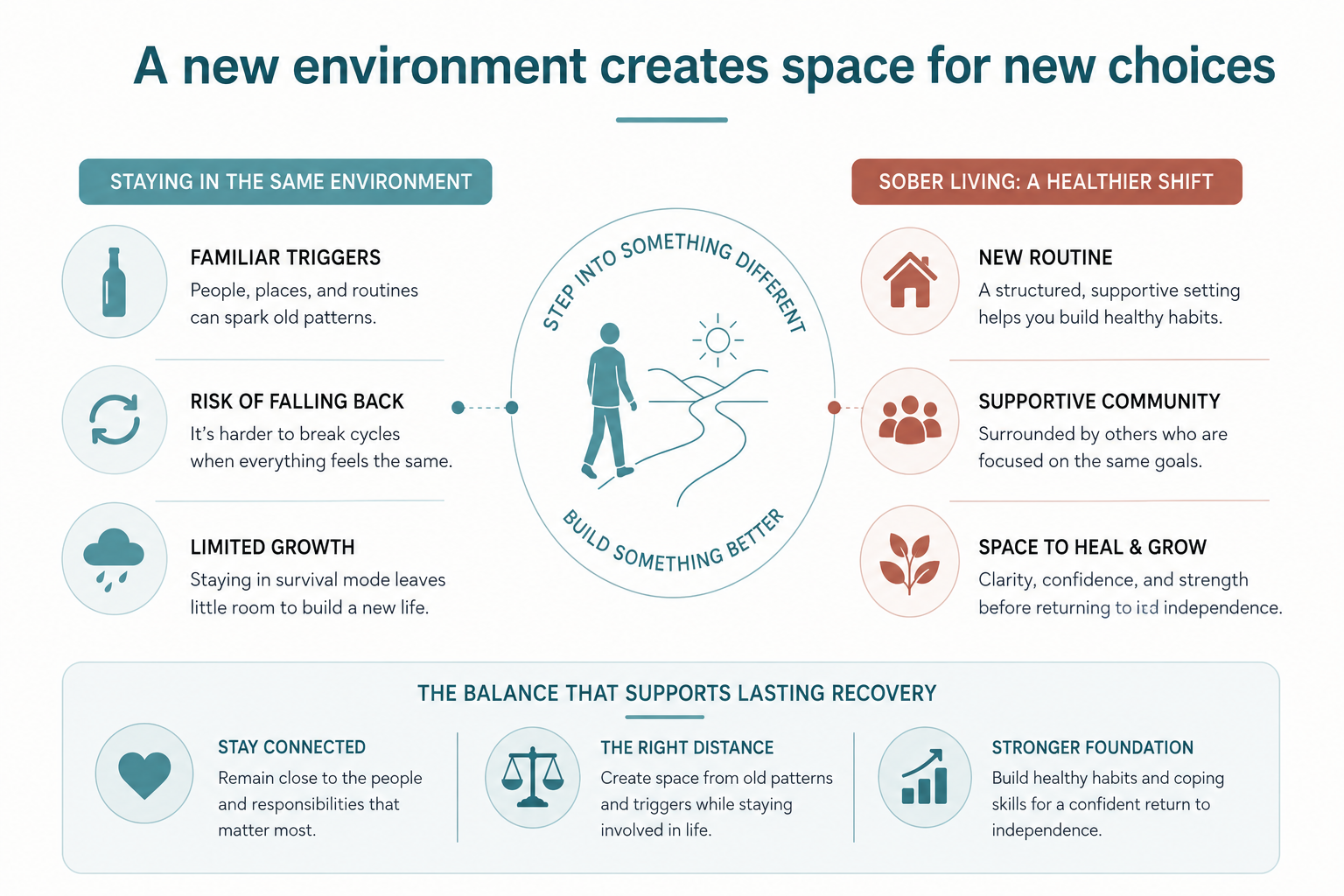
Choosing a men's sober living program is about more than finding a place to stay. At Design for Recovery, our recovery residences create an environment where men can continue strengthening healthy routines, developing practical life skills, and building meaningful relationships that support long-term recovery.
The Foundation Behind Our Program
Structured LivingConsistent routines and clear expectations help create stability and make healthy habits easier to maintain.
Meaningful AccountabilityResidents are encouraged to take ownership of their recovery while receiving support from staff and peers.
Recovery-Focused CommunityLiving alongside other men working toward similar goals creates connection, encouragement, and mutual support throughout recovery.
Growth Through IndependenceEvery step is designed to help residents strengthen life skills, build confidence, and prepare for independent living.
Recovery Doesn't End When Treatment Does
Completing detox or residential treatment is an important milestone, but it's only one stage of the recovery journey. The weeks and months that follow often determine how well those early lessons become part of everyday life. A structured sober living home helps bridge that transition by providing stability, accountability, and a supportive community while residents continue adjusting to life outside of treatment.
For men throughout Los Angeles County, our recovery residences offer a place to continue moving forward while staying connected to careers, families, education, and ongoing recovery services.
Take a Look Inside Our Sober Living Homes


The People Behind the Program
David Beasley
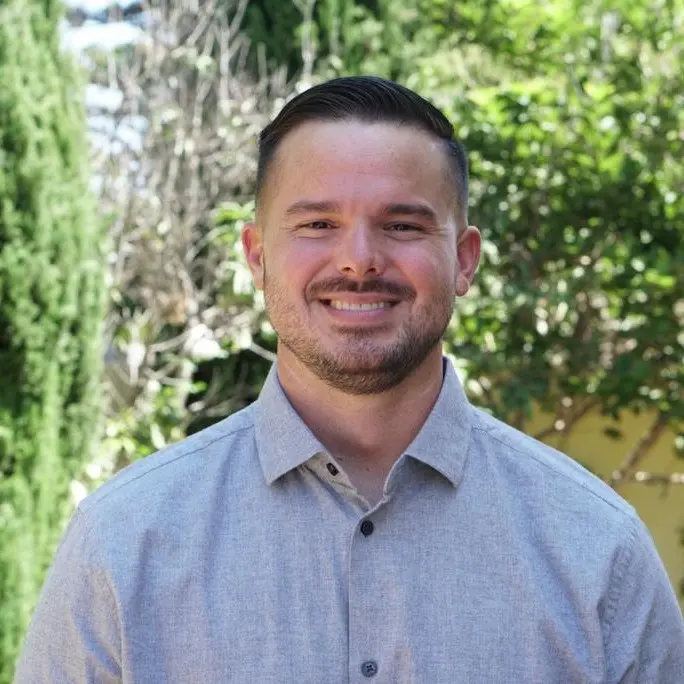
David Beasley is the founder and Program Director of Design for Recovery Sober Living Homes. Drawing from his own recovery experience, he created a structured, recovery-focused environment where men can rebuild their lives through accountability, mentorship, and personal growth.

Matthew McCrystal
Matthew McCrystal oversees the daily operations of Design for Recovery, helping ensure every residence provides a safe, structured, and supportive environment. He brings both professional leadership and lived recovery experience to his role.

What We Offer

Employment Support
We help residents build real employment histories again: resume support, interview practice, and direct connections to employers who understand recovery.

Life and Recovery Skills
From cooking a meal to managing a schedule, residents relearn the everyday skills that support an independent, sober life.

12-Step Programming
Regular meeting attendance, sponsor relationships, and step work are woven into the weekly rhythm here, not treated as optional extras.

One-on-One Mentoring
Each resident is paired with a mentor for individual check-ins, so support never feels generic or one-size-fits-all.

Money Management
We coach residents through budgeting, saving, and rebuilding financial habits that addiction often disrupted.

Family Services
Families are brought back into the process thoughtfully, with communication and education that help rebuild trust over time.

Medication Monitoring
For residents on prescribed medication, our team helps coordinate safe, consistent management alongside their providers.

Life in Our Sober Living Homes
Recovery homes bring together men from every part of Los Angeles County, each with different backgrounds, experiences, and goals. That diversity creates an environment where residents learn from one another while discovering that meaningful progress isn't limited by where someone comes from or what challenges they've faced.
As daily life begins to feel more predictable, residents often notice changes that extend far beyond sobriety.
Relationships become stronger, confidence grows through consistency, and everyday responsibilities begin to feel like opportunities rather than obstacles. Living alongside others who are committed to recovery makes those changes easier to sustain.
Explore Our Sober Living Homes
Beginning Your Recovery Journey
Step 1: Reach Out
Call our team for a confidential conversation about your situation and whether our program is the right fit.
Step 2: Complete an Assessment
We'll walk through a short intake assessment to understand your history and recovery needs before move-in.
Step 3: Move In and Get Started
Once accepted, we'll set a move-in date and get you settled into your new home and daily structure right away.
In Their Own Words
Alumni share what changed for them during their time with Design for Recovery.

Recovery Opens the Door to a More Balanced Life
Long-term recovery isn't measured by a single milestone. It's reflected in the way everyday life begins to change. A structured recovery residence provides the stability needed to make those changes last.
Build Consistency That Lasts
Small, positive choices repeated each day create lasting progress. Following a routine, honoring commitments, and maintaining healthy habits become the building blocks of long-term recovery.
Strengthen Every Area of Your Life
Recovery creates opportunities to improve more than sobriety. Many residents use this time to focus on physical health, emotional well-being, financial stability, education, and career development.
Stay Connected to a Recovery Community
Having people who understand your journey can make a meaningful difference. Living alongside peers who share similar goals creates a sense of encouragement and accountability that continues long after leaving sober living.
Prepare for Life Beyond Recovery Housing
The goal is to leave with the confidence to navigate everyday life independently. Residents develop practical skills, healthier routines, and stronger decision-making abilities that continue supporting recovery well into the future.
Why Choose Sober Living Near Los Angeles County?
Choosing sober living within Los Angeles County gives you access to one of the country's largest recovery communities while allowing you to stay connected to work, family, education, and ongoing treatment.
With hundreds of recovery meetings held throughout the county each week, extensive healthcare resources, and a wide range of employment opportunities, Los Angeles County provides an environment where long-term recovery can continue to grow.
Transportation
Los Angeles County is connected by an extensive transportation network that includes Interstates 5, 10, 405, 605, 710, and 110, along with Metro Rail, Metro Bus, Metrolink, and regional transit systems. These connections make commuting to work, school, outpatient treatment, and recovery meetings possible from nearly every part of the county.
Cost of Living
The cost of living varies across Los Angeles County, but housing remains the largest expense in most communities. While costs differ between neighborhoods, residents also benefit from access to diverse employment opportunities, educational institutions, healthcare providers, and recovery resources throughout the region.
Weather
Los Angeles County enjoys a Mediterranean climate with warm, dry summers and mild winters. The year-round weather makes it easy to stay active through hiking, parks, beaches, outdoor fitness, and other healthy recreational activities that support long-term recovery.
Typical Drive from Los Angeles County to Design for Recovery: 60 min approx

Recovery Support Resources in Los Angeles County
Los Angeles County is home to one of the largest recovery communities in the country. Whether you're attending your first meeting or maintaining years of sobriety, you'll find a wide range of peer support groups, recovery organizations, and community resources throughout the county.
Local Public Health Trends in Los Angeles County
Los Angeles County continues to invest in prevention, treatment, and recovery initiatives to address substance use disorders across its diverse communities. Public health data highlights both the ongoing challenges and the importance of expanding access to evidence-based treatment and long-term recovery support.
Overdose Deaths
Across Los Angeles County, recent reporting shows 1,784 overdose deaths during the most recent reporting period, underscoring the continued need for accessible addiction treatment and recovery services.
Naloxone Distribution
Public health agencies throughout Los Angeles County have distributed 22,882 naloxone kits, expanding access to life-saving overdose prevention resources across the region.
Opioid-Related Hospitalizations
The opioid-related hospitalization rate across Los Angeles County is reported at 10.0 per 100k, reinforcing the importance of comprehensive addiction treatment and supportive recovery housing.
Recovery Can Begin Wherever You Are in Los Angeles County
No matter where you live within Los Angeles County, the right recovery environment can help you move forward with greater confidence and stability. If you're considering structured sober living, our admissions team is here to answer your questions and help you find the home that's right for you.

Frequently Asked Questions About Sober Living in Los Angeles County
Yes. Many residents maintain full-time or part-time employment throughout Los Angeles County while living in our recovery residences. We'll help you understand how work commitments fit alongside house expectations and your recovery goals.
Absolutely. We welcome men from communities throughout Los Angeles County, whether you're coming from the Westside, the San Fernando Valley, the San Gabriel Valley, South Los Angeles, the South Bay, or Southeast Los Angeles.
Yes. Los Angeles County offers one of the largest recovery networks in the country, with Alcoholics Anonymous, Narcotics Anonymous, SMART Recovery, and other peer support meetings available every day in communities across the county.
Yes. Many residents continue attending therapy, intensive outpatient programs, medical appointments, or other treatment services while living in our recovery residences.
The right recovery residence should provide structure, accountability, a supportive peer community, and an environment that aligns with your recovery goals. Our admissions team can help you determine which of our homes is the best fit for your needs.
Availability varies, but our admissions team will work with you to coordinate a move-in date as quickly as possible once you've completed the admissions process.
Loading Instagram feed...