 (424) 242-1130
Pregabalin (Lyrica) is a medication used to treat epilepsy, nerve pain, fibromyalgia, and generalized anxiety disorder. If you have been prescribed pregabalin for any of these reasons or otherwise, you might be wondering - can you mix alcohol and pregabalin? The straightforward answer is NO. Pregabalin depresses the central nervous system, just like alcohol, so together they carry the risks of extreme drowsiness, dizziness, impaired coordination, and slowed breathing.
In this article, we will explore the pregabalin and alcohol interaction risks, the side effects, and more.
Key Points to Remember:
- Do NOT mix pregabalin (Lyrica) and alcohol together.
- Mixing them can lead to extreme drowsiness, dizziness, confusion, impaired coordination, respiratory depression, coma, and even death in severe cases.
- Alcohol can reduce pregabalin’s effectiveness.
- Pregabalin stays in your system for 32–35 hours; avoid alcohol entirely to prevent interactions.
- If you accidentally mix them, seek medical help immediately.
- Professional care is available through medical detox, therapy, rehab, and sober living for alcohol or medication misuse.
What Is Pregabalin and Why Is It Prescribed?
Pregabalin is a U.S. Food and Drug Administration (FDA)-approved medication for pain and seizure control for those who struggle with epilepsy. It is commonly available under the brand name Lyrica.
Pregabalin’s effectiveness is based on reducing nerve “excitability,” meaning it reduces how strongly nerves fire.
As it directly impacts the central nervous system (CNS), it carries certain risks when mixed with psychoactive substances that also impact the CNS, like alcohol.
Call Design for Recovery to Begin Your Healing Journey!
Reach out to our team to discuss sober living options and next steps toward a healthier routine.
 (424) 242-1130
Can You Drink Alcohol While Taking Pregabalin?
Can you mix pregabalin and alcohol? The short answer to that is no. Alcohol and pregabalin both work by depressing the CNS. So, when taken together, they amplify each other’s effects.
In reality, this is how the effects will look for you:
- Intense drowsiness and dizziness
- Impaired coordination — leading to disorientation, falls, and injuries
- Slower breathing
These side effects of Lyrica and alcohol can even increase the likelihood of more severe consequences - such as respiratory depression, coma, and even death in extreme cases.
On the other hand, one of the pregabalin and alcohol interaction risks is that the latter can reduce the medicine’s effectiveness. This is why doctors will advise you not to mix alcohol and pregabalin together.
What Are the Pregabalin and Alcohol Side Effects?
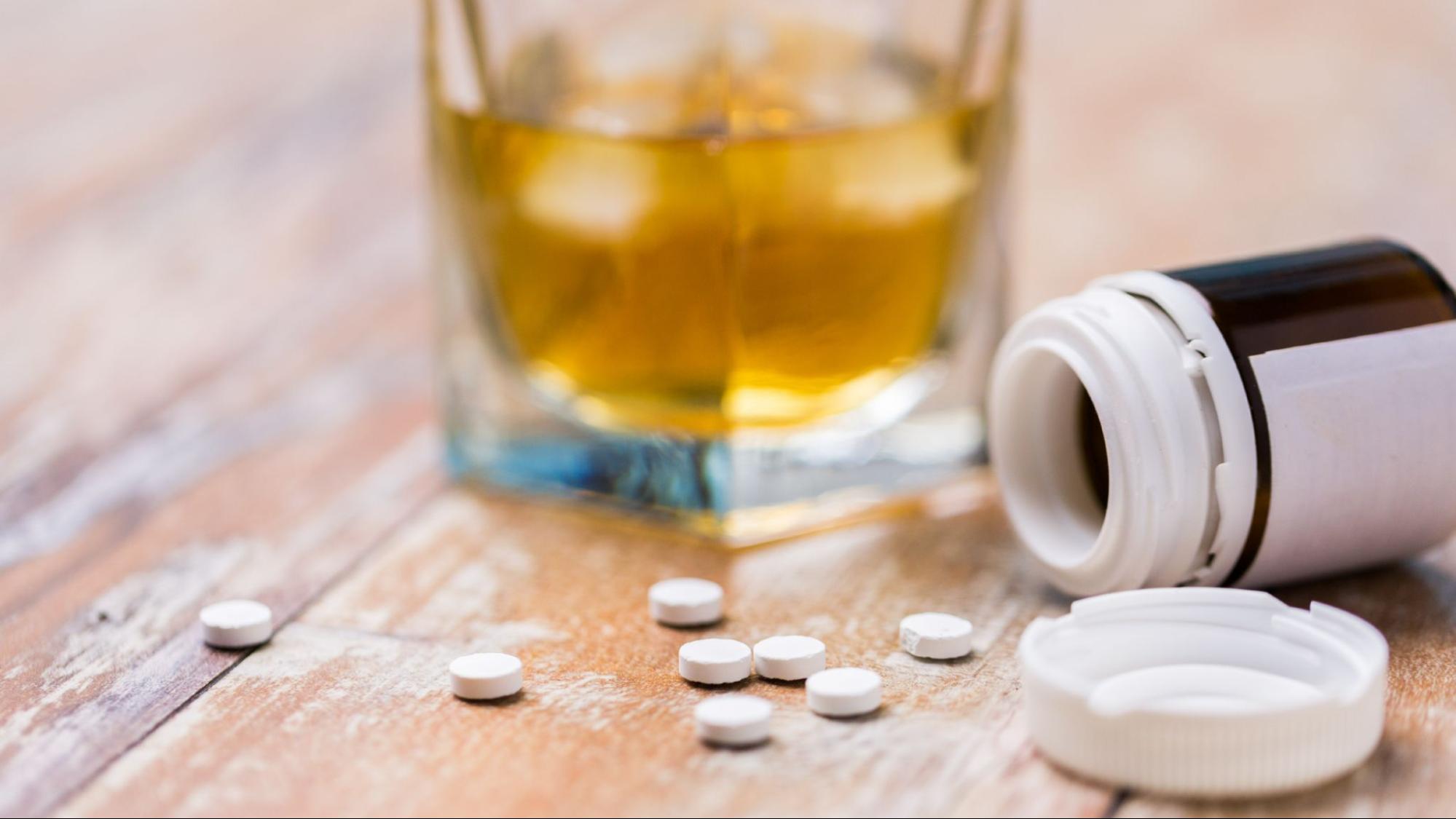
When you mix pregabalin and alcohol, the interaction risks increase the severity of side effects beyond what each of these substances can give rise to separately, such as:
- Increased drowsiness and sedation
- Impaired judgment, focus, and coordination
- Confusion and dizziness
- Slowed or shallow breathing
- Swelling of the throat, lips, and tongue
- Itching, hives, and skin reactions
- Reduces the impact of pregabalin
- Increased risk of misuse and dependence, as both pregabalin and alcohol are addictive and can lead to withdrawal
- The combination can be extremely dangerous while performing activities like walking, driving, or operating heavy machinery
- Risk of coma and death in extreme cases
Reach out to your doctor immediately if you are experiencing any of these side effects of pregabalin and alcohol interactions in your body.
So, How Long After Taking Pregabalin Can I Drink Alcohol?
Pregabalin has a half-life of 6.3 hours. This is the time taken for the levels of medication in your blood to reduce by one-half (50%), then one-half of the remaining, and so on.
It takes nearly 5-5.5 half-lives before pregabalin entirely leaves your body, which means that it takes a total of 31.5-35 hours before the medication is completely cleared from your body.
So, you need to wait around 32-35 hours at least before you consume alcohol. However, given that pregabalin is prescribed for chronic conditions like epilepsy or fibromyalgia - this means that it can even be prescribed for months and years. Hence, it is advisable to stay off alcohol if you are taking this anticonvulsant and pain medication.
Contact Design for Recovery Today!
Fill out our quick form to connect with a peer mentor and learn how our sober living community supports accountability, structure, and personal growth in recovery.
What Can You Do if You Have Taken Pregabalin With Alcohol?
If you have taken pregabalin with alcohol unknowingly or otherwise, do not ignore the symptoms experiencing drowsiness, dizziness, impaired coordination, or slowed breathing. Call your doctor immediately.
Be open and honest with your doctor and clinical staff as to what substances you have taken, how much you have taken, and your medical history. This will help your healthcare providers give you the care you need and deserve to reduce and prevent further risks and side effects.
What Are the Treatment Options for Pregabalin and Alcohol Misuse and Dependence?
While it is not advisable to mix alcohol and pregabalin together, sometimes this is easier said than done. Especially if you struggle with alcohol use disorder or dependence.
The encouraging news here is that there are evidence-based, holistic ways of treating alcohol use disorder or dependence on both substances together. This will involve:
- Medical Detox: Gradually tapering off alcohol and/or pregabalin from your body to reduce the risks of withdrawal, seizures, and other concerns.
- Polysubstance Use Treatment: Holistic and tailored programs that are used to identify and change your dependence on one or both substances, reducing the risk of relapse and enabling lasting recovery:
- Psychotherapy: A blend of individual therapy and group therapy to address and heal the underlying reasons for substance use in a safe, supportive setting.
- Family Therapy: Providing the family with knowledge and tools to understand substance use and create a supportive environment for recovery at home.
- Aftercare: It involves ongoing counseling, peer support, relapse prevention, lifestyle modifications, and sober living (if required) once you complete rehab to sustain your recovery.
Reach Out to Design For Recovery for Integrated Recovery Options Today!
Understanding the effects of mixing alcohol and pregabalin together in medical and practical contexts is the first step to your safety and well-being. The pregabalin and alcohol interaction risks and side effects are real, serious, and potentially life-threatening.
If you or someone you love is struggling with the uncertainty of combining them or even with alcohol and/or pregabalin misuse, the safest move is to reach out to your doctor, rehabilitation service, or a sober living.
At Design For Recovery in Los Angeles, we offer a community that cares for you and will also connect you with specialists who provide effective care for your urgent medical needs. Call us at (424) 242-1130 to begin healing today!
- What Is Pregabalin and Why Is It Prescribed?
- Can You Drink Alcohol While Taking Pregabalin?
- What Are the Pregabalin and Alcohol Side Effects?
- So, How Long After Taking Pregabalin Can I Drink Alcohol?
- What Can You Do if You Have Taken Pregabalin With Alcohol?
- What Are the Treatment Options for Pregabalin and Alcohol Misuse and Dependence?
- Reach Out to Design For Recovery for Integrated Recovery Options Today!
Begin Lasting Sobriety Now!


Frequently Asked Questions
Pregabalin is an anticonvulsant and analgesic used to treat nerve pain, epilepsy, and generalized anxiety disorder. It is commonly sold under the brand name Lyrica.
No. Alcohol can amplify pregabalin’s CNS depressant effects and reduce its effectiveness.
Pregabalin and alcohol interact with one another to amplify each other’s effects. So, even mixing them in small doses is unsafe.
Given that both pregabalin and alcohol intensify each other’s effects, it is common to want to experience these intense effects.
Mixing pregabalin and alcohol is risky because it leads to intense drowsiness, sedation, dizziness, confusion, impaired coordination, and slowed breathing.
Some of the more severe risks of pregabalin and alcohol taken together are respiratory depression, coma, and even death.
If you have mixed pregabalin and alcohol, seek medical advice immediately. If you are experiencing any of the side effects, get medical attention right away.
There are no safe amounts in which alcohol and pregabalin can be mixed together, so it is best to avoid alcohol completely while taking pregabalin.
Regularly using pregabalin and alcohol together can lead to dependence, organ damage, and other severe consequences.
If you are struggling with alcohol or pregabalin misuse, then reach out to your doctor, rehab center, or a sober living home like Design for Recovery. We connect you with specialists and offer a supportive setting where you can rebuild your life toward a healthier, sober tomorrow.




Written By
David Beasley