 (424) 242-1130
Hydrocodone (Vicodin) is a prescription opioid that is prescribed to treat moderate to severe pain. It is categorized as a Schedule II substance in the U.S., which means it has a moderate to high risk for misuse and dependence. In this article, we will explore hydrocodone addiction risks and your recovery options.
Key Points to Remember Regarding Hydrocodone Addiction
- Hydrocodone is a prescription opioid, used to treat moderate to severe pain.
- Yes, hydrocodone is addictive. When taken in other ways than prescribed, it can lead to misuse and dependence.
- Taking more than your prescribed dose of hydrocodone is dangerous. It increases the risk of dependence, overdose, and death.
- Some of the warning signs of hydrocodone addiction are cravings, tolerance, withdrawal symptoms, and prioritizing the medication over daily life.
- Hydrocodone misuse can be life-threatening. It can lead to overdose, which, in turn, can lead to permanent brain damage or death.
- Recovery from hydrocodone addiction is possible with medication-assisted treatment and aftercare.
What Is Hydrocodone?
Hydrocodone is a synthetic derivative of the opioid known as codeine. It is commonly prescribed to treat moderate to severe pain - like post-surgery pain or cancer-related pain. Hydrocodone is a full opioid agonist that binds to μ-opioid receptors in the brain and produces pain-relieving, pleasurable effects.
Hydrocodone is available as capsules and tablets - it is consumed orally. However, it must not be chewed, crushed, or dissolved in water; otherwise, it can lead to an overdose.
What Are the Hydrocodone Side Effects?
Some of the commonly recognizable hydrocodone side effects are:
- Disorientation
- Lightheadedness
- Vomiting
- Blurred vision
- Pinpoint pupils
- Dry mouth
- Itchy skin, rashes, and hives
- Frequently nodding off
- Slurring of speech.
- Slowed breathing and heart rate
- Seizures
If you or someone you care for experiences any of these side effects, seek medical care immediately.
Why Do People Get Addicted to Hydrocodone?
Hydrocodone is an effective pain reliever, but like other opioids, it can also induce feelings of euphoria and sedation. This is why it is so addictive.
Taking hydrocodone more than and in other ways than prescribed can lead to dependence, where your mind and body begin to feel the need for this opioid to function normally, as it changes the brain chemistry and functioning.
When hydrocodone use begins to impede your daily life and functioning, it is an indication that you can benefit from hydrocodone addiction treatment.
What Are Hydrocodone Addiction Symptoms?
Hydrocodone addiction is classified as an opioid use disorder; some of the commonly recognizable hydrocodone addiction symptoms are:
- Taking hydrocodone in increasing doses, increasing frequency, and in other ways than prescribed.
- Spending a lot of time acquiring, using, and recovering from hydrocodone use.
- Hydrocodone begins to take priority over everything else - education, job, and relationships.
- Continuing hydrocodone use despite its ill effects on physical, mental, and social health.
- Using hydrocodone in high-risk circumstances, like driving or operating heavy machinery.
- Developing tolerance for hydrocodone - which means you will need larger quantities of the opioid to experience the desired effects.
- Experiencing withdrawal symptoms upon abruptly reducing or stopping hydrocodone use.
When you understand how addictive is hydrocodone, keeping an eye out for these red flags is the first step to seeking early intervention for misuse and dependence.
How Much Hydrocodone Is Too Much?
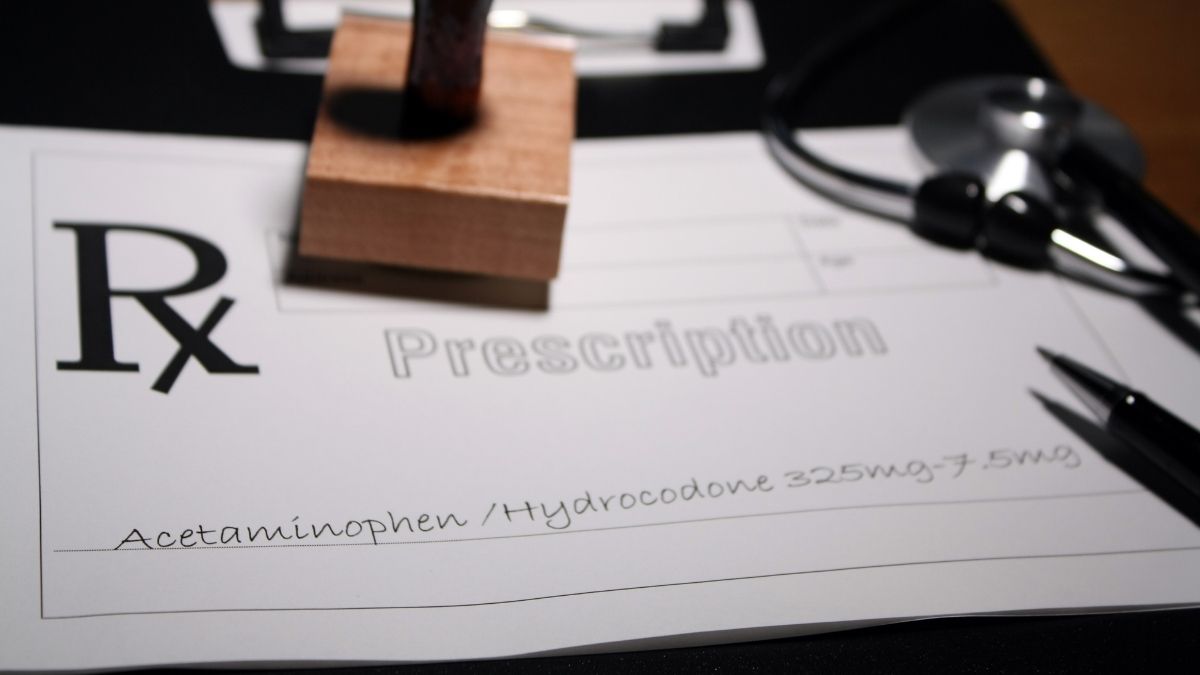
Anything more than the prescribed dose of hydrocodone is too much hydrocodone.
Typically, hydrocodone is prescribed at lower doses of 5mg - 10 mg for 3 hours. When you take it as prescribed by your doctor, it is safe and effective. Otherwise, it can become too much for you. For instance, doses of 60 mg - 90 mg, or more, are considered to be a very high dose with a huge risk of misuse, dependence, and overdose.
Can Hydrocodone Kill You?
Yes, misusing hydrocodone or taking it in larger doses than prescribed can lead to an overdose, which can lead to permanent brain damage or a fatality.
In 2022, 110,000 died from an overdose in the U.S. Over 81,000 of these deaths involved the use of a prescription opioid (like hydrocodone) or an illicit opioid. This is why it is crucial to take hydrocodone only as prescribed and keep following up with your doctor regularly.
The Signs of a Hydrocodone Overdose
Some telling signs of a hydrocodone overdose are:
- Cold, clammy skin
- Narrow or wide pupils
- Shallowed breathing
- Slowed heart rate
- Loss of consciousness.
If you suspect a hydrocodone overdose, call emergency services like 9-1-1 immediately. Meanwhile, administer naloxone (Narcan) to the person - this can be a life-saving move.
What Are Hydrocodone Addiction Treatment Options?
Hydrocodone addiction is treated with medication-assisted treatment (MAT), which combines medication and psychotherapy.
- Medications: Commonly, medications like buprenorphine, methadone, suboxone, and naltrexone are used to reduce hydrocodone-related cravings and withdrawal symptoms so as to safely stop hydrocodone use and prevent relapse.
- Psychotherapy: Therapeutic interventions like motivational interviewing, cognitive behavioral therapy, contingency management, and 12-Step facilitation are used to change the underlying patterns leading to hydrocodone misuse and equip you with healthier coping strategies to deal with triggers and stressors of life.
- Aftercare Planning: Recovery from hydrocodone misuse is an ongoing journey - so, aftercare planning ensures you receive consistent care with ongoing therapy, medication management, relapse prevention, peer support, lifestyle modifications, and sober living.
Struggling With Hydrocodone? You Do Not Have to Do This On Your Own
If you or someone you care for is struggling with hydrocodone use, we understand how challenging it can be. At Design For Recovery, we offer safe, community-based sober living homes where you can slow down, reset, and focus on your recovery. We also offer medication monitoring services and connect you with rehab centers and specialists for your more urgent needs.
Please do not hesitate to call us at (424) 242-1130 to connect with our medication experts now!
- Key Points to Remember Regarding Hydrocodone Addiction
- What Is Hydrocodone?
- What Are the Hydrocodone Side Effects?
- Why Do People Get Addicted to Hydrocodone?
- What Are Hydrocodone Addiction Symptoms?
- How Much Hydrocodone Is Too Much?
- Can Hydrocodone Kill You?
- The Signs of a Hydrocodone Overdose
- What Are Hydrocodone Addiction Treatment Options?
- Struggling With Hydrocodone? You Do Not Have to Do This On Your Own
Begin Lasting Sobriety Now!



Frequently Asked Questions
If you notice that hydrocodone use is impeding your daily life and functioning, it might be an indication that you are struggling with hydrocodone addiction.
Frequent nodding off, pinpoint pupils, irritability, empty prescription bottles, and razors/pill cutters lying around are all tell-tale signs of hydrocodone addiction.
Typically, 90mg is considered a lethal dose. A hydrocodone blood concentration level of 0.14 μg/mL is connected with fatality.
Cold, clammy skin, narrow/wide pupils, shallow breathing, slowed heart rate, and a loss of consciousness are signs of a hydrocodone overdose. If you suspect these signs, call emergency services and administer naloxone to the person.
Hydrocodone addiction can be effectively treated with medication-assisted treatment and aftercare; however, recovery is a lifelong journey.
- https://go.drugbank.com/drugs/DB00956
- https://www.ncbi.nlm.nih.gov/books/NBK537288/
- https://medlineplus.gov/druginfo/meds/a614045.html
- https://www.mcieast.marines.mil/Portals/33/Documents/Safety/Abuse/Hydrocodone.pdf
- https://www.ncbi.nlm.nih.gov/books/NBK553166/
- https://www.sciencedirect.com/topics/medicine-and-dentistry/hydrocodone
- https://ufhealth.org/conditions-and-treatments/hydrocodone-oxycodone-overdose
- https://www.psychiatry.org/patients-families/opioid-use-disorder
- https://pmc.ncbi.nlm.nih.gov/articles/PMC8389722/



Written By
David Beasley