 (424) 242-1130
It can be challenging to cope with having an alcoholic father. The worry, guilt, and fear of this situation can lead to various emotions, such as anger, sadness, frustration, and resentment. You may even feel embarrassed or ashamed that your father is struggling with addiction.
Despite the challenges, there are ways you can learn to better cope with this situation. Knowing how to manage with an alcoholic father and the support and resources available is important.
Understanding Alcoholism
It’s important to understand what the signs and symptoms of alcohol abuse are to better comprehend the situation you are dealing with. Alcoholism, also known as alcohol use disorder (AUD), is a condition of addiction characterized by the inability to stop drinking or limit drinking. People with AUD will continue to drink even if it’s causing harm to themselves or those around them. Alcoholism can cause physical and psychological problems and financial and social difficulties
How To Tell If Your Father Is An Alcoholic Parent
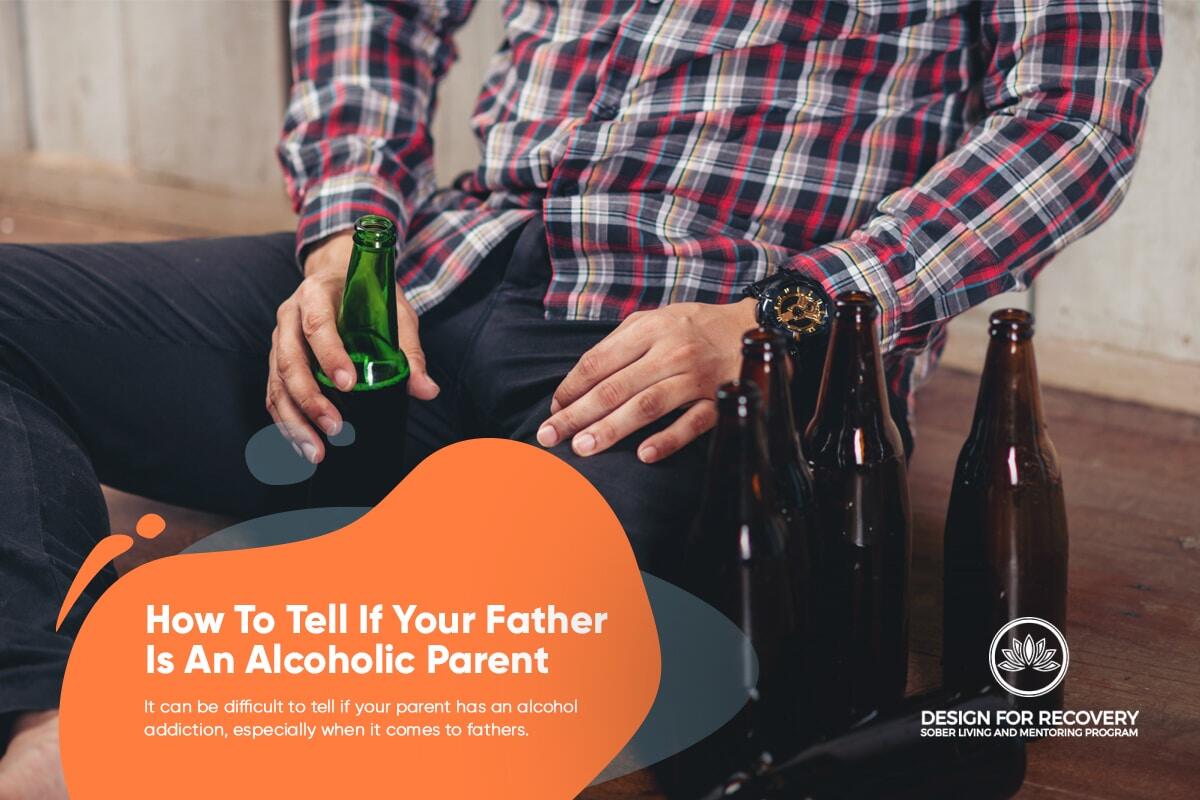
It can be difficult to tell if your parent has an alcohol addiction, especially when it comes to fathers. Alcoholism can manifest in different forms and may not always be obvious. It’s important to recognize the signs indicating a drinking problem to get help for yourself and your family.
Signs of an alcoholic father include:
Drinking more frequently
If your dad drinks daily or consumes multiple drinks at once, this could indicate an alcohol problem.Drinking in excess
If you notice that your father often drinks to the point where he has trouble functioning or becomes overly intoxicated, this is another red flag.Becoming defensive about drinking
If your father becomes aggressive when questioned about his alcohol consumption or tries to hide the amount of alcohol he consumes, this could be a sign of a problem with alcoholism.Becoming reckless or irresponsible
If you notice that your father’s behavior changes after drinking, and he begins to act in ways that are dangerous or out of character, this could be a sign of an alcohol problem.Experiencing changes in health
If your father experiences physical problems or has a worsened mental state related to his drinking, this could indicate he may have an issue with alcohol.
If you think your father may have an issue with alcoholism or substance abuse, it’s important to talk to him and express your concerns in a nonjudgmental manner. It’s also important to know the resources available to help those struggling with an alcohol problem, such as support groups, therapy sessions, and addiction treatment programs.
Can I Stop My Alcoholic Dad From Drinking?
As a child of an alcoholic parent, you may feel compelled to help your father stop drinking, but remember, you can’t force change. Approach him gently, express concerns, and set boundaries. You can’t control his actions, but your honest conversation may prompt him to seek help.
Impacts Of An Alcoholic Parent On A Child
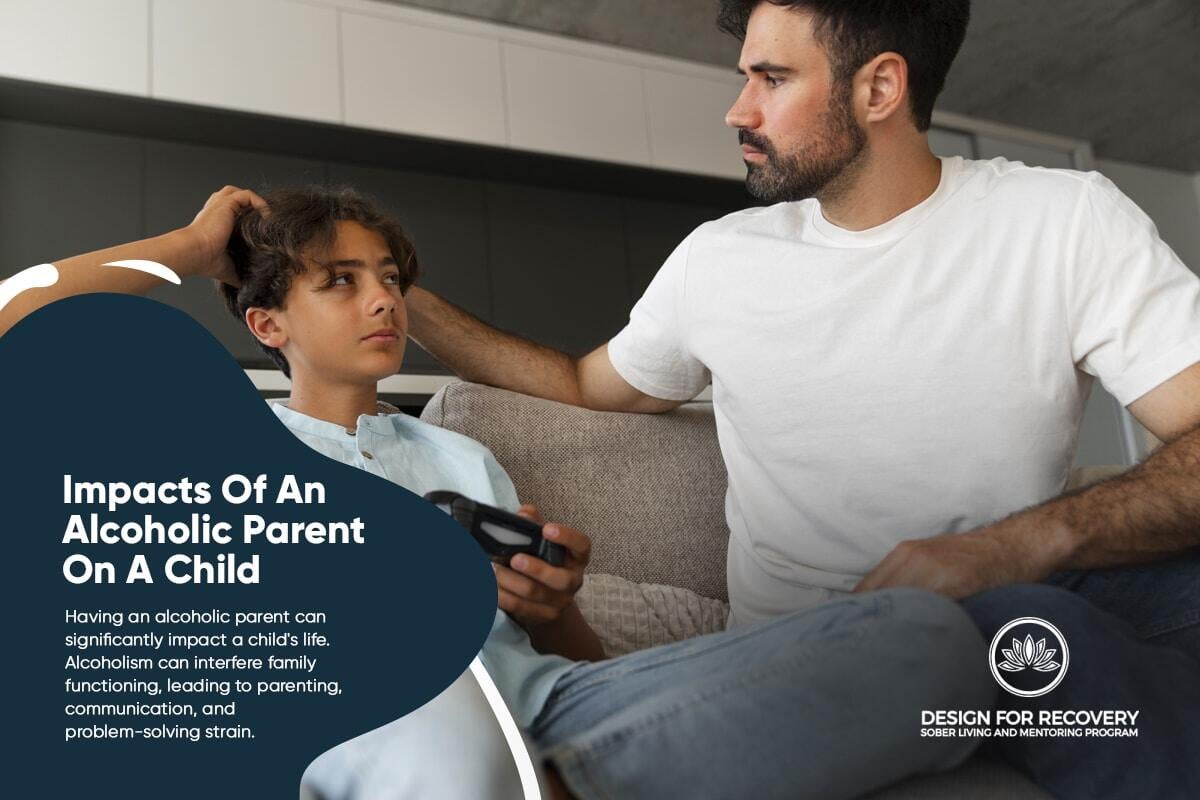
Alcohol addiction in fathers creates profound, lasting effects on children's mental, physical, and emotional health that extend well into adulthood.
- Immediate Emotional Harm: Causes sadness, anxiety, and behavioral problems like social withdrawal or violent outbursts signs of an alcoholic father.
- Family System Breakdown: Disrupts parenting, communication, and problem-solving, creating constant household chaos.
- Academic & Performance Struggles: Children face higher anxiety/depression rates, impacting school performance and future work focus.
- Adult Relationship Patterns: Leads to dependency, control issues, manipulation, or repeating family dysfunction cycles.
- Intergenerational Risk: Higher likelihood of personal substance use to cope with unresolved childhood trauma.
Advice For Young Kids With Alcohol Parents

Many young kids these days are sadly struggling with the effects of having an alcoholic parent. It can be a difficult and confusing situation to be in, and those kids need to find guidance from someone they trust.
Children must understand that their parent’s behavior is not their fault. They did nothing wrong; the parent must seek help to change their behavior. It can also be helpful for kids to talk with another adult, such as a teacher or coach, about the situation at home. These adults must be aware of the challenges they are facing so they can provide additional support and understanding when needed.
Kids also need to find healthy outlets for their emotions. Sports, art, music, and other activities can be great self-expression and stress relief forms. Participating in group therapy or individual counseling sessions with a mental health professional who can provide support and guidance to help deal with difficult situations is also beneficial. If the issues aren’t addressed, these children grow to develop behavioral disorders.
Advice For Young Adults With Alcoholic Parents
Having an alcoholic parent can be particularly difficult for young adults, who may feel overwhelmed with the responsibility and guilt of caring for their parents. However, it’s important to remember that you are not alone in your struggles.
Talking about your experiences openly and honestly with someone you trust and who will provide unconditional support is important. This could be a counselor, therapist, or a close friend willing to listen. It’s also important to recognize when it becomes too much and take care of yourself first, as caring for your parent should not come at the expense of your mental and physical well-being. Some children develop PTSD and other mental health issues due to the consequences of their parent’s alcohol abuse.
It’s okay to set boundaries and limits when caring for your parent. It’s important to remember that you don’t have to “fix” their drinking problem; eventually, they must do this themselves. You can show them love and support but also be firm in what you are able and willing to do for them.
Finally, it’s important to recognize that your parent’s alcohol problem does not reflect who you are. You can still live a happy, fulfilling life despite your circumstances. Don’t be afraid to seek help and care for yourself when needed.
How To Deal With An Alcoholic Father
When it comes to dealing with an alcoholic father, it can be difficult and emotionally draining. It’s important to remember that your father’s alcoholism is not your fault and that you cannot control his drinking habits or their consequences. But, there are measures you can take to cope with this challenging situation.
1. Don’t Blame Yourself
It’s important not to blame yourself for your father’s alcoholism. Alcoholism is a mental health issue, not caused by anything you have done or said. Your father has chosen to turn to alcohol to cope with his problems, and you should never feel guilty for this. Instead, try to focus on supporting yourself and your well-being.
2. Don’t Enable Them

While it’s important to be understanding and supportive, you should not enable your father’s drinking habits. You should not condone or encourage their behavior or buy them alcohol. As difficult as this may be, it’s important to help them recognize their problem and offer support while encouraging them to seek professional help.
3. Avoid Arguing When Intoxicated
When your father is intoxicated, it can be difficult not to argue with them. It’s important to recognize that the person in front of you is not the same as your sober father and try to remain calm during these episodes. Remember that alcohol harms judgment and reasoning, so trying to reason with an intoxicated individual will not be effective.
4. Take Care Of Yourself First
When dealing with an alcoholic father, it’s important to remember that your well-being should be your top priority. Taking the time to focus on self-care and doing activities such as exercising and meditating can help you stay grounded and focused. Talking to a therapist or attending support groups may also be beneficial in helping you cope with the situation.
5. Seek Professional Help For Them

If your father is struggling with alcoholism, it’s important to seek professional help. Offer to go with them to therapy or an Alcoholics Anonymous meeting if you can, and make sure they know all the resources available to help them recover from alcoholism.
6. Consider Rehab
In some cases, rehabilitation may be the best option for your father’s recovery. Explore facilities and programs to help them break their addiction and establish healthier habits.
7. Set Boundaries
You must set boundaries and stick to them. Ensure your father knows what behavior is and isn’t acceptable, and be firm in enforcing these boundaries. This may mean having hard conversations or spending less time with them if they don’t abide by the rules that you have set.
Treatments For Alcoholism
Alcoholism is treatable, but managing the condition requires ongoing effort and dedication. It’s important to note that there are no simple cures for alcoholism, and recovery can be lifelong.
Treatment may involve professional counseling, medication, and lifestyle changes such as joining support groups or participating in therapy sessions with healthcare professionals. Licensed therapists can help provide essential support and guidance to those in recovery. The best way is to choose for one-on-one mentoring to help with a parent’s alcoholism.
It’s also important for family members of alcoholics to seek help and support as they work through the challenges of living with an alcoholic father or other loved one. Family therapy can be beneficial in helping families develop healthy coping mechanism, understand the effects of alcoholism on individuals and relationships, learn communication skills, and rebuild trust within the family.
Finding the right type of treatment for an alcoholic father is a challenging process, but there are resources available to help individuals and families manage alcoholism. Help is available through alcohol rehabilitation centers, mental health clinics, support groups, and other organizations that specialize in addiction recovery.
Recovery Paths for Children of Alcoholics
Children of alcoholics deserve reassurance and practical support to heal from family trauma.
- Professional Counseling: Talk with licensed therapists who provide trauma-informed care and coping resources.
- Specialized Support Groups: Connect with others who've faced similar challenges for empathy and understanding.
- Proven Family Interventions: Family therapy and Al-Anon groups help both the person drinking and affected loved ones.
Reaching out builds essential support networks for lasting healing. Remember: parental alcoholism was never your fault—you remain worthy of love and acceptance. With these resources, children of alcoholics create healthy, fulfilling futures. Connect with peer mentors.
Find Local Support for Your Family's Recovery
Recovery from alcoholism requires time, commitment, and the right resources, both for the individual and their loved ones.
At Design for Recovery, our sober living homes provide structured environments with peer mentorship that complement clinical treatment. We support men building accountability, life skills, and lasting sobriety after completing primary care.
Next Steps:
- Connect with a peer mentor to discuss sober living options
- Explore how structured recovery supports family healing
- Call (424) 242-1130 for a confidential conversation
Our sober living homes work alongside external treatment, offering a stable environment for transitioning to responsible independence while you focus on your well-being. Learn more about our sober living approach.
- Understanding Alcoholism
- How To Tell If Your Father Is An Alcoholic Parent
- Can I Stop My Alcoholic Dad From Drinking?
- Impacts Of An Alcoholic Parent On A Child
- Advice For Young Kids With Alcohol Parents
- Advice For Young Adults With Alcoholic Parents
- How To Deal With An Alcoholic Father
- 1. Don’t Blame Yourself
- 2. Don’t Enable Them
- 3. Avoid Arguing When Intoxicated
- 4. Take Care Of Yourself First
- 5. Seek Professional Help For Them
- 6. Consider Rehab
- 7. Set Boundaries
- Treatments For Alcoholism
- Recovery Paths for Children of Alcoholics
- Find Local Support for Your Family's Recovery
Begin Lasting Sobriety Now!


Frequently Asked Questions
An alcoholic father is a parent who has been diagnosed with an alcohol use disorder, meaning they have become physically and psychologically dependent on alcohol. Alcoholism can cause significant harm to the person suffering from it and those around them, including their children.
Growing up with an alcoholic parent can have long-lasting effects on a child. It can lead to low self-esteem, emotional insecurity, and difficulty forming relationships. Children may also experience feelings of guilt or shame when it comes to their parent’s drinking habits. The financial strain caused by alcoholism can also harm a child’s educational opportunities and overall stability.
The first step in helping your child is to provide them with support and understanding. Let your child know they are not responsible for their father’s drinking habits and that it isn’t their fault. Encourage open communication about their feelings and provide them a safe place to express their emotions. It may also be beneficial for your child to seek outside help from a therapist or counselor who can help them deal with their issues.
There are numerous resources available to children of alcoholic fathers. Many organizations offer support groups specifically for children of alcoholics, where they can connect with other children in similar situations. A wealth of online information and resources is also available to learn more about the issue and helpful tips and advice on coping.
Yes, medically assisted treatment can be an effective way to treat alcoholism. Medically assisted treatments generally involve a combination of medications and behavioral therapy, which can help reduce cravings for alcohol and manage withdrawal symptoms. Additionally, long-term support programs such as Alcoholics Anonymous (AA) can provide ongoing emotional support, helping individuals maintain sobriety in the future.
It’s important to remember that recovery from alcoholism is a long process, and it may take time for your child’s father to make meaningful progress. Continue showing your child unconditional love and support while encouraging them to practice self-care. You may also want to look into support programs or other resources that can help your child cope with the situation. Your child and their father can overcome this difficult time with patience and understanding.
- Simons, J. S., Carey, K. B., & Wills, T. A. (2009). Alcohol abuse and dependence symptoms: a multidimensional model of common and specific etiology. Psychology of addictive behaviors : journal of the Society of Psychologists in Addictive Behaviors, 23(3), 415–427. https://doi.org/10.1037/a0016003
- Raitasalo, K., Holmila, M., Jääskeläinen, M., & Santalahti, P. (2019). The effect of the severity of parental alcohol abuse on mental and behavioural disorders in children. European child & adolescent psychiatry, 28(7), 913–922. https://doi.org/10.1007/s00787-018-1253-6
- Wlodarczyk, O., Schwarze, M., Rumpf, H. J., Metzner, F., & Pawils, S. (2017). Protective mental health factors in children of parents with alcohol and drug use disorders: A systematic review. PloS one, 12(6), e0179140. https://doi.org/10.1371/journal.pone.0179140
- Wackernah, R. C., Minnick, M. J., & Clapp, P. (2014). Alcohol use disorder: pathophysiology, effects, and pharmacologic options for treatment. Substance abuse and rehabilitation, 5, 1–12. https://doi.org/10.2147/SAR.S37907
- Adkison, S. E., Grohman, K., Colder, C. R., Leonard, K., Orrange-Torchia, T., Peterson, E., & Eiden, R. D. (2013). Impact of fathers’ alcohol problems on the development of effortful control in early adolescence. Journal of studies on alcohol and drugs, 74(5), 674–683. https://doi.org/10.15288/jsad.2013.74.674
- Timko, C., Cronkite, R., Kaskutas, L. A., Laudet, A., Roth, J., & Moos, R. H. (2013). Al-Anon family groups: newcomers and members. Journal of studies on alcohol and drugs, 74(6), 965–976. https://doi.org/10.15288/jsad.2013.74.965




Written By
David Beasley