 (424) 242-1130
Starting outpatient treatment often brings a new question: Where should I live while I continue my recovery?
Programs like PHP, IOP, and outpatient treatment provide dedicated time for therapy, skill-building, and clinical support. The rest of the day, however, is spent outside the treatment setting, where those skills are tested through everyday routines, responsibilities, and decisions.
That is where recovery housing comes in.
Rather than replacing treatment, sober living complements it by providing a structured place to live while continuing care.
It offers accountability, routine, and a community of peers who are working toward similar goals, helping recovery remain part of daily life instead of something that only happens during scheduled sessions.
Treatment and recovery housing each play a different role.
One helps build the skills needed for lasting recovery, while the other provides an environment where those skills can be practiced, strengthened, and carried into independent living.
Do You Need Sober Living While Attending Outpatient Treatment?
Outpatient treatment can give you the clinical support you need, but it doesn't determine where you spend the rest of your day.
Sober living fills that gap by giving you a substance-free place to live while you continue treatment.
It may be especially useful if returning home means going back to substance use, an unstable environment, or people who aren't supportive of your recovery.
Research on recovery housing has found that residents often value the stability, peer support, accountability, and opportunity to practice recovery skills that these environments provide.
SAMHSA's Best Practices for Recovery Housing also identifies safe, stable housing and a recovery-supportive community as important parts of recovery.
How Recovery Housing and Outpatient Treatment Work Together
| Outpatient Treatment | Sober Living | |
| Primary purpose | Clinical treatment and therapy | Substance-free recovery housing |
| When it happens | During scheduled treatment sessions | Throughout your day-to-day life |
| What it provides | Therapy, counseling, and other clinical services | Housing, house structure, and a recovery-focused communitys |
| Your role | Participate in your treatment plan | Follow house expectations and manage daily responsibilities |
| Main focus | Addressing substance use and related concerns | Creating a stable environment while you continue recovery |
Recovery housing and outpatient treatment serve different roles, yet each strengthens the other.
Treatment Builds the Skills
Whether someone is attending a Partial Hospitalization Program (PHP), an Intensive Outpatient Program (IOP), or standard outpatient care, treatment sessions provide dedicated time to focus on recovery. Therapy, group discussions, and individualized care help people develop practical strategies they can carry into daily life.
However, the work does not stop when the session ends.
Recovery Housing Reinforces Them
Recovery housing provides the stability needed to continue practicing those skills outside the treatment setting.
Residents follow consistent routines, remain connected to a recovery community, attend meetings, and benefit from peer support that encourages accountability throughout the week.
For individuals attending PHP, recovery housing offers structure before and after daily treatment sessions while helping simplify practical needs such as transportation and daily routines.
For those participating in IOP or outpatient treatment, the added flexibility makes it possible to balance work, school, or family responsibilities while continuing to live in a recovery-focused environment.
Who Might Benefit From Sober Living During Outpatient Treatment?
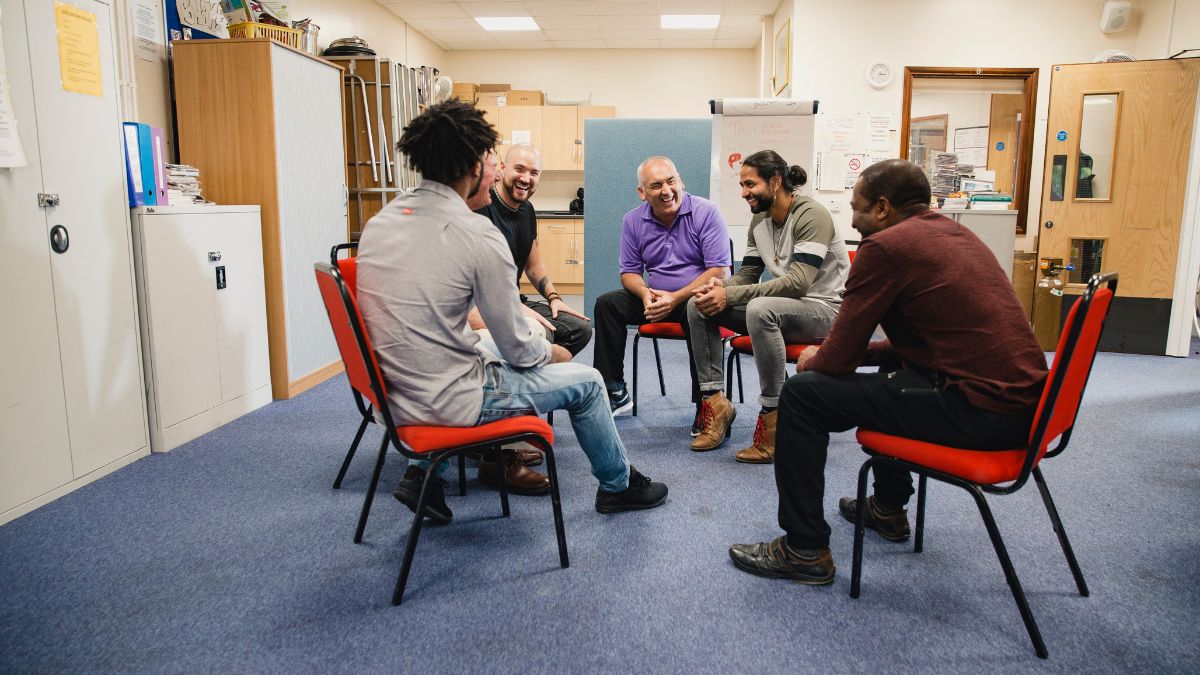
There isn't a single reason someone chooses recovery housing during outpatient treatment.
More often, it becomes the right fit because of what's happening in that person's life at the time.
- You're stepping down from residential treatment: The shift in routine and support is often why recovery feels harder after treatment ends, making recovery housing a valuable bridge while you continue attending PHP, IOP, or outpatient treatment.
- You've moved to Los Angeles for treatment: Relocating for care often means leaving behind familiar routines and support systems. Recovery housing provides a stable place to live while you focus on treatment and begin building new connections.
- You're balancing treatment with work or school: Managing appointments alongside professional or academic responsibilities can make recovery feel like one more thing to juggle.
- Home doesn't support your recovery: Returning to a place where alcohol or drugs are still present can make it harder to practice what you're learning in treatment.
- You're preparing for independent living: Some people simply want more time to build confidence before living completely on their own.
If you recognize yourself in one of these situations, it may be a sign that additional support could help you continue building on the progress you're already making. That's often how you know if sober living is the right move.
If one of these situations feels familiar, contact us to learn more about how recovery housing can complement your outpatient treatment.
How Can Sober Living Support Long-Term Recovery?
Long-term recovery is built through what happens after treatment hours and after treatment itself. Sober living gives residents time to practice handling those parts of life before they are managing them completely on their own.
That can mean learning how to:
- Maintain recovery without constant clinical supervision
- Recognize and respond to everyday triggers
- Build a life that supports sobriety
- Take responsibility for everyday decisions
- Stay connected to recovery after moving out
Research on recovery housing also suggests that its benefits can extend beyond simply providing a place to live. A 2025 systematic review found evidence of improvements in substance use, employment, and income among people in recovery housing.
What Should You Look for in a Sober Living Home?
Choosing recovery housing is about more than finding a place to stay.
The right environment should make it easier to continue treatment, build healthy routines, and move toward greater independence without adding unnecessary stress.
Does It Fit Your Treatment Schedule?
Consider how easily you can get to treatment, whether the daily routine fits your schedule, and if there's enough flexibility to balance work, school, or other responsibilities.
Does the House Encourage Growth?
Accountability should feel supportive rather than restrictive. A well-structured recovery home creates clear expectations while allowing residents to build confidence, take responsibility, and become more independent over time.
Who Will You Be Living With?
The people around you shape your experience just as much as the home itself. Living with others who are committed to recovery creates opportunities for encouragement, honest conversations, and shared accountability that continue outside of treatment sessions.
Will It Support Your Everyday Routine?
Small practical details often have the biggest impact. Commute times, house expectations, transportation, and the overall atmosphere all influence how manageable daily life feels while you're attending treatment.
Finding the right recovery environment is all about choosing a place that fits your recovery goals, supports your treatment schedule, and helps you continue building the life you're working toward.
Some residents also appreciate pet-friendly men's sober living, where caring for a pet can add routine, responsibility, and a sense of comfort while continuing treatment.
How Can Sober Living Help You Transition to Independent Living?
Sober living doesn't have to be the final destination. For many residents, it's a period of learning how to manage more of everyday life without returning to old patterns.
You may leave with a better understanding of how to structure your days, manage responsibilities, maintain recovery connections, and make decisions that support sobriety without the same level of oversight.
The transition can happen gradually.
You might first focus on treatment and establishing stability, then take on more work, financial, and personal responsibilities as you become ready.
Looking for Sober Living While Continuing Treatment?
If you're attending PHP, IOP, or outpatient treatment and need a more supportive place to live, Design for Recovery provides structured men's sober living in Los Angeles.
You can explore our homes, learn more about daily life, or speak with our admissions team to understand whether our community could fit into your recovery plans.
- Do You Need Sober Living While Attending Outpatient Treatment?
- How Recovery Housing and Outpatient Treatment Work Together
- Who Might Benefit From Sober Living During Outpatient Treatment?
- How Can Sober Living Support Long-Term Recovery?
- What Should You Look for in a Sober Living Home?
- How Can Sober Living Help You Transition to Independent Living?
Begin Lasting Sobriety Now!



Frequently Asked Questions
Yes. Recovery housing and IOP serve different purposes and can be used alongside each other.
It may be possible, depending on the PHP schedule and the recovery home's requirements. Before moving in, make sure the home's location, schedule, and expectations work with your treatment program.
Many recovery residences allow residents to work, although policies vary. Ask about employment requirements, schedules, and house expectations before choosing a home.
No. There is no universal requirement that someone live in sober housing after treatment. Whether it makes sense depends on factors such as your living environment, support system, recovery needs, and transition plans.
No. Sober living provides housing and recovery support, not clinical treatment. If you need ongoing treatment, it should continue alongside your living arrangement.
There isn't one standard length of stay. Recovery housing can be used for different periods depending on individual circumstances and the home's policies.
- Mericle, A. A., Slaymaker, V., Gliske, K., Ngo, Q., & Subbaraman, M. S. (2022). The role of recovery housing during outpatient substance use treatment. Journal of Substance Abuse Treatment, 133, Article 108638. https://pubmed.ncbi.nlm.nih.gov/34657785/
- Substance Abuse and Mental Health Services Administration. (2023). Best practices for recovery housing. U.S. Department of Health and Human Services. https://library.samhsa.gov/sites/default/files/best-practices-for-recovery-housing-pep23-10-00-002.pdf
- Vilsaint, C. L., Tansey, A. G., Hennessy, E. A., Eddie, D., Hoffman, L. A., & Kelly, J. F. (2025). Recovery housing for substance use disorder: A systematic review. Frontiers in Public Health, 13, Article 1506412. https://pubmed.ncbi.nlm.nih.gov/40115346



Written By
David Beasley